Baking powder and baking soda are not interchangeable, no matter how many recipes suggest they are with a dismissive "or use these amounts." They do fundamentally different things, and understanding the difference prevents failed batches and explains why a recipe works the way it does.
Baking Soda Is Not a Leavener
Let's start with baking soda, because it's simpler. Baking soda is sodium bicarbonate. By itself, it does nothing. It's inert. It won't make anything rise. What it does is neutralize acid. When baking soda encounters an acidic ingredient — buttermilk, yogurt, brown sugar, cocoa powder, lemon juice, or vinegar — it reacts immediately and releases carbon dioxide gas. That gas creates bubbles in the batter, which is why things rise.
The catch is immediate. The reaction starts as soon as baking soda touches acid. If you mix baking soda into a buttermilk batter and then let it sit for ten minutes before baking, most of the gas will have escaped. The batter will be flat by the time it hits the oven.
Baking soda is used in recipes where there's already acid in the ingredients. Brownies with cocoa. Cookies with brown sugar. Cakes with buttermilk. The acid is doing the work. Baking soda is just the chemical go-between that makes the acid release gas.
Baking Powder Is a Managed System
Baking powder is different. It's a mixture: baking soda plus one or more acids, plus a starch filler. The starch prevents the acid and base from reacting while the powder is dry. You can store it in a pantry for months without it doing anything.
When you add liquid to baking powder, the starch dissolves and the acid and base finally meet. They react immediately, releasing gas. This is single-acting baking powder, and it's less common now.
Double-acting baking powder — what you probably have in your pantry — contains two different acids. One reacts immediately when liquid is added, releasing some gas. The second acid only reacts when exposed to heat. This is why double-acting powder is more forgiving. If you mix a batter with double-acting baking powder and don't bake it immediately, the first gas release happens, but the second happens in the oven. You get some rise regardless.
Why Recipes Specify One or the Other
A recipe using baking soda needs acid in the ingredients. If there's no acid listed and the recipe calls for baking soda, something is missing or wrong. Check for brown sugar, buttermilk, cocoa, or any acidic component. That's the acid doing the work.
A recipe using baking powder can work without any other acid because the powder is self-contained. It's a complete leavening system. This is why baking powder is more common in recipes that don't include acidic ingredients. Soft Sugar Cookies and Dump Cake rely entirely on baking powder for rise because they don't have built-in acid.
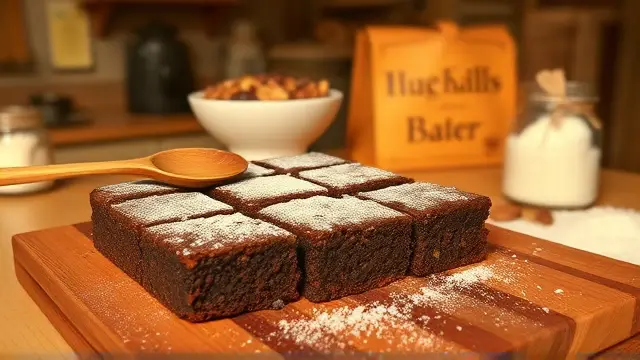
Some recipes use both baking soda and baking powder. This usually means the recipe has acid that needs neutralizing, and the baker also wants the extra lift that baking powder provides. Judy's Brownies use cocoa (acid) and baking soda (neutralizer), but no baking powder, because cocoa alone is enough. A chocolate cake might use both because it wants more rise than acid alone provides.
What Happens When You Swap Them
Substitute baking powder for baking soda in a recipe that calls for baking soda and you'll get an acid problem. The acid in the recipe will never get neutralized. The batter will taste soapy or bitter, especially if there's cocoa involved. The brownie will be chemical-tasting and unpleasant.
Substitute baking soda for baking powder and you'll get a density problem. Without the acid component in the baking powder, the soda won't have anything to react with. The batter will rise a little (from the initial gas release) but not enough. You'll end up with a dense, heavy cake instead of a tender one. And if the recipe has no acid, there's no reaction at all — the soda just sits there doing nothing.
A Practical Rule
Baking soda works in recipes with acid. Baking powder works in recipes without acid. If you're unsure, baking powder is safer because it's self-contained. But baking soda is cheaper and more effective when acid is present, so recipes use it when they can.
If you're adapting a recipe, respect the choice. If it calls for baking soda, there's acid somewhere in the ingredient list. If it calls for baking powder, acid was intentionally omitted. Switching one for the other doesn't cost much time, but it costs you the cake.
Storage Notes
Baking powder loses potency over time, especially if exposed to humidity. A tin that's been open for two years is half as effective as a fresh one. Baking soda is stable almost forever — it's essentially an inert mineral. If you have a baking soda tin from three years ago, it's fine. If you have baking powder from three years ago, consider replacing it.
The easiest test: mix a small amount of baking powder with hot water. It should fizz vigorously if it's good. If it barely bubbles, it's expired. Baking soda won't fizz in water alone, but it will fizz in vinegar. If it doesn't react, it's gone bad, though this is rare.