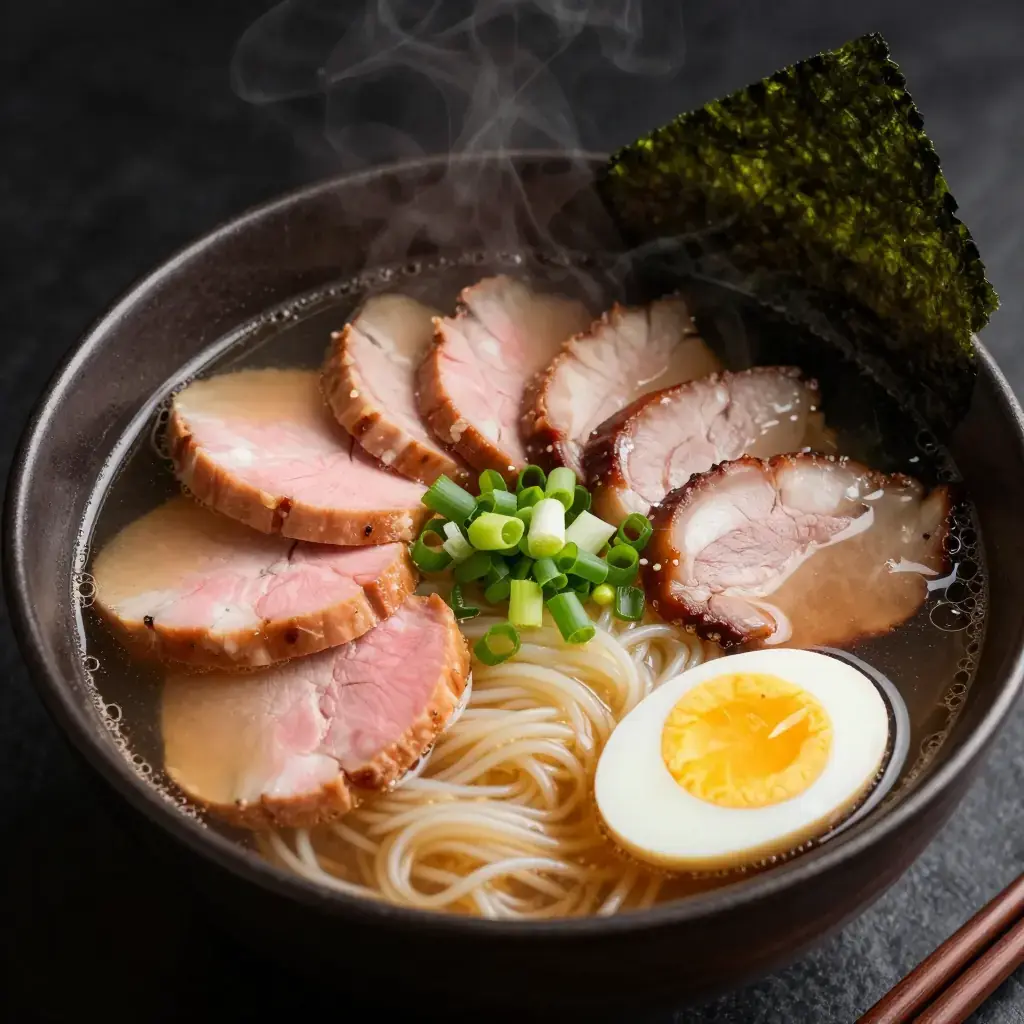
Saimin (Hawaiian Noodle Soup)
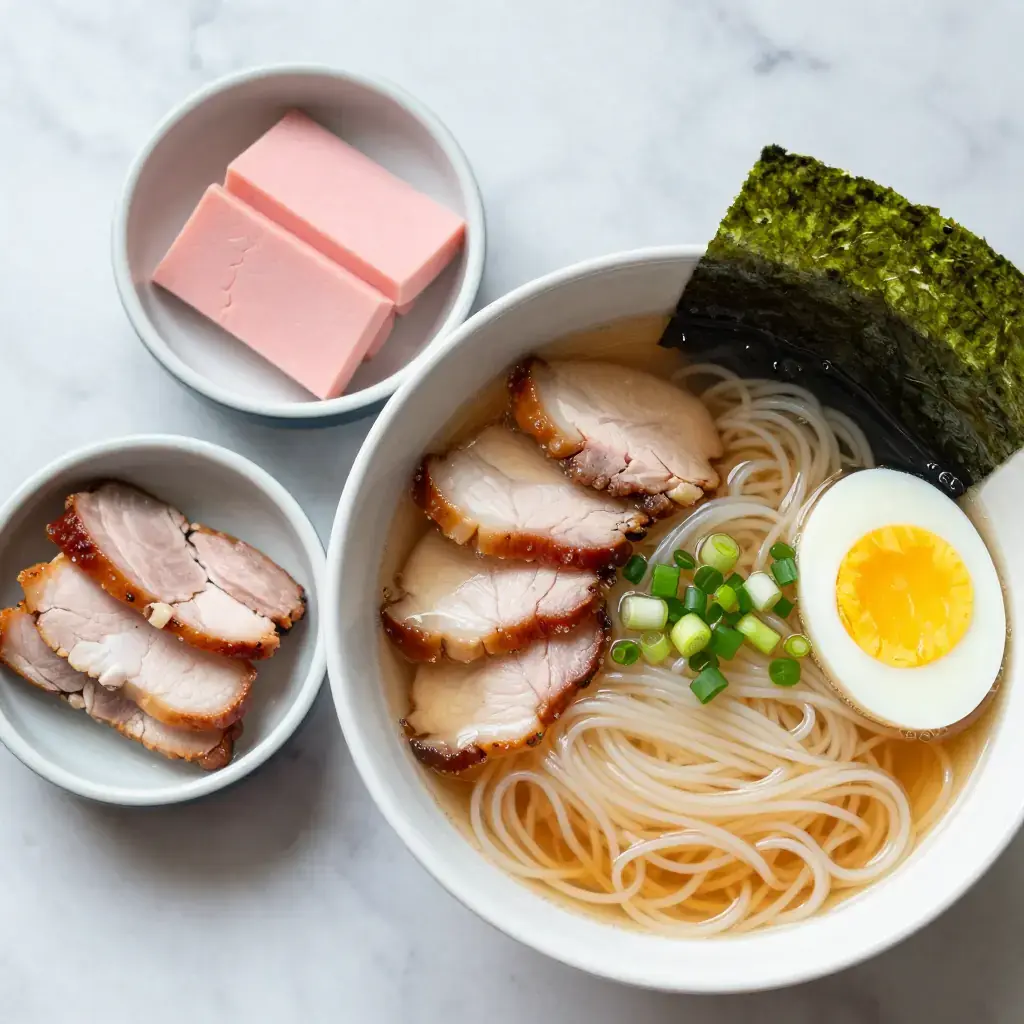
Saimin is Hawaii's signature noodle soup, born from the islands' multicultural plantation communities. Chinese mein noodles swim in a delicate dashi-based broth influenced by Japanese, Chinese, Filipino, and Korean traditions. Every diner and saimin stand has its own version, but the soul of the dish is always the same: a clear, umami-deep broth and springy wheat noodles topped with char siu pork, kamaboko fish cake, and green onion.
Serves: 4
Ingredients
Broth
- 1.5 liters (6 cups) water
- 20g (¾ oz) dried kombu
- 20g (¾ oz) katsuobushi (dried bonito flakes)
- 2 dried shrimp (optional, for depth)
- 2 tbsp (30ml) soy sauce
- 1 tbsp (15ml) oyster sauce
- 1 tsp salt, or to taste
Toppings and noodles
- 400g (14 oz) fresh saimin or fresh ramen noodles
- 115g (4 oz) char siu pork, sliced thin
- 4 slices kamaboko (fish cake)
- 2 eggs, soft-boiled and halved
- 4 stalks green onion, sliced thin
- 2 sheets nori, cut into rectangles
- Shoyu (soy sauce) and hot mustard, to serve
Instructions
- Combine water and kombu in a large pot. Bring slowly to just below a boil over medium heat, about 10 minutes. Remove kombu before it boils.
- Bring to a gentle boil, add katsuobushi and dried shrimp. Simmer 5 minutes, then strain through a fine-mesh sieve, pressing gently. Return clear dashi broth to the pot.
- Season broth with soy sauce, oyster sauce, and salt. Keep at a gentle simmer.
- Cook noodles in a separate pot of boiling unsalted water 2–3 minutes until tender but springy. Drain and divide among four bowls.
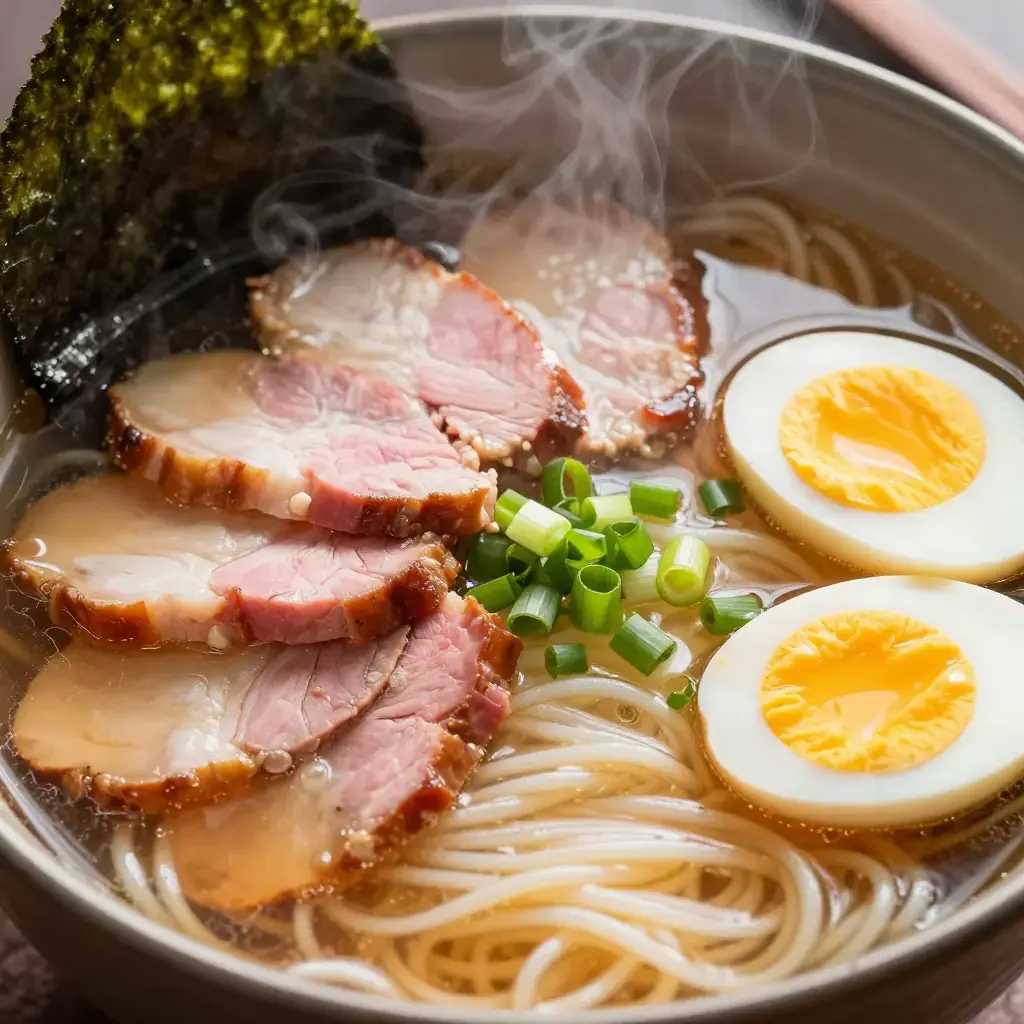
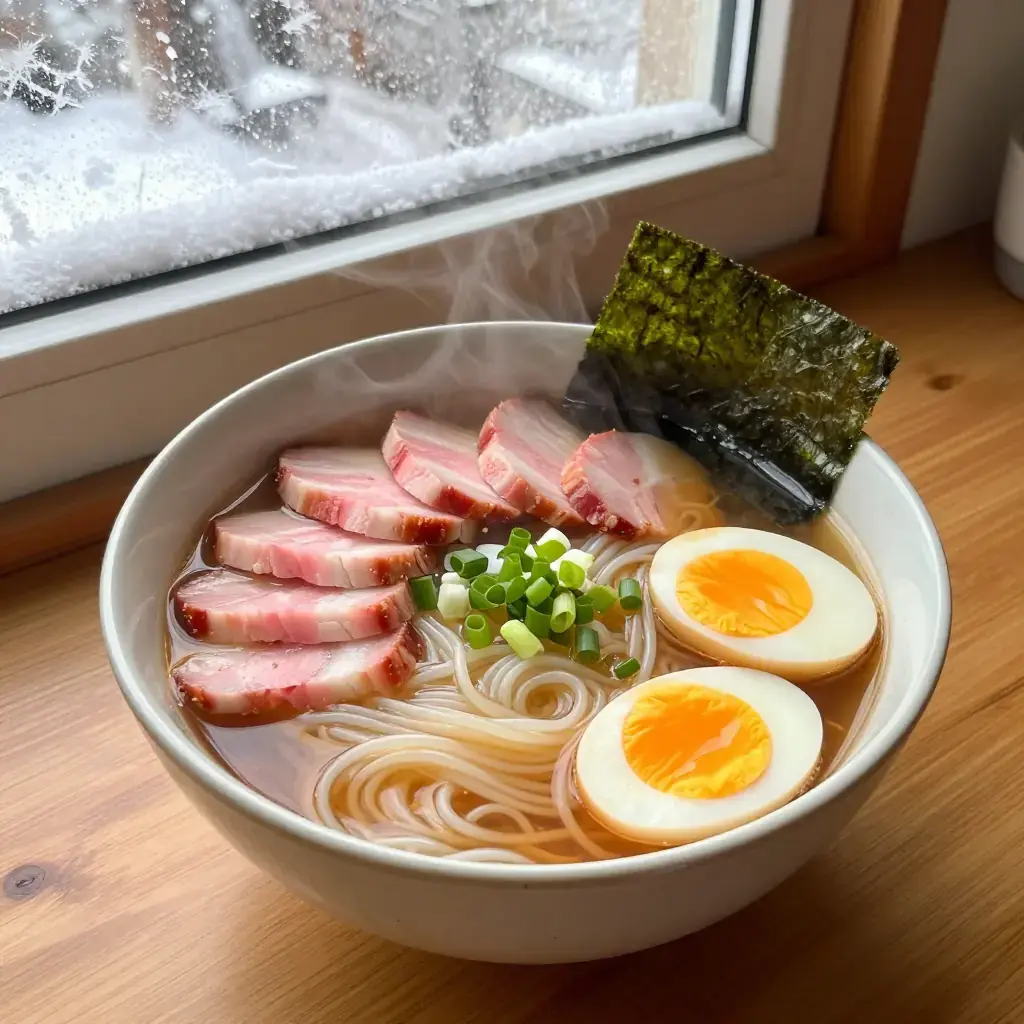
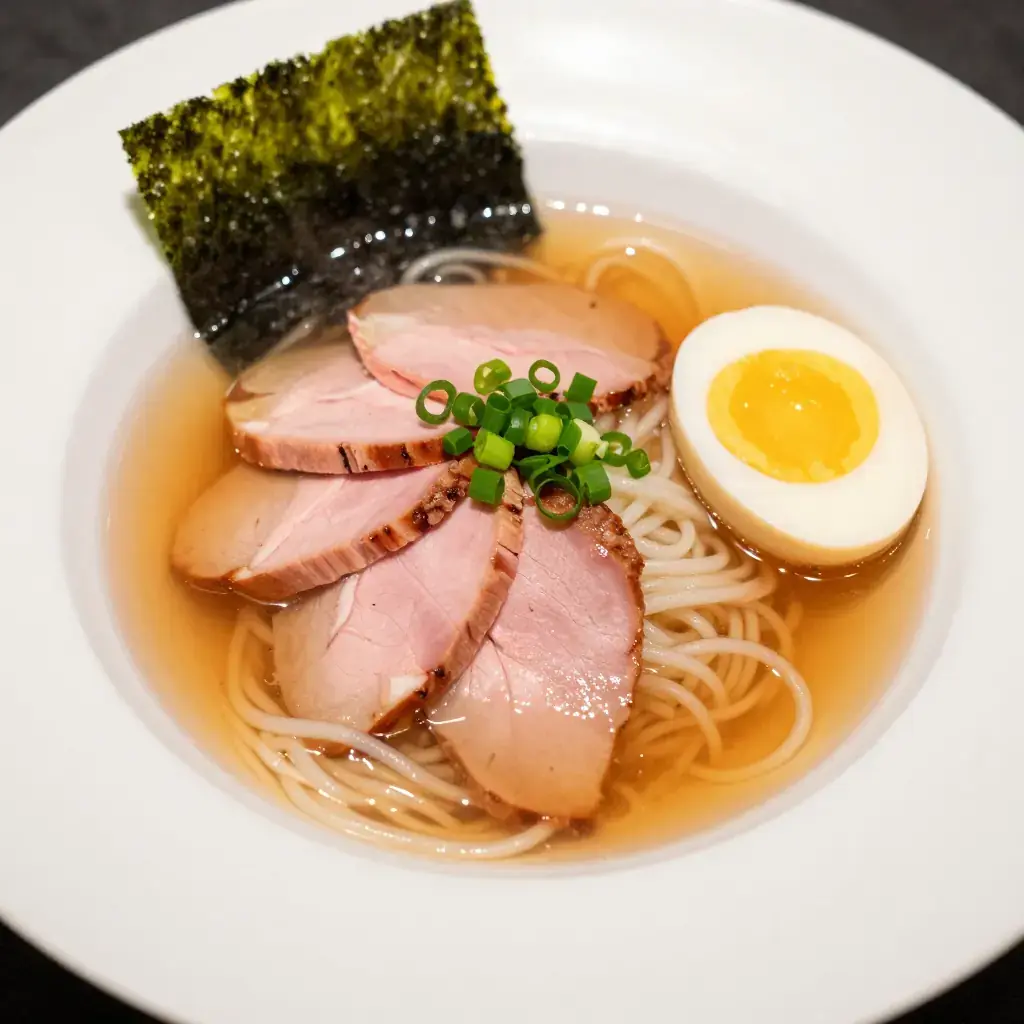
- Ladle hot broth over noodles. Arrange char siu, kamaboko, soft-boiled egg halves, and green onion on top. Tuck a piece of nori alongside.
- Serve immediately with soy sauce and a small dab of hot mustard on the side.
Cook's Notes: Fresh saimin noodles from Asian grocery stores give the best texture. In a pinch, substitute fresh ramen or yakisoba noodles. McDonald's in Hawaii serves saimin on its menu — a true sign of how deeply it's embedded in island culture.
All Revisions
generated
# Saimin (Hawaiian Noodle Soup) Saimin is Hawaii's signature noodle soup, born from the islands' multicultural plantation communities. Chinese mein noodles swim in a delicate dashi-based broth influenced by Japanese, Chinese, Filipino, and Korean traditions. Every diner and saimin stand has its own version, but the soul of the dish is always the same: a clear, umami-deep broth and springy wheat noodles topped with char siu pork, kamaboko fish cake, and green onion. Serves: 4 ## Ingredients **Broth** - 1.5 liters (6 cups) water - 20g (¾ oz) dried kombu - 20g (¾ oz) katsuobushi (dried bonito flakes) - 2 dried shrimp (optional, for depth) - 2 tbsp (30ml) soy sauce - 1 tbsp (15ml) oyster sauce - 1 tsp salt, or to taste **Toppings and noodles** - 400g (14 oz) fresh saimin or fresh ramen noodles - 115g (4 oz) char siu pork, sliced thin - 4 slices kamaboko (fish cake) - 2 eggs, soft-boiled and halved - 4 stalks green onion, sliced thin - 2 sheets nori, cut into rectangles - Shoyu (soy sauce) and hot mustard, to serve ## Instructions 1. Combine water and kombu in a large pot. Bring slowly to just below a boil over medium heat, about 10 minutes. Remove kombu before it boils. 2. Bring to a gentle boil, add katsuobushi and dried shrimp. Simmer 5 minutes, then strain through a fine-mesh sieve, pressing gently. Return clear dashi broth to the pot. 3. Season broth with soy sauce, oyster sauce, and salt. Keep at a gentle simmer. 4. Cook noodles in a separate pot of boiling unsalted water 2–3 minutes until tender but springy. Drain and divide among four bowls. 5. Ladle hot broth over noodles. Arrange char siu, kamaboko, soft-boiled egg halves, and green onion on top. Tuck a piece of nori alongside. 6. Serve immediately with soy sauce and a small dab of hot mustard on the side. **Cook's Notes:** Fresh saimin noodles from Asian grocery stores give the best texture. In a pinch, substitute fresh ramen or yakisoba noodles. McDonald's in Hawaii serves saimin on its menu — a true sign of how deeply it's embedded in island culture.Images
Tags
- american-hawaiian
- authentic
- comfort-food
- dinner
- hot-soup
- lunch
- noodles