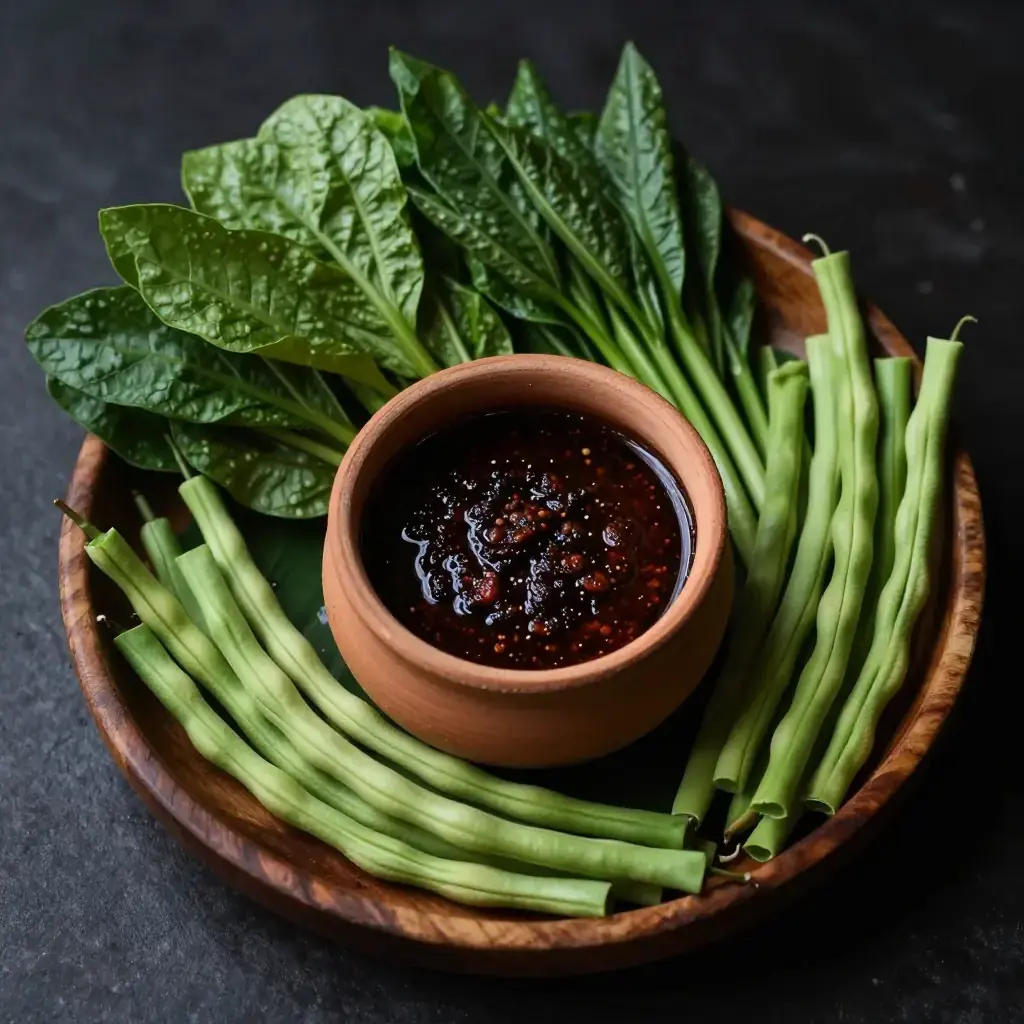
Nam Prik Pla Ra
Nam prik — Thailand's vast family of chilli dipping pastes — predates recorded Thai history, but the pla ra (fermented freshwater fish) version is among the most ancient, rooted in inland communities along the Mekong where salt-preserved fish provided year-round protein. It is still the centrepiece of Isan and central Thai home meals, served with an array of fresh, blanched, and fried vegetables for dipping.
Serves: 4
Ingredients
For the nam prik:
- 3 tbsp (45g) pla ra (fermented fish paste), strained of solids
- 5 cloves garlic, unpeeled
- 4 shallots, unpeeled
- 6-10 fresh red bird's eye chillies
- 2 tbsp (30ml) lime juice
- 1 tsp (4g) palm sugar
- 1 tbsp (15ml) fish sauce (to taste)
For the vegetable platter:
- 200g (7 oz) Thai eggplant (makua puang), quartered
- 150g (5 oz) long beans, blanched and cut into 8cm (3 inch) lengths
- 100g (3½ oz) fresh winged beans or green beans
- 1 small bitter melon, thinly sliced
- Cooked jasmine rice or sticky rice, to serve
Instructions
- Char the garlic and shallots directly over a gas flame or under a hot grill, turning occasionally, until the skins are blackened and the flesh is soft, 8-10 minutes. Allow to cool, then peel.
- In a mortar, pound the charred garlic, shallots, and chillies to a coarse paste, about 3 minutes.
- Add the pla ra and pound to incorporate.
- Season with lime juice, palm sugar, and fish sauce. The paste should be aggressively salty, sour, and spicy with a deep fermented backbone.
- Blanch the long beans and any other vegetables that benefit from brief cooking in boiling salted water for 2 minutes. Drain and refresh.
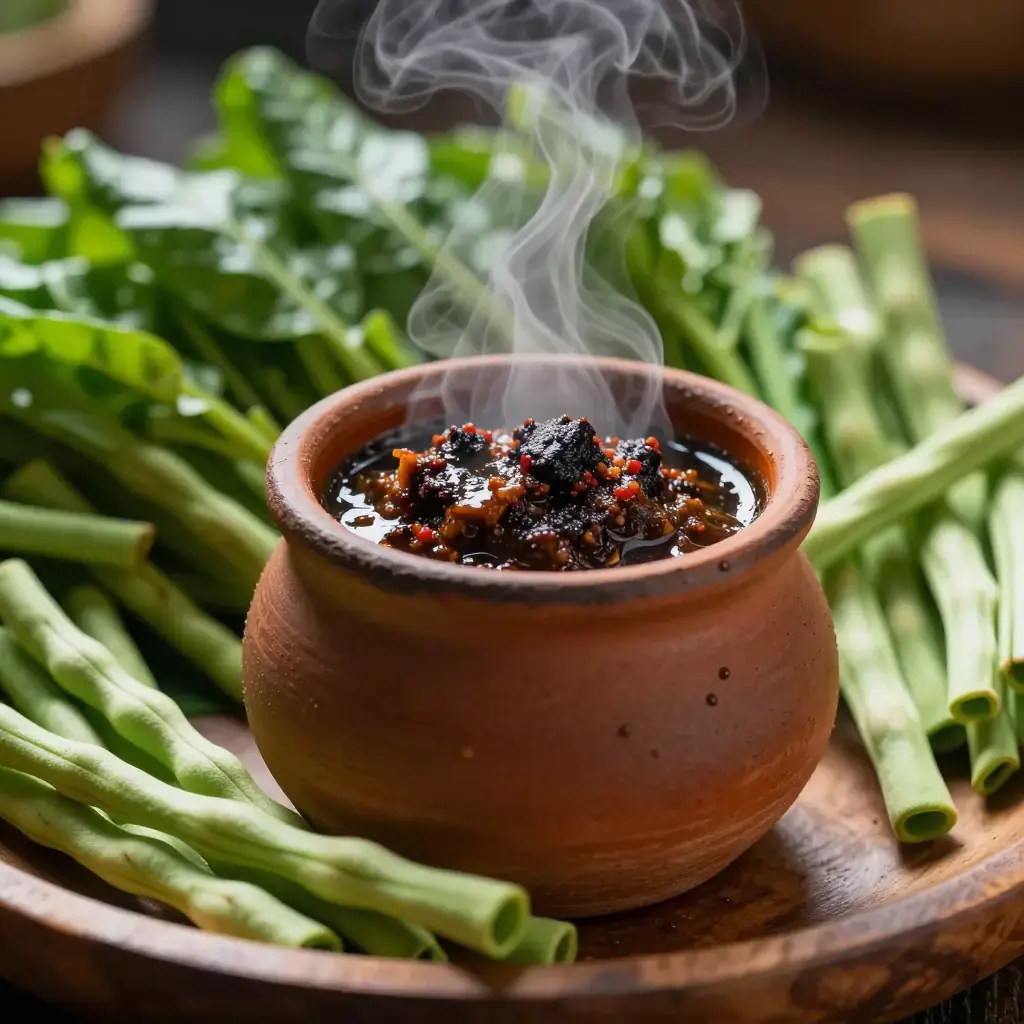
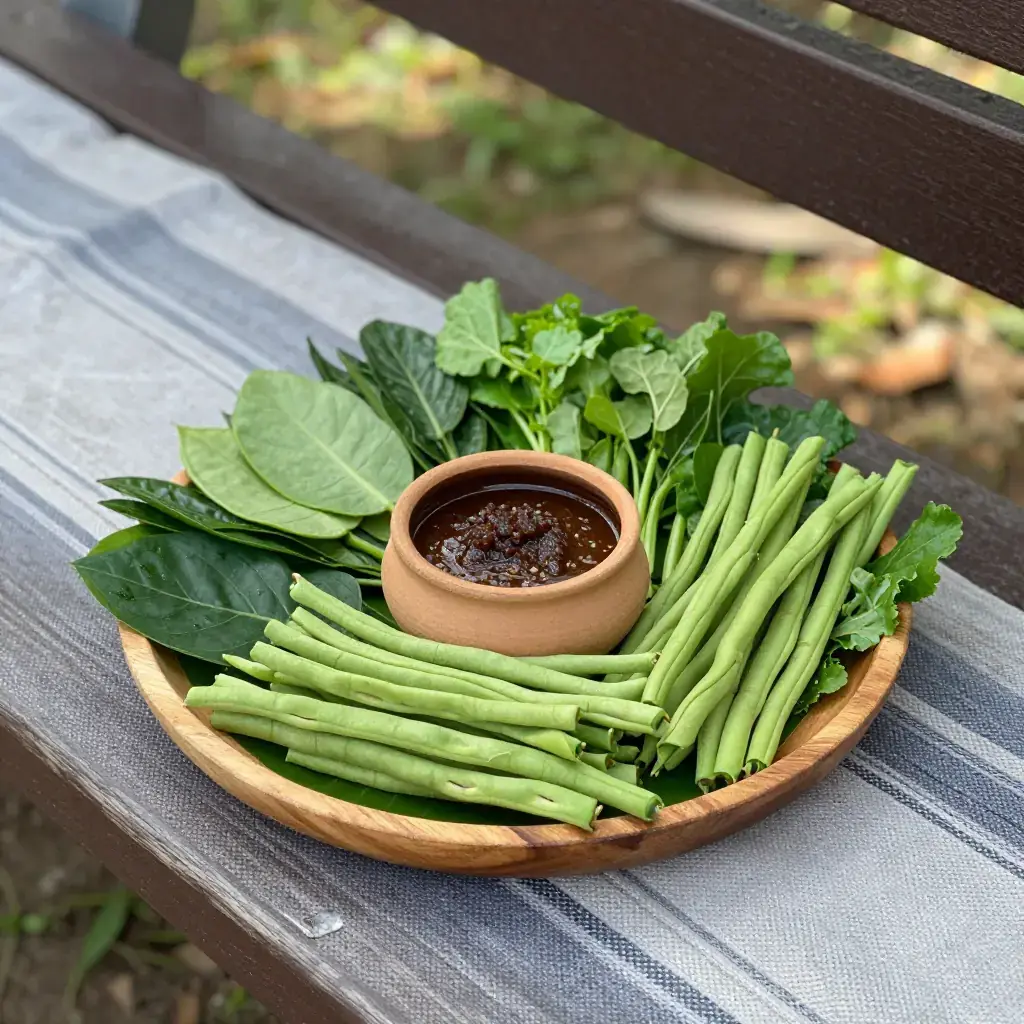
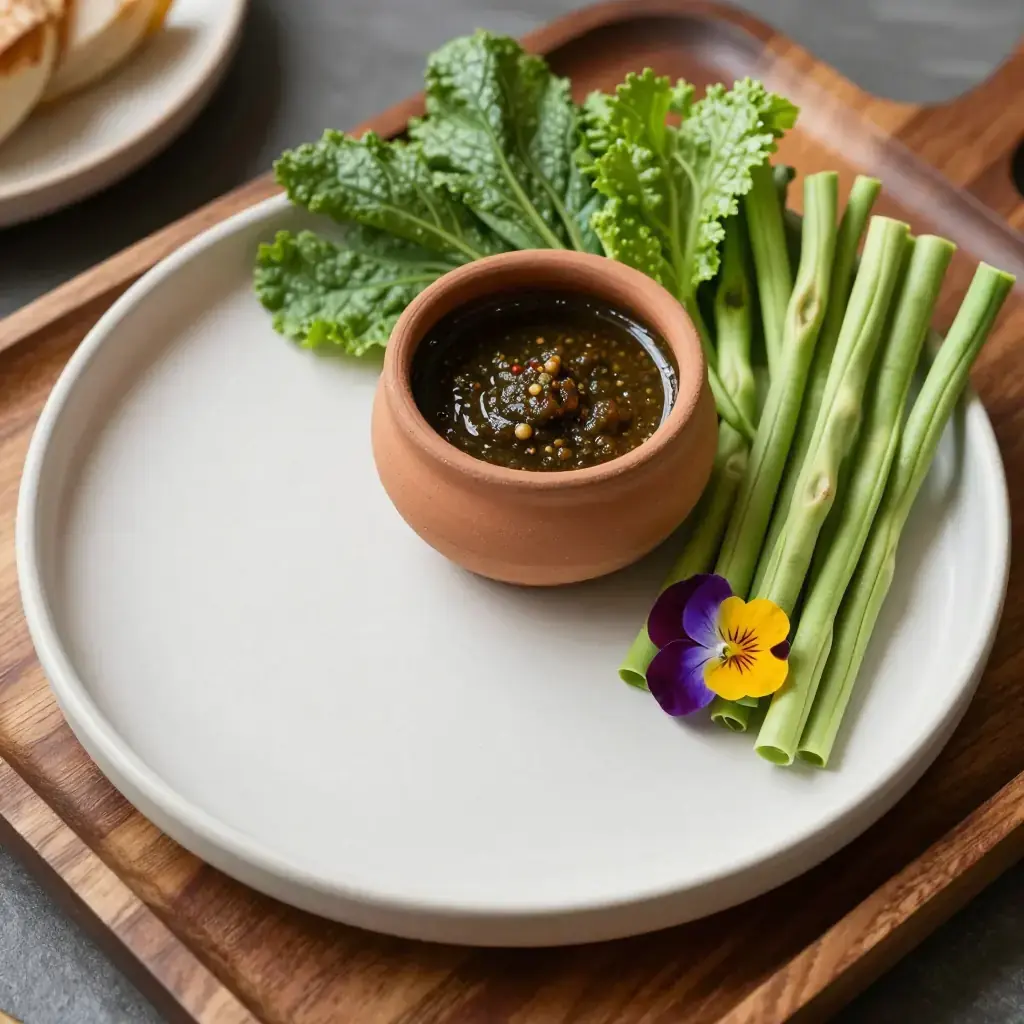
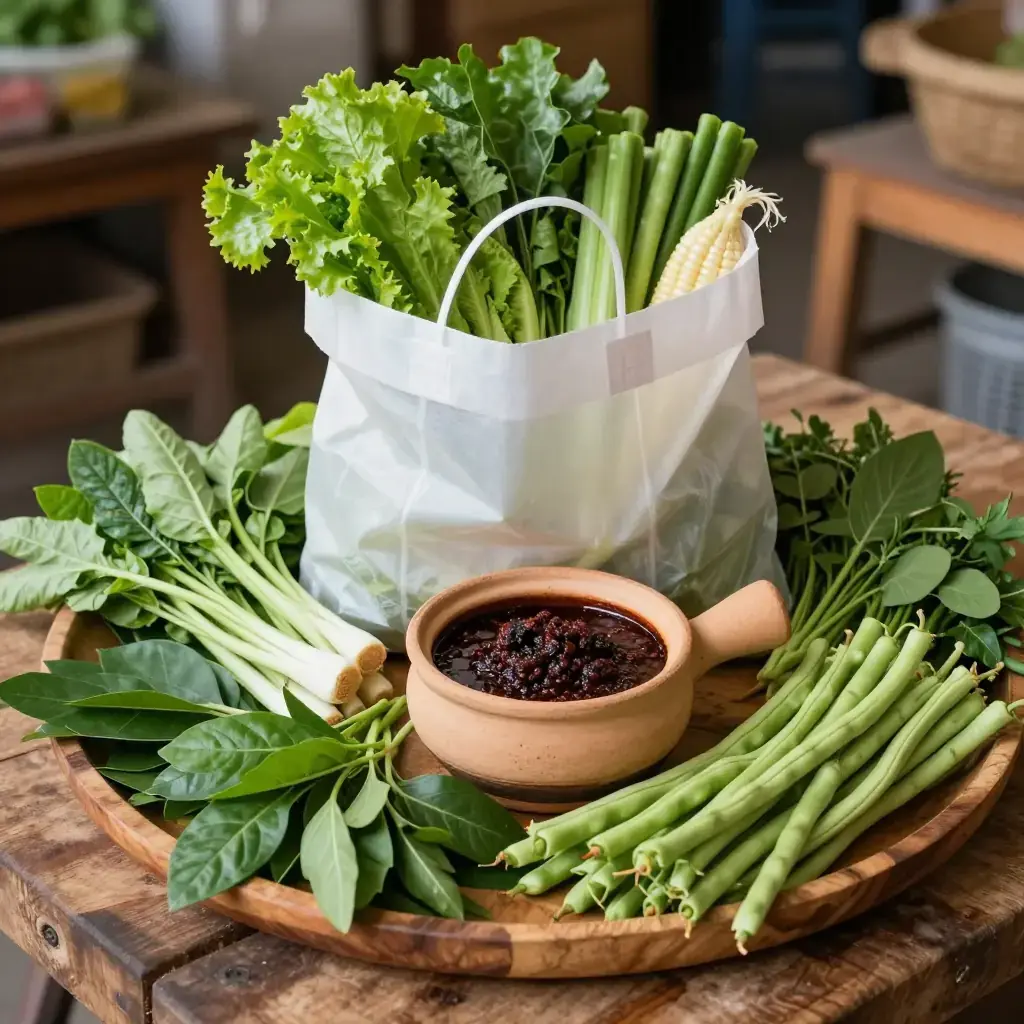
- Arrange the dip in a small bowl surrounded by the raw and blanched vegetables on a large plate. Serve with rice.
Cook's Notes: Pla ra is available at Southeast Asian grocery stores. The smell is very strong raw — it mellows considerably once the dip is assembled. Store leftover nam prik covered in the refrigerator for up to 3 days.
All Revisions
generated
# Nam Prik Pla Ra Nam prik — Thailand's vast family of chilli dipping pastes — predates recorded Thai history, but the pla ra (fermented freshwater fish) version is among the most ancient, rooted in inland communities along the Mekong where salt-preserved fish provided year-round protein. It is still the centrepiece of Isan and central Thai home meals, served with an array of fresh, blanched, and fried vegetables for dipping. Serves: 4 ## Ingredients **For the nam prik:** - 3 tbsp (45g) pla ra (fermented fish paste), strained of solids - 5 cloves garlic, unpeeled - 4 shallots, unpeeled - 6-10 fresh red bird's eye chillies - 2 tbsp (30ml) lime juice - 1 tsp (4g) palm sugar - 1 tbsp (15ml) fish sauce (to taste) **For the vegetable platter:** - 200g (7 oz) Thai eggplant (makua puang), quartered - 150g (5 oz) long beans, blanched and cut into 8cm (3 inch) lengths - 100g (3½ oz) fresh winged beans or green beans - 1 small bitter melon, thinly sliced - Cooked jasmine rice or sticky rice, to serve ## Instructions 1. Char the garlic and shallots directly over a gas flame or under a hot grill, turning occasionally, until the skins are blackened and the flesh is soft, 8-10 minutes. Allow to cool, then peel. 2. In a mortar, pound the charred garlic, shallots, and chillies to a coarse paste, about 3 minutes. 3. Add the pla ra and pound to incorporate. 4. Season with lime juice, palm sugar, and fish sauce. The paste should be aggressively salty, sour, and spicy with a deep fermented backbone. 5. Blanch the long beans and any other vegetables that benefit from brief cooking in boiling salted water for 2 minutes. Drain and refresh. 6. Arrange the dip in a small bowl surrounded by the raw and blanched vegetables on a large plate. Serve with rice. **Cook's Notes:** Pla ra is available at Southeast Asian grocery stores. The smell is very strong raw — it mellows considerably once the dip is assembled. Store leftover nam prik covered in the refrigerator for up to 3 days.Images
Tags
- authentic
- fermented
- healthy
- historical
- rice
- seafood
- snack
- thai