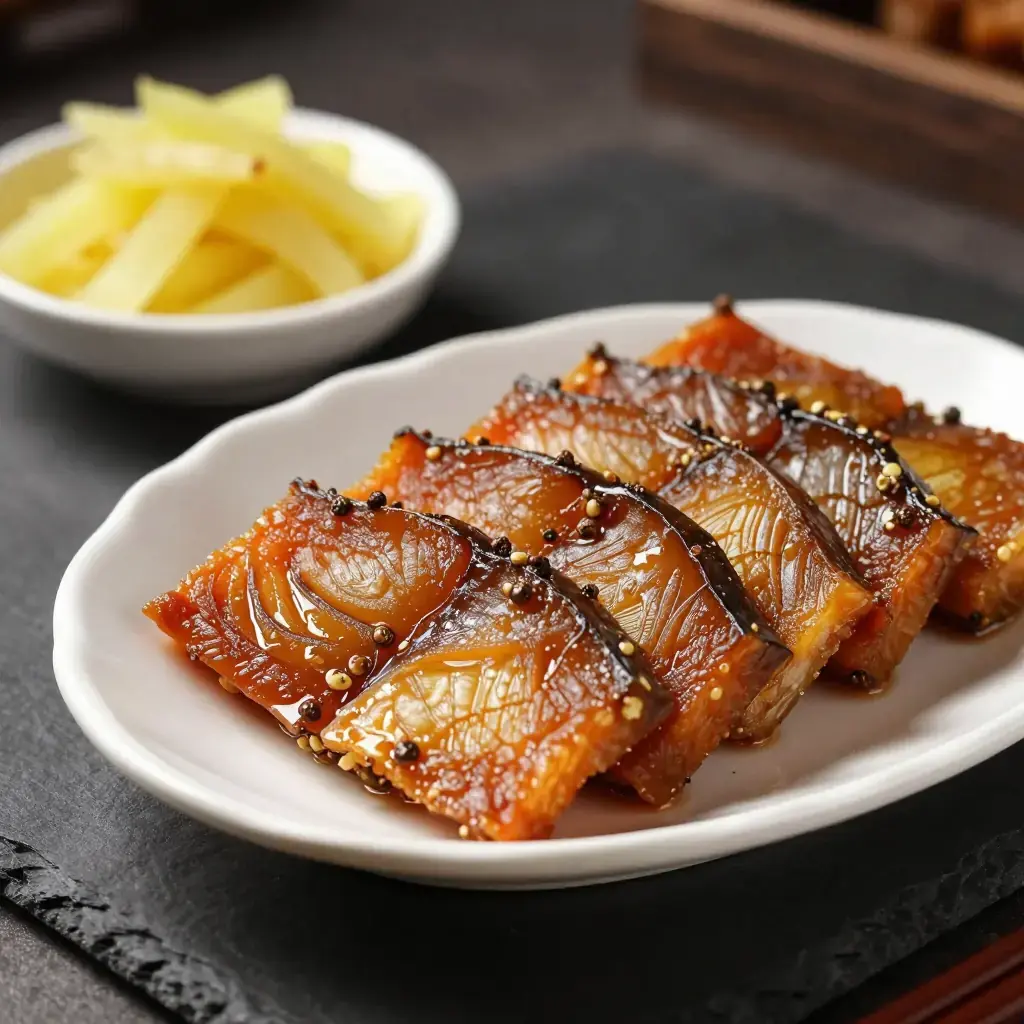
Yunnan Zao Yu (糟鱼)
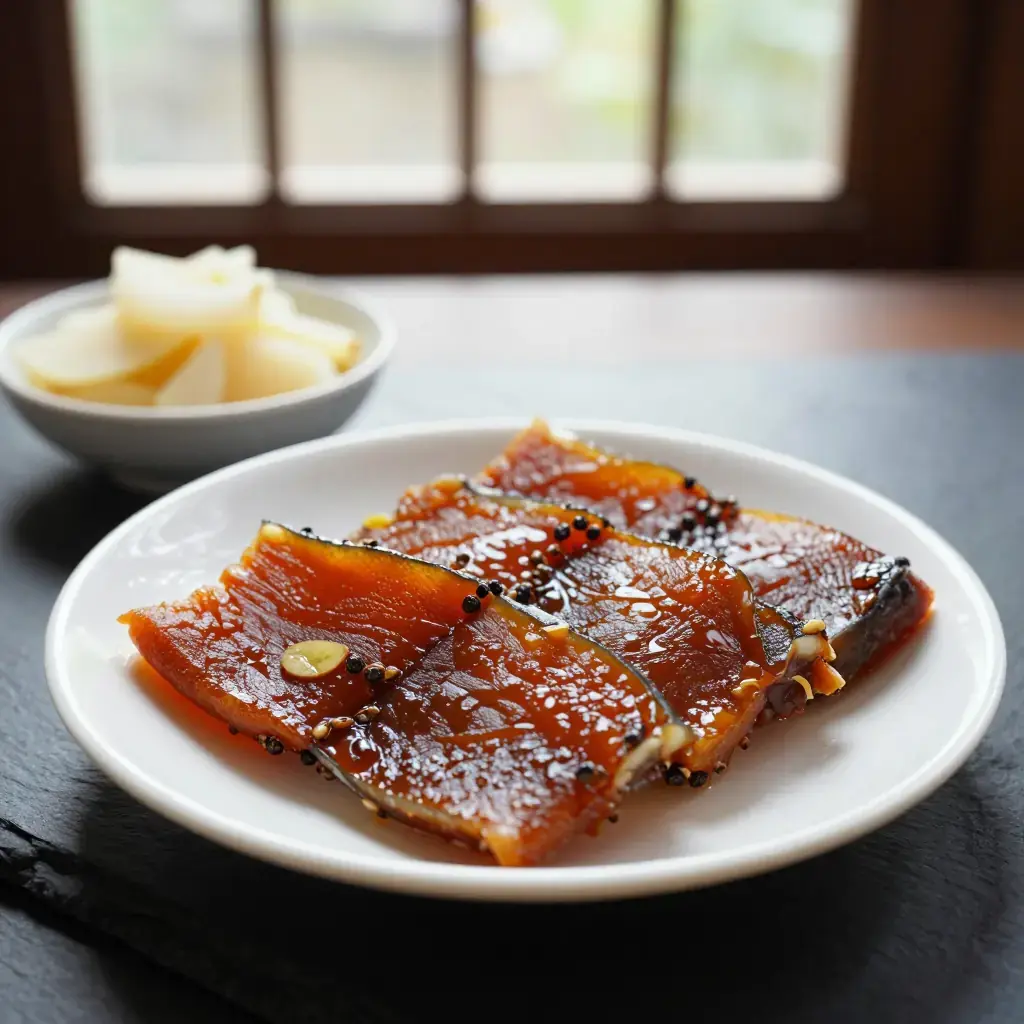
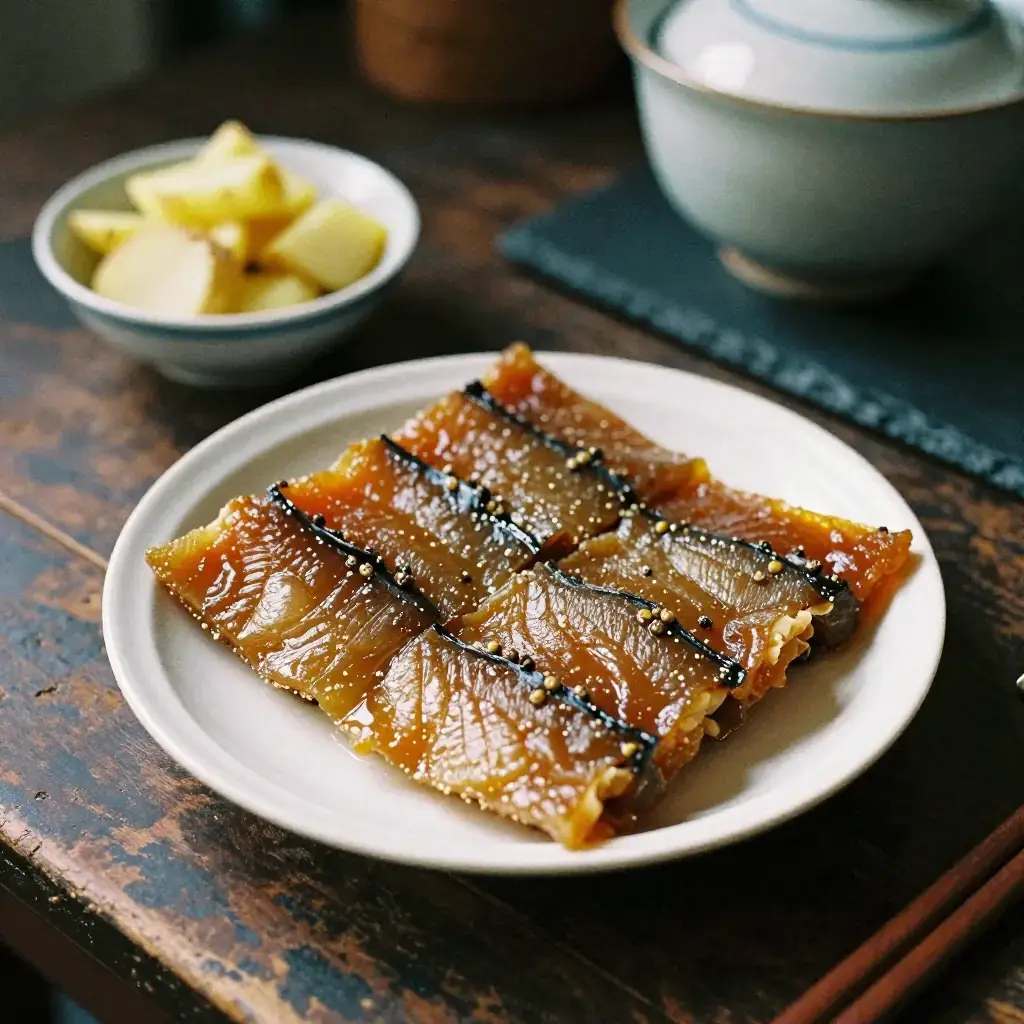
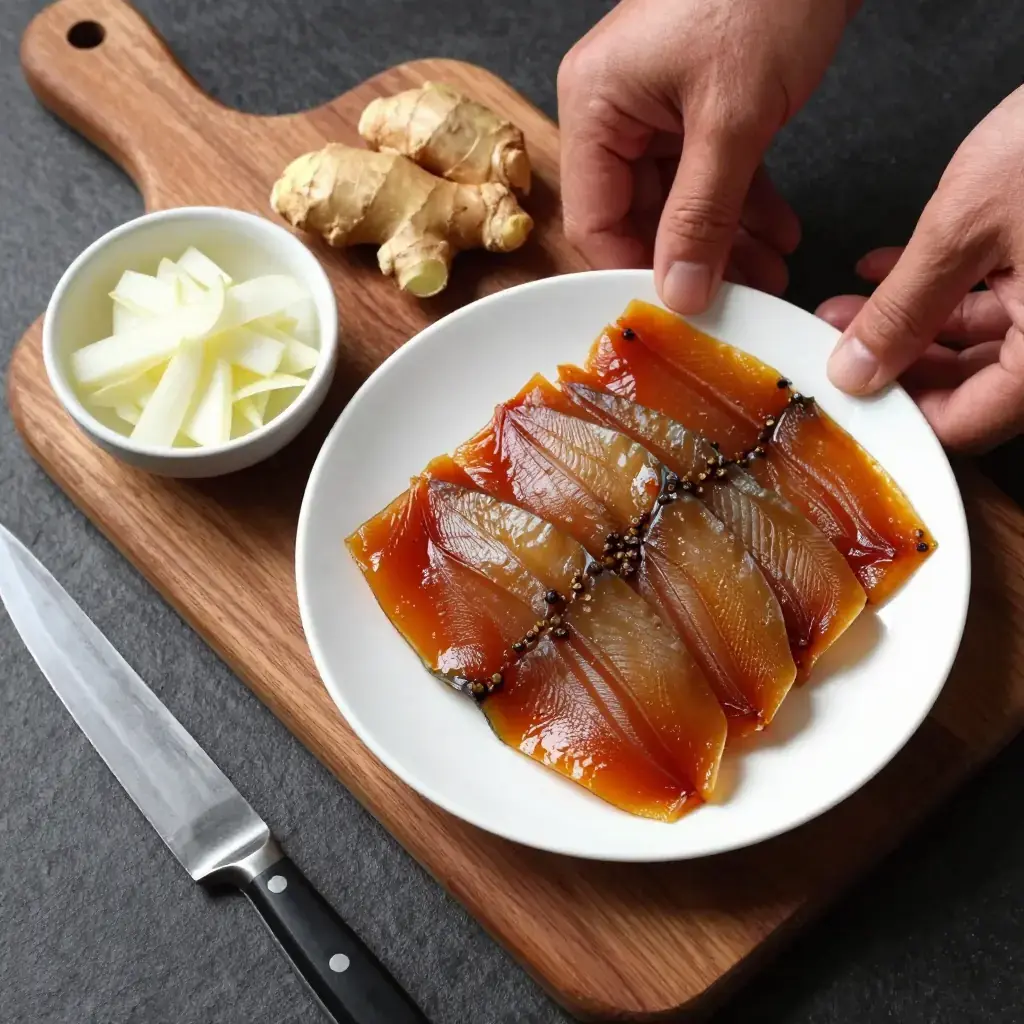
Zao Yu — fish cured in the aromatic lees of fermented glutinous rice — is a preservation technique shared across southern China, but Yunnan's version is distinguished by the use of local hong zao (red yeast rice lees) and whole Yunnan peppercorns, giving the finished fish a vivid amber-red hue and a complex, wine-laced flavour. The technique predates refrigeration and has been used by fishermen along Erhai Lake for at least 600 years. The cured fish can be eaten cold as an appetiser or pan-fried briefly and served warm.
Serves: 4
Ingredients
- 600g (1 lb 5 oz) firm white fish fillets (carp, tilapia or sea bass), scaled and cleaned
- 2 tsp (10g) salt
- 150g (5½ oz) hong zao (red yeast rice lees) or regular jiu zao (rice wine lees)
- 2 tbsp (30ml) baijiu or rice wine
- 1 tbsp (15g) sugar
- 1 tsp (5g) Yunnan peppercorns (or Sichuan peppercorns), lightly crushed
- 4 garlic cloves, minced
- 2 tbsp (30g) fresh ginger, grated
- 1 tsp (5g) five-spice powder
- 2 tbsp (30ml) vegetable oil (if pan-frying to serve)
Instructions
- Day 1 — salting: Score fish fillets with diagonal cuts 2cm apart, cutting to the bone. Rub both sides generously with salt. Place in a ceramic dish, cover and refrigerate overnight (12–16 hours).
- Day 2 — curing: Rinse fish under cold water to remove excess salt and pat very dry. Combine hong zao, baijiu, sugar, peppercorns, garlic, ginger and five-spice to a rough paste.
- Coat the fish fillets thickly on all sides with the zao paste, pressing into the scored cuts. Place in a clean ceramic jar or container, pack tightly, press a small weight on top, and seal.
- Cure at cool room temperature (15–18°C / 60–65°F) or in the refrigerator for 3–5 days, turning once on day 2.
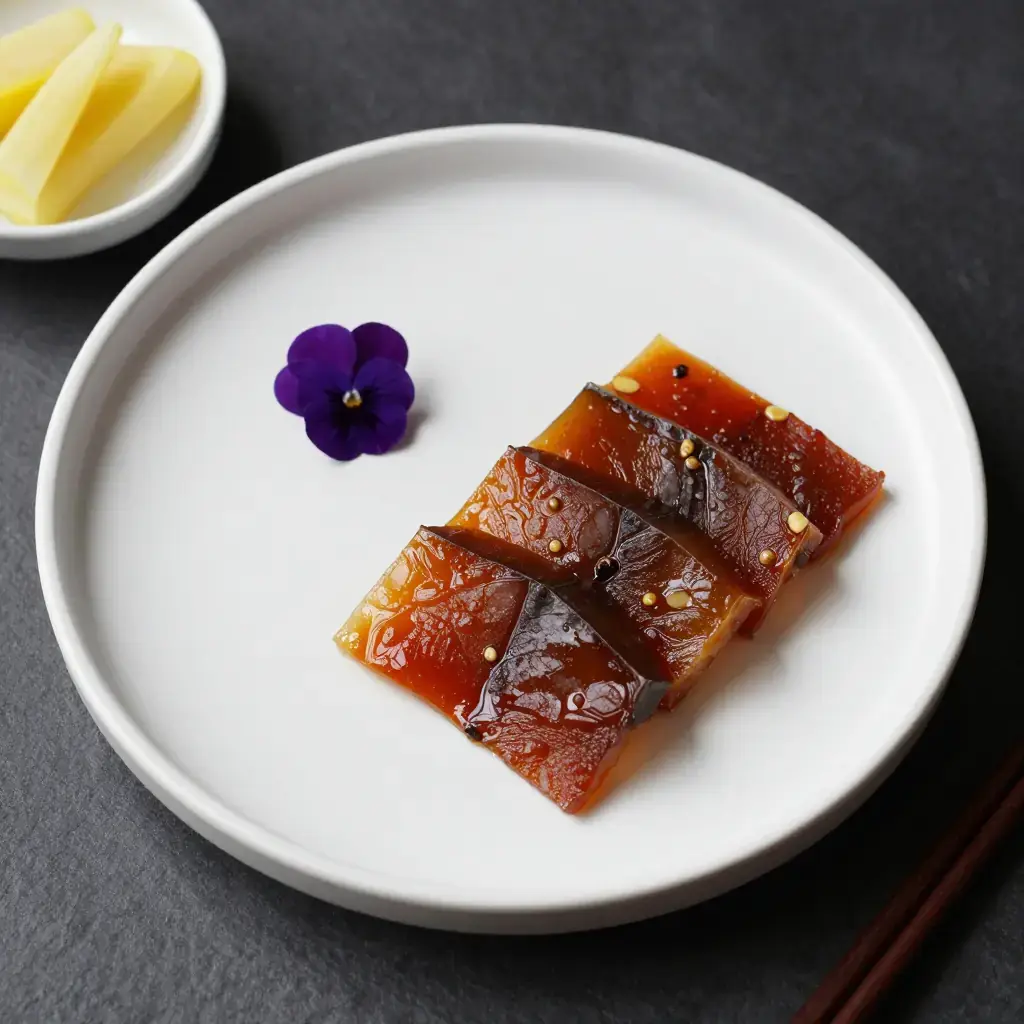
- To serve cold: Remove fish from lees, slice thin and arrange on a plate with pickled vegetables.
- To serve warm: Wipe off excess lees. Heat oil in a skillet over medium heat and pan-fry fillets 3–4 minutes per side until caramelised and cooked through. Serve with steamed rice.
Cook's Notes: The longer the cure (up to 7 days), the deeper the flavour and firmer the texture. Hong zao gives a beautiful crimson colour and mild sweetness; plain rice lees yield a more savoury result. This is an excellent party appetiser made days in advance.
All Revisions
generated
# Yunnan Zao Yu (糟鱼) Zao Yu — fish cured in the aromatic lees of fermented glutinous rice — is a preservation technique shared across southern China, but Yunnan's version is distinguished by the use of local hong zao (red yeast rice lees) and whole Yunnan peppercorns, giving the finished fish a vivid amber-red hue and a complex, wine-laced flavour. The technique predates refrigeration and has been used by fishermen along Erhai Lake for at least 600 years. The cured fish can be eaten cold as an appetiser or pan-fried briefly and served warm. Serves: 4 ## Ingredients - 600g (1 lb 5 oz) firm white fish fillets (carp, tilapia or sea bass), scaled and cleaned - 2 tsp (10g) salt - 150g (5½ oz) hong zao (red yeast rice lees) or regular jiu zao (rice wine lees) - 2 tbsp (30ml) baijiu or rice wine - 1 tbsp (15g) sugar - 1 tsp (5g) Yunnan peppercorns (or Sichuan peppercorns), lightly crushed - 4 garlic cloves, minced - 2 tbsp (30g) fresh ginger, grated - 1 tsp (5g) five-spice powder - 2 tbsp (30ml) vegetable oil (if pan-frying to serve) ## Instructions 1. **Day 1 — salting:** Score fish fillets with diagonal cuts 2cm apart, cutting to the bone. Rub both sides generously with salt. Place in a ceramic dish, cover and refrigerate overnight (12–16 hours). 2. **Day 2 — curing:** Rinse fish under cold water to remove excess salt and pat very dry. Combine hong zao, baijiu, sugar, peppercorns, garlic, ginger and five-spice to a rough paste. 3. Coat the fish fillets thickly on all sides with the zao paste, pressing into the scored cuts. Place in a clean ceramic jar or container, pack tightly, press a small weight on top, and seal. 4. Cure at cool room temperature (15–18°C / 60–65°F) or in the refrigerator for 3–5 days, turning once on day 2. 5. **To serve cold:** Remove fish from lees, slice thin and arrange on a plate with pickled vegetables. 6. **To serve warm:** Wipe off excess lees. Heat oil in a skillet over medium heat and pan-fry fillets 3–4 minutes per side until caramelised and cooked through. Serve with steamed rice. **Cook's Notes:** The longer the cure (up to 7 days), the deeper the flavour and firmer the texture. Hong zao gives a beautiful crimson colour and mild sweetness; plain rice lees yield a more savoury result. This is an excellent party appetiser made days in advance.Images
Tags
- authentic
- cold-dish
- fermented
- historical
- multi-day
- seafood
- yunnan