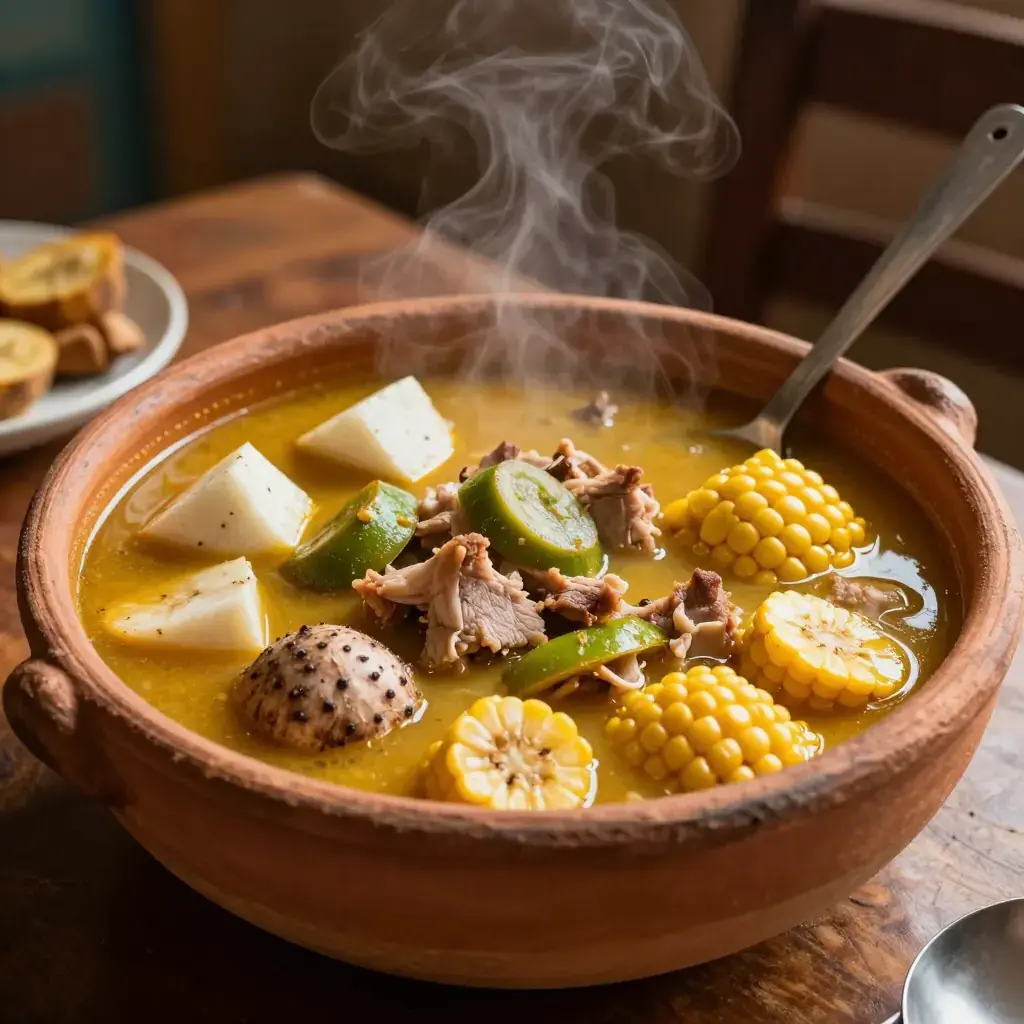
Ajiaco Cubano
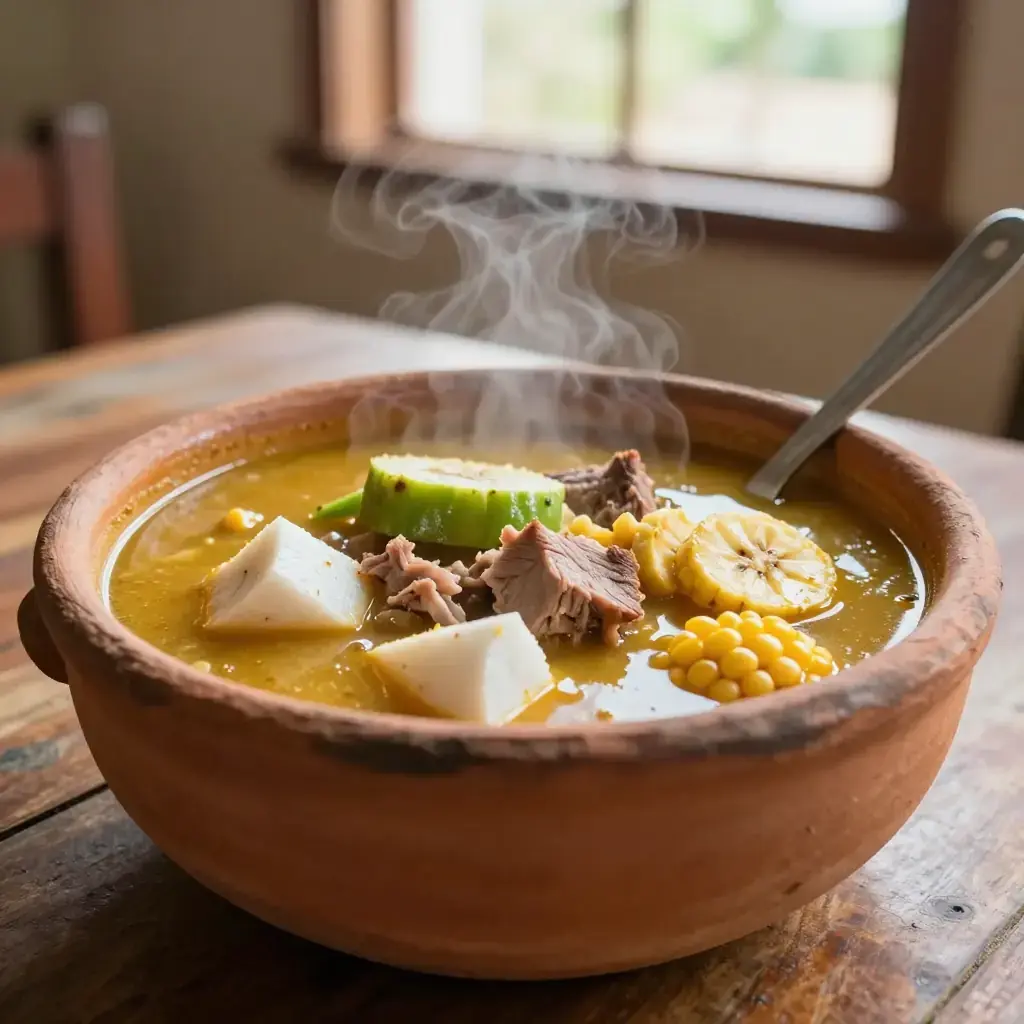
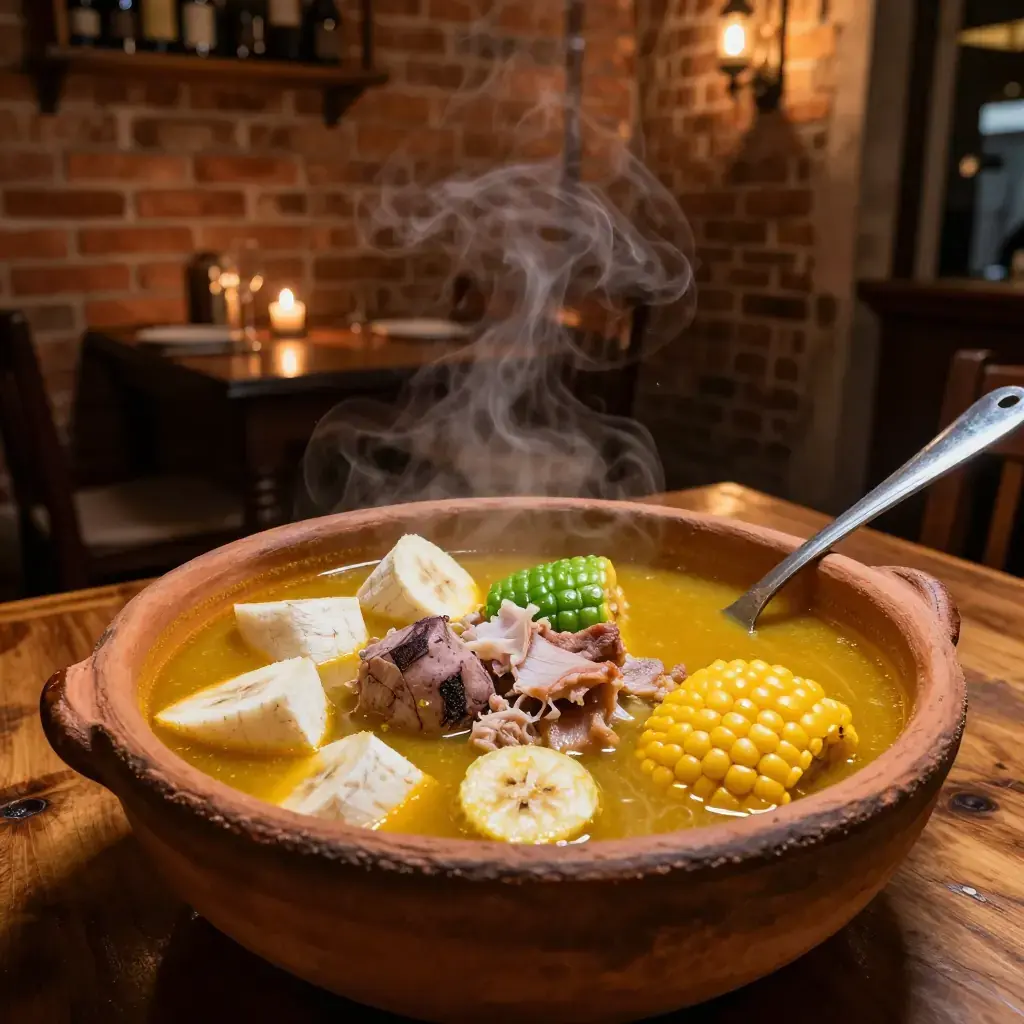
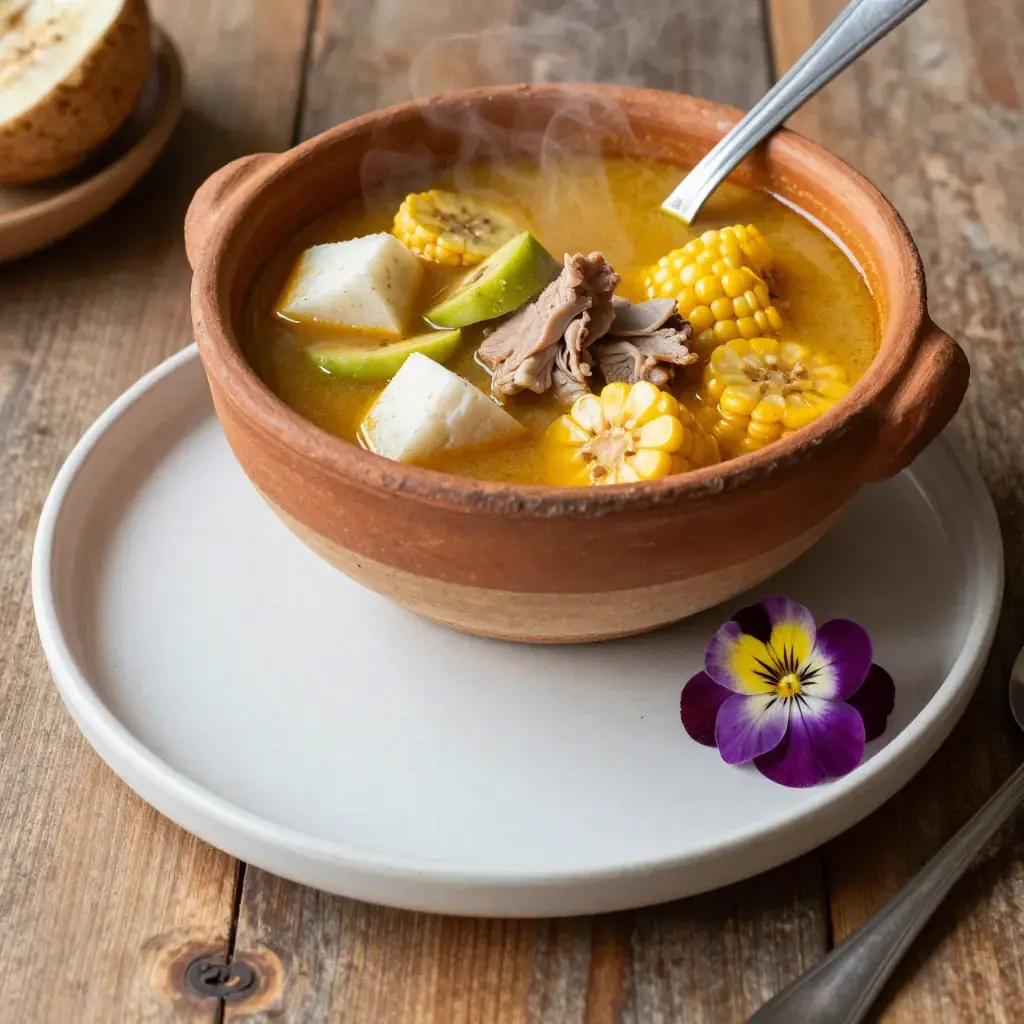
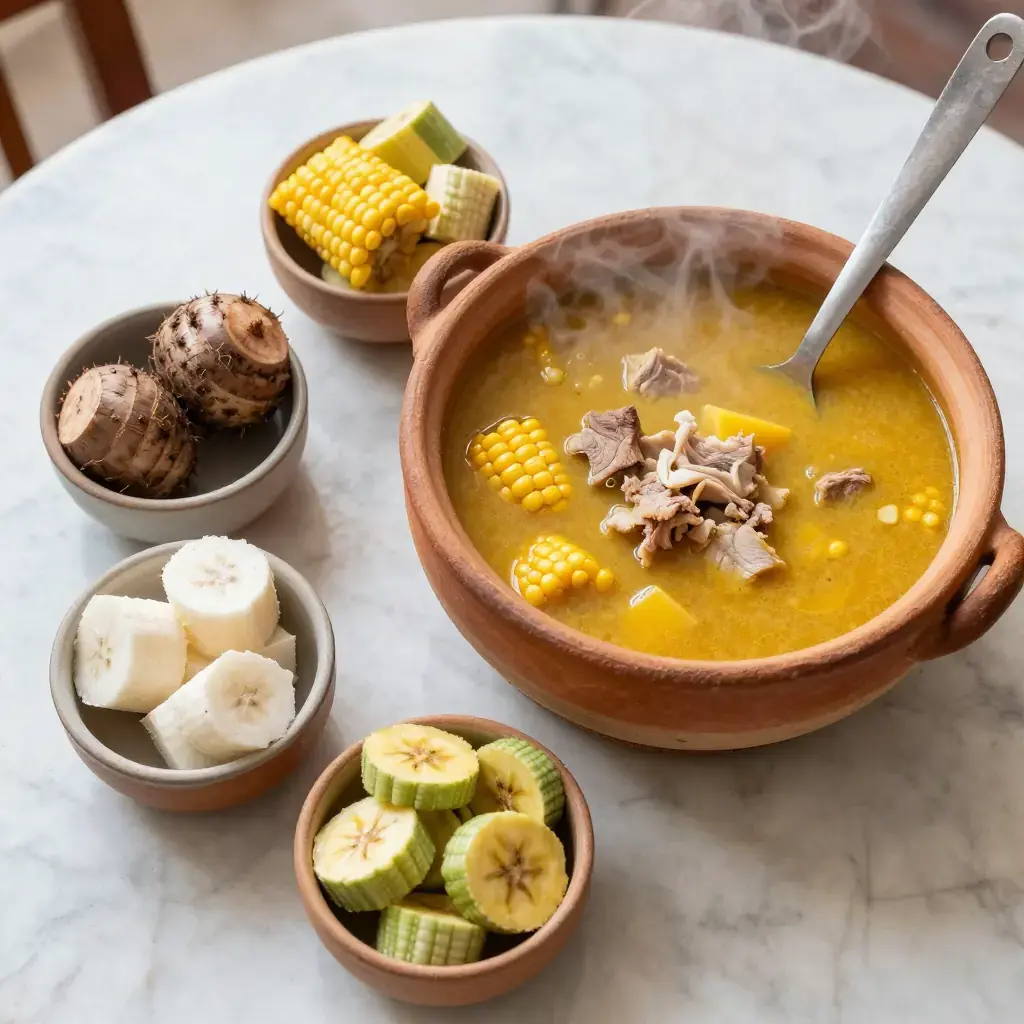
Ajiaco cubano is Cuba's national soup — a massive, nourishing one-pot stew of every root vegetable the island grows, slow-cooked with multiple cuts of pork until the viandas (starchy roots) dissolve into a thick, golden broth. It is the culinary expression of Cuba's multicultural heritage: the indigenous viandas, the African cooking technique of long, communal simmering, and the Spanish sofrito base. Every Cuban family has their own version, and it is the defining dish of the Cuban countryside.
Serves: 8
Ingredients
Meats
- 500g (1 lb) bone-in pork ribs, cut into portions
- 300g (10 oz) pork shoulder, cut into 5cm (2-inch) pieces
- 200g (7 oz) dried beef (tasajo) or beef short ribs
Viandas (Root Vegetables)
- 300g (10 oz) boniato (white sweet potato), peeled and chunked
- 300g (10 oz) malanga (taro root), peeled and chunked
- 200g (7 oz) ñame (white yam), peeled and chunked
- 200g (7 oz) yuca (cassava), peeled and chunked
- 2 ears of corn, cut into rounds
- 2 green plantains, peeled and cut into rounds
- 1 ripe plantain, peeled and cut into rounds
Sofrito and Seasoning
- 4 tbsp (60ml) olive oil or lard
- 1 large onion, finely diced
- 1 green bell pepper, finely diced
- 6 garlic cloves, minced
- 400g (14 oz) tin crushed tomatoes
- 1 tsp ground cumin
- 1 tsp dried oregano
- 1 tbsp (15ml) sour orange juice or lime juice
- Salt and black pepper to taste
- 2 litres (8 cups) water
Instructions
-
Soak dried beef (tasajo) in cold water overnight to reduce saltiness. Drain and rinse.
-
Place pork ribs, pork shoulder, and drained tasajo in a large slow cooker or stockpot. Add 2 litres water and bring to a boil, skimming foam. Season lightly.
-
For slow cooker: add all viandas and cook on LOW 6-8 hours until the harder roots are just tender. For stovetop: simmer covered 1.5 hours, then add viandas and cook a further 45-60 minutes.
-
Make sofrito: heat oil in a frying pan over medium heat. Cook onion and pepper 10 minutes until soft. Add garlic and cook 2 minutes. Add crushed tomatoes, cumin, and oregano; cook 8-10 minutes until the tomato has reduced and the sofrito is fragrant.
-
Stir the sofrito into the ajiaco along with sour orange juice. Some of the softer viandas (boniato, malanga) will begin to dissolve, naturally thickening the broth — this is desirable.
-
Taste and adjust salt generously. The ajiaco should be thick and deeply savoury, not a clear broth.
Cook's Notes: Authentic ajiaco requires a combination of different root vegetables — do not reduce the variety. Malanga and boniato are the thickening agents; without them the soup will be thin. Tasajo (dried salted beef) is available at Cuban and Latin grocery shops; beef short ribs are an acceptable substitute.
All Revisions
generated
# Ajiaco Cubano Ajiaco cubano is Cuba's national soup — a massive, nourishing one-pot stew of every root vegetable the island grows, slow-cooked with multiple cuts of pork until the viandas (starchy roots) dissolve into a thick, golden broth. It is the culinary expression of Cuba's multicultural heritage: the indigenous viandas, the African cooking technique of long, communal simmering, and the Spanish sofrito base. Every Cuban family has their own version, and it is the defining dish of the Cuban countryside. Serves: 8 ## Ingredients **Meats** - 500g (1 lb) bone-in pork ribs, cut into portions - 300g (10 oz) pork shoulder, cut into 5cm (2-inch) pieces - 200g (7 oz) dried beef (tasajo) or beef short ribs **Viandas (Root Vegetables)** - 300g (10 oz) boniato (white sweet potato), peeled and chunked - 300g (10 oz) malanga (taro root), peeled and chunked - 200g (7 oz) ñame (white yam), peeled and chunked - 200g (7 oz) yuca (cassava), peeled and chunked - 2 ears of corn, cut into rounds - 2 green plantains, peeled and cut into rounds - 1 ripe plantain, peeled and cut into rounds **Sofrito and Seasoning** - 4 tbsp (60ml) olive oil or lard - 1 large onion, finely diced - 1 green bell pepper, finely diced - 6 garlic cloves, minced - 400g (14 oz) tin crushed tomatoes - 1 tsp ground cumin - 1 tsp dried oregano - 1 tbsp (15ml) sour orange juice or lime juice - Salt and black pepper to taste - 2 litres (8 cups) water ## Instructions 1. Soak dried beef (tasajo) in cold water overnight to reduce saltiness. Drain and rinse. 2. Place pork ribs, pork shoulder, and drained tasajo in a large slow cooker or stockpot. Add 2 litres water and bring to a boil, skimming foam. Season lightly. 3. For slow cooker: add all viandas and cook on LOW 6-8 hours until the harder roots are just tender. For stovetop: simmer covered 1.5 hours, then add viandas and cook a further 45-60 minutes. 4. Make sofrito: heat oil in a frying pan over medium heat. Cook onion and pepper 10 minutes until soft. Add garlic and cook 2 minutes. Add crushed tomatoes, cumin, and oregano; cook 8-10 minutes until the tomato has reduced and the sofrito is fragrant. 5. Stir the sofrito into the ajiaco along with sour orange juice. Some of the softer viandas (boniato, malanga) will begin to dissolve, naturally thickening the broth — this is desirable. 6. Taste and adjust salt generously. The ajiaco should be thick and deeply savoury, not a clear broth. **Cook's Notes:** Authentic ajiaco requires a combination of different root vegetables — do not reduce the variety. Malanga and boniato are the thickening agents; without them the soup will be thin. Tasajo (dried salted beef) is available at Cuban and Latin grocery shops; beef short ribs are an acceptable substitute.Images
Tags
- authentic
- comfort-food
- cuban
- hot-soup
- one-pot
- potluck
- root-vegetables
- slow-cooker