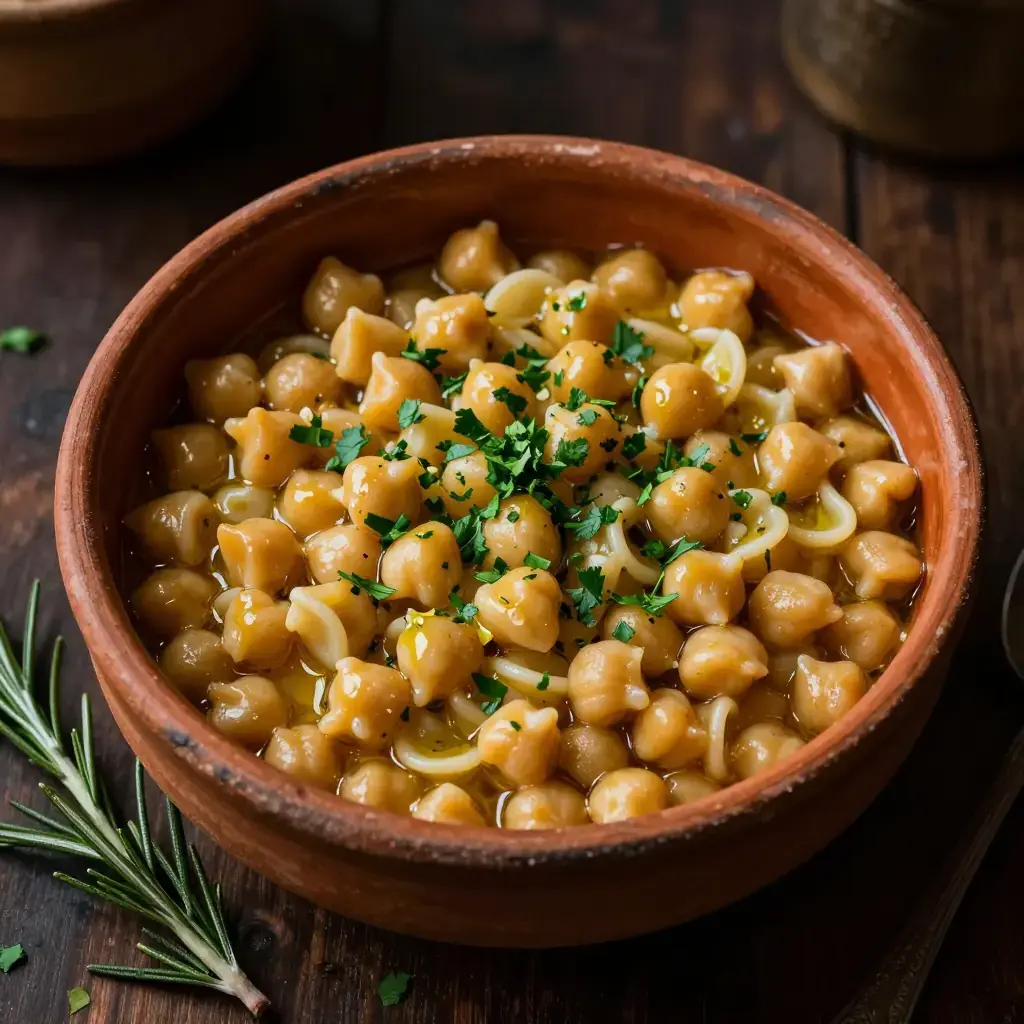
Pasta e Ceci
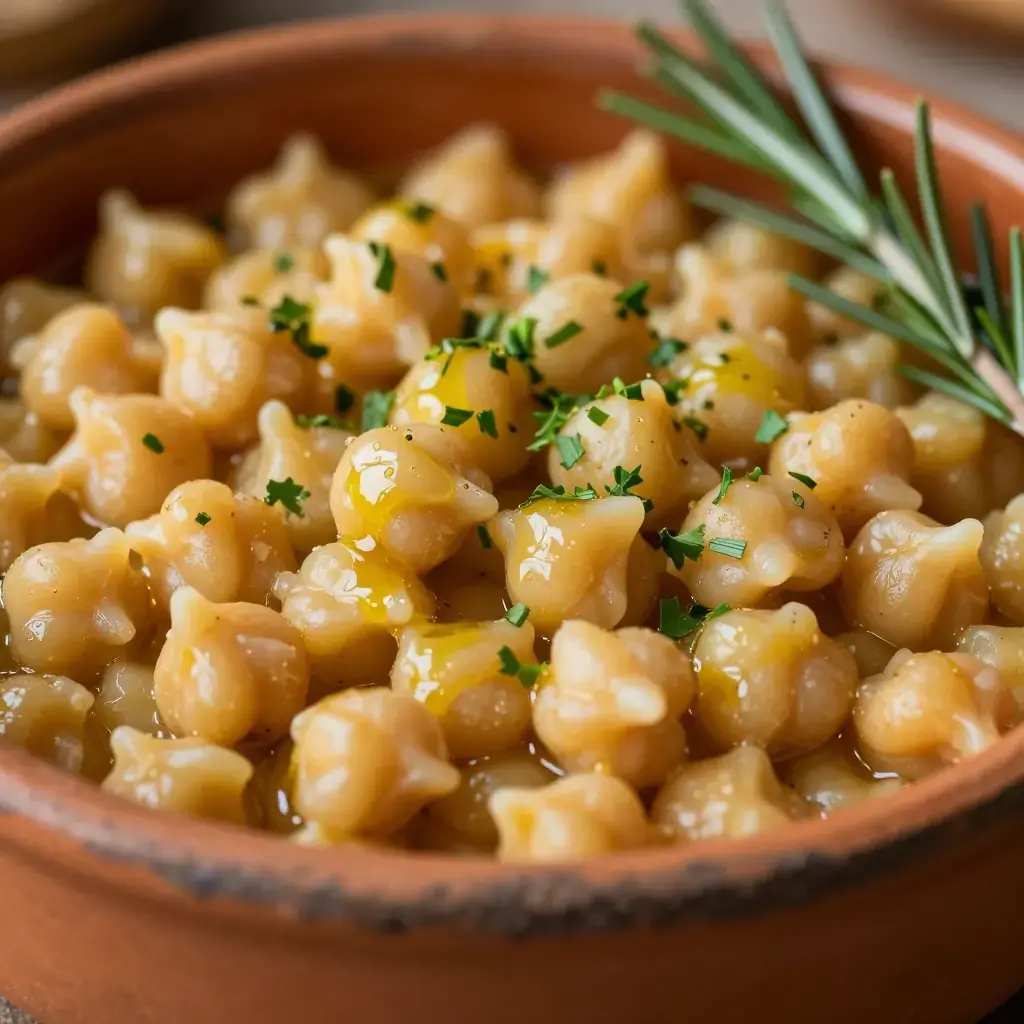
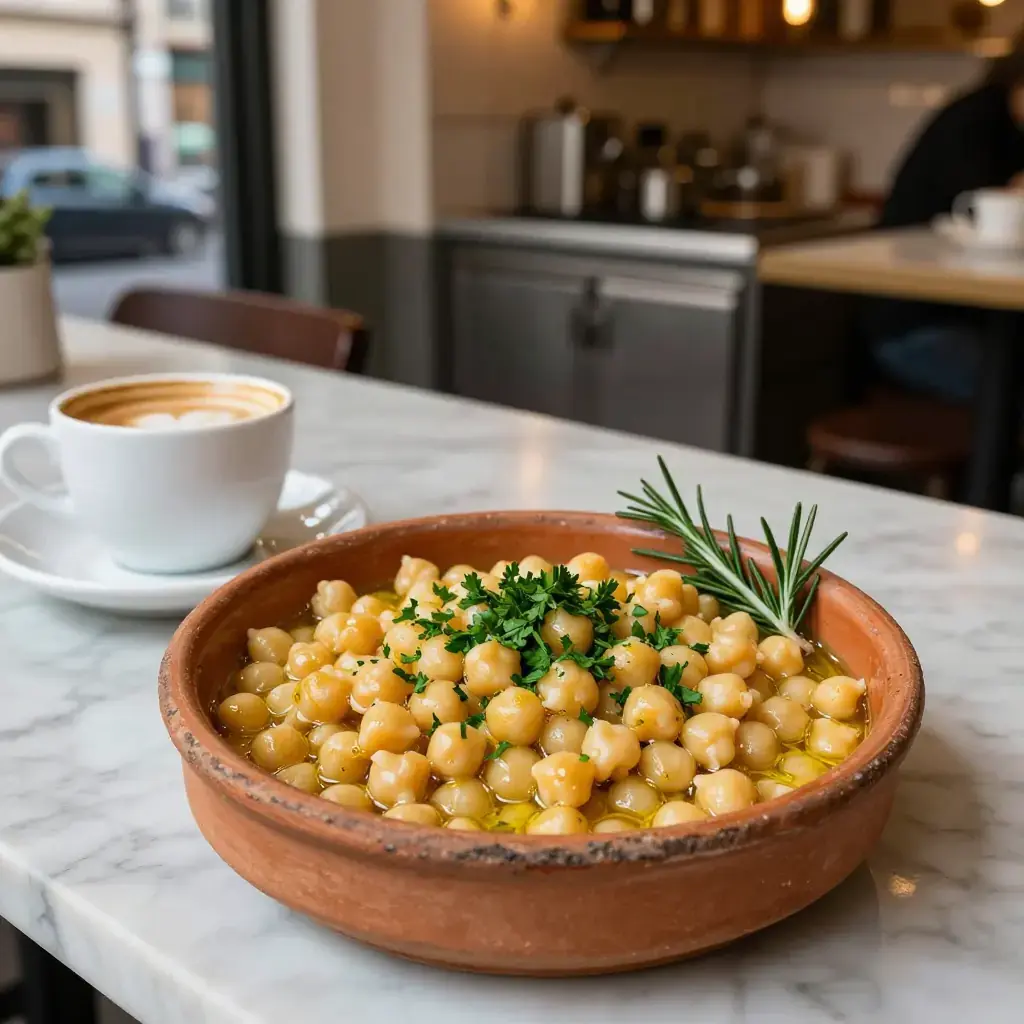
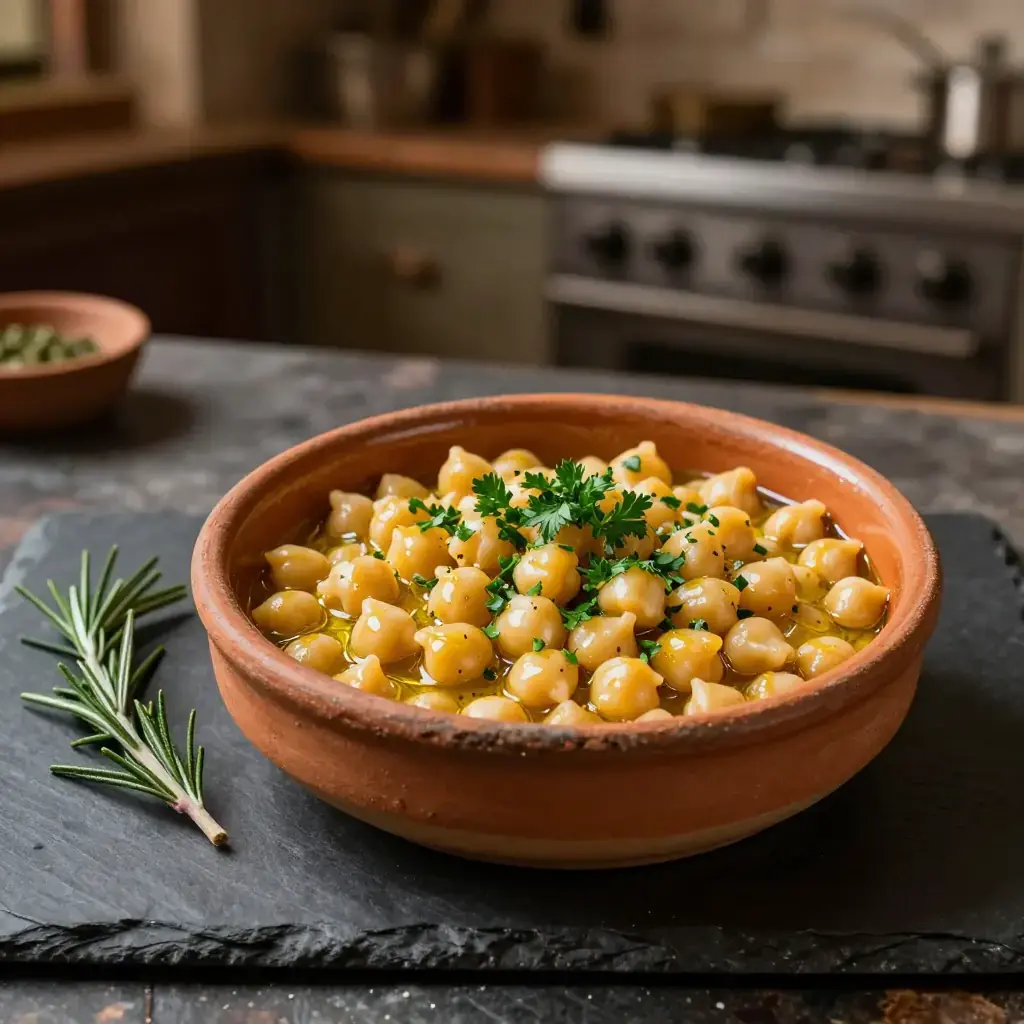
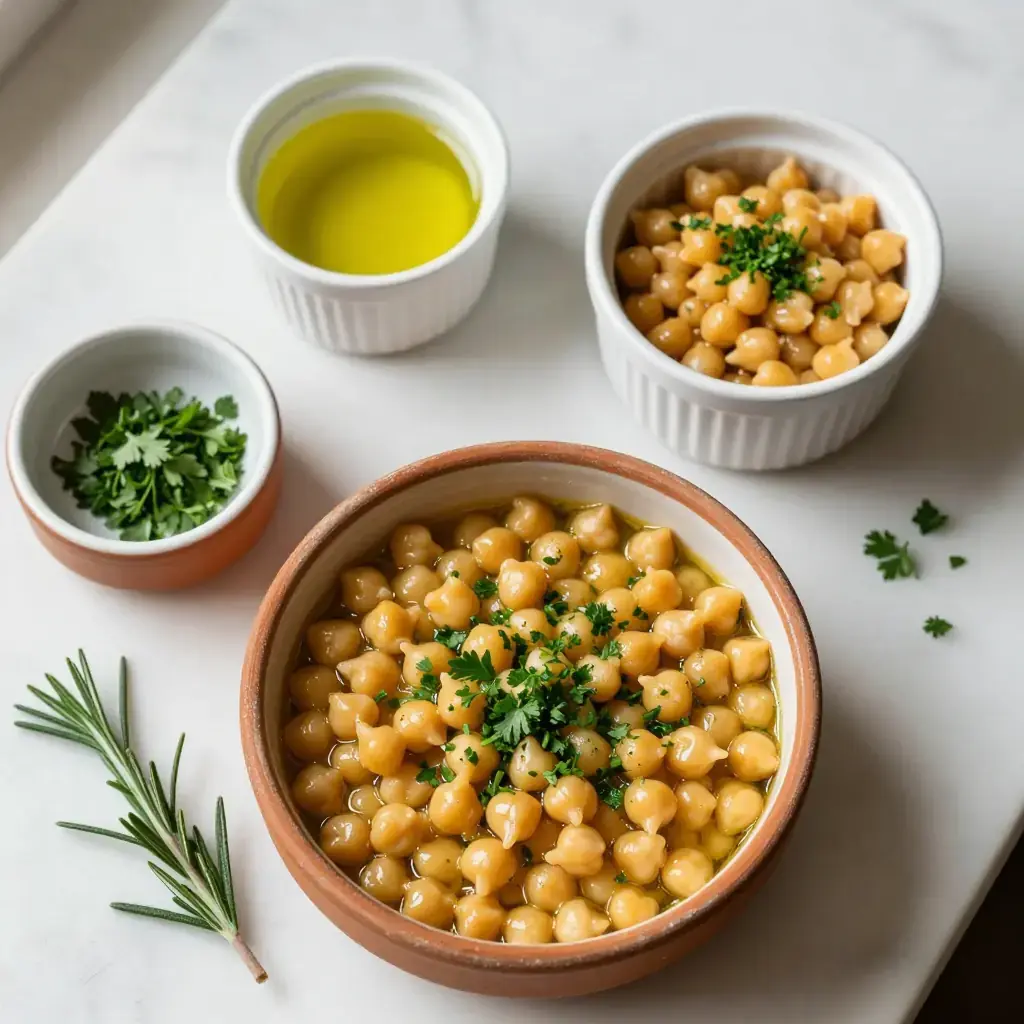
Pasta e ceci (pasta with chickpeas) is one of Rome's most ancient and beloved poor-kitchen dishes — a thick, unctuous stew that straddles the line between soup and pasta. Every Roman nonna has her version. The key is rosemary, anchovies for depth, and breaking some of the chickpeas to thicken the broth naturally. Eaten warm or at room temperature, it travels well and improves overnight.
Serves: 4
Ingredients
- 2 x 400g (14 oz) tins chickpeas, drained (reserve the liquid)
- 150g (5 oz) small pasta (ditalini, tubetti, or broken spaghetti)
- 1 x 400g (14 oz) tin crushed tomatoes
- 4 cloves garlic, finely sliced
- 2 anchovy fillets in oil, finely chopped
- 2 sprigs fresh rosemary
- 1 small dried chilli, crumbled
- 3 tbsp (45ml) extra-virgin olive oil, plus extra to finish
- 700ml (3 cups) water or light chicken stock
- Salt and black pepper
- Small bunch fresh flat-leaf parsley, chopped, to serve
Instructions
- Warm the olive oil in a heavy pot over medium-low heat. Add the garlic, anchovies, rosemary sprigs and chilli. Cook gently for 4–5 minutes until the garlic turns golden and the anchovies dissolve.
- Add the crushed tomatoes and cook 5 minutes, stirring, until the oil separates at the edges.
- Add the chickpeas, reserved chickpea liquid and water or stock. Bring to a simmer and cook 15 minutes.
- Remove the rosemary sprigs. Using a ladle, roughly mash or blend about one-third of the chickpeas directly in the pot to thicken the broth.
- Add the pasta and cook according to packet time, stirring frequently as the stew is thick. Season with salt and pepper.
- Rest 5 minutes before serving — the pasta will continue to absorb liquid. Ladle into bowls, scatter with parsley and finish with a generous drizzle of extra-virgin olive oil.
Cook's Notes: This is one of those dishes that is arguably better at room temperature the next day, making it ideal for packed lunches. The consistency should be thick and creamy — if it dries out, add a splash of warm water.
All Revisions
generated
# Pasta e Ceci Pasta e ceci (pasta with chickpeas) is one of Rome's most ancient and beloved poor-kitchen dishes — a thick, unctuous stew that straddles the line between soup and pasta. Every Roman nonna has her version. The key is rosemary, anchovies for depth, and breaking some of the chickpeas to thicken the broth naturally. Eaten warm or at room temperature, it travels well and improves overnight. Serves: 4 ## Ingredients - 2 x 400g (14 oz) tins chickpeas, drained (reserve the liquid) - 150g (5 oz) small pasta (ditalini, tubetti, or broken spaghetti) - 1 x 400g (14 oz) tin crushed tomatoes - 4 cloves garlic, finely sliced - 2 anchovy fillets in oil, finely chopped - 2 sprigs fresh rosemary - 1 small dried chilli, crumbled - 3 tbsp (45ml) extra-virgin olive oil, plus extra to finish - 700ml (3 cups) water or light chicken stock - Salt and black pepper - Small bunch fresh flat-leaf parsley, chopped, to serve ## Instructions 1. Warm the olive oil in a heavy pot over medium-low heat. Add the garlic, anchovies, rosemary sprigs and chilli. Cook gently for 4–5 minutes until the garlic turns golden and the anchovies dissolve. 2. Add the crushed tomatoes and cook 5 minutes, stirring, until the oil separates at the edges. 3. Add the chickpeas, reserved chickpea liquid and water or stock. Bring to a simmer and cook 15 minutes. 4. Remove the rosemary sprigs. Using a ladle, roughly mash or blend about one-third of the chickpeas directly in the pot to thicken the broth. 5. Add the pasta and cook according to packet time, stirring frequently as the stew is thick. Season with salt and pepper. 6. Rest 5 minutes before serving — the pasta will continue to absorb liquid. Ladle into bowls, scatter with parsley and finish with a generous drizzle of extra-virgin olive oil. **Cook's Notes:** This is one of those dishes that is arguably better at room temperature the next day, making it ideal for packed lunches. The consistency should be thick and creamy — if it dries out, add a splash of warm water.Images
Tags
- beans
- comfort-food
- dinner
- from-input
- italian
- one-pot
- pescatarian