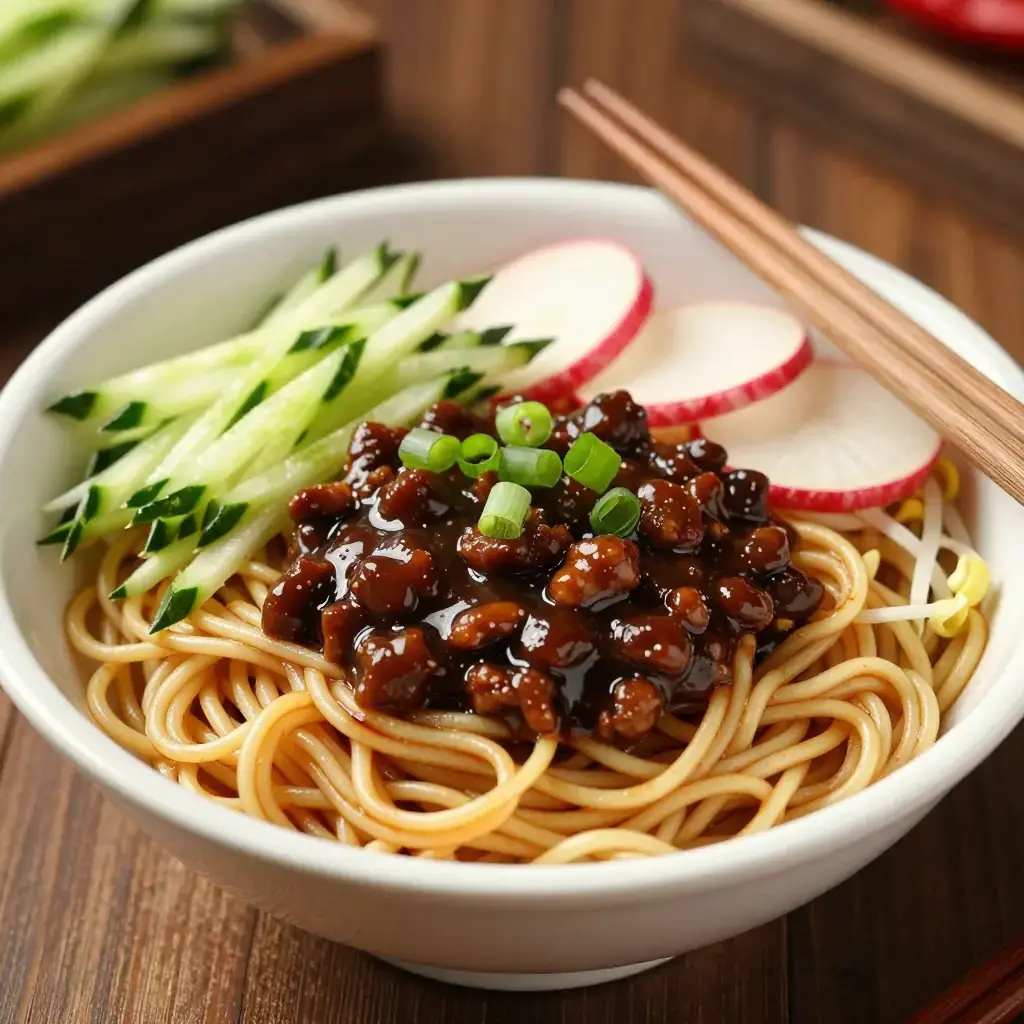
Dongbei Zha Jiang Mian
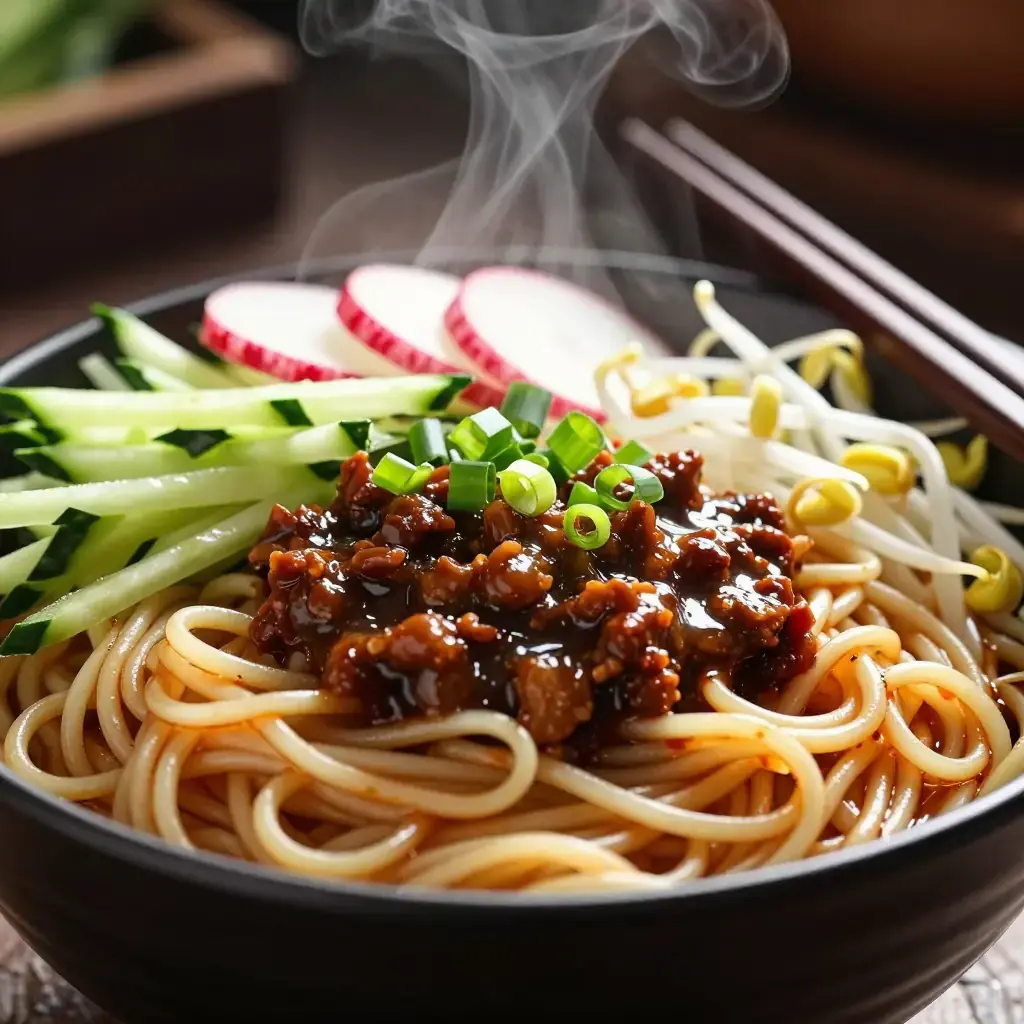
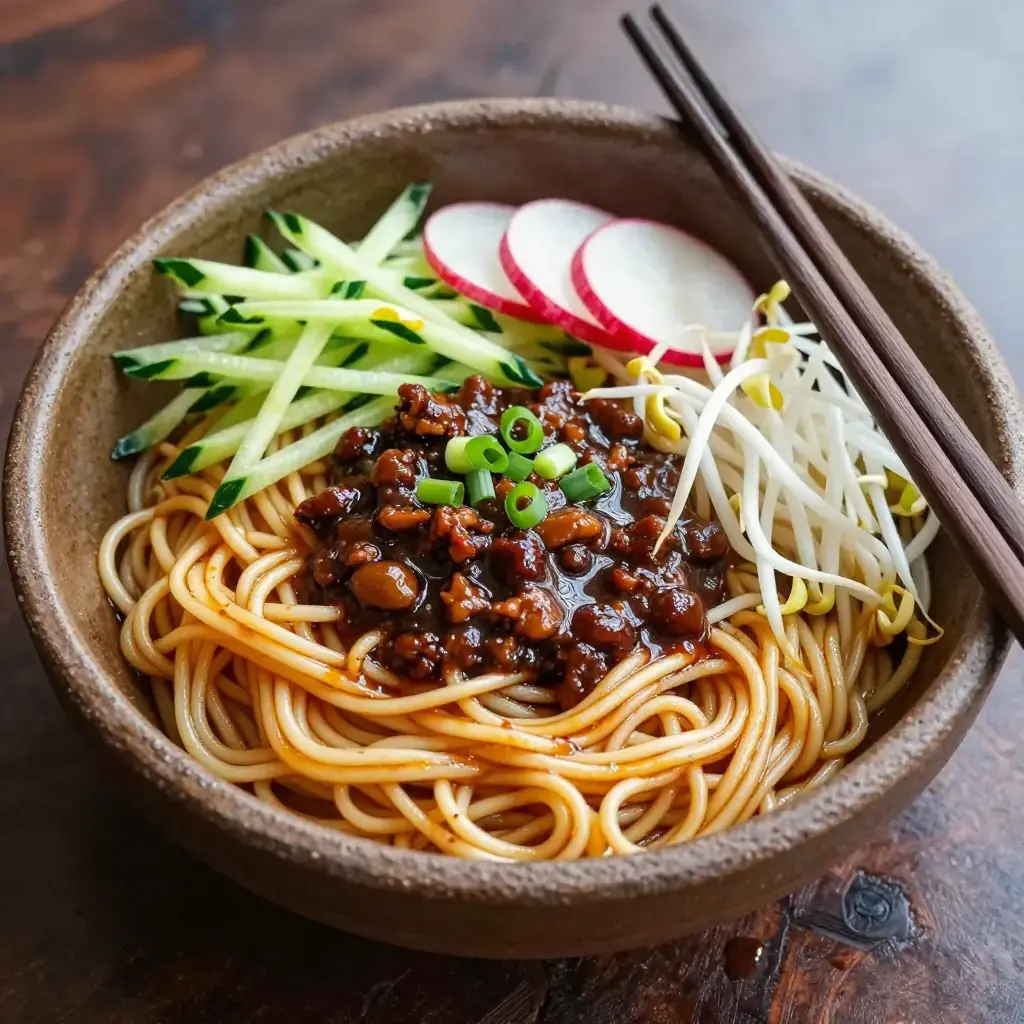
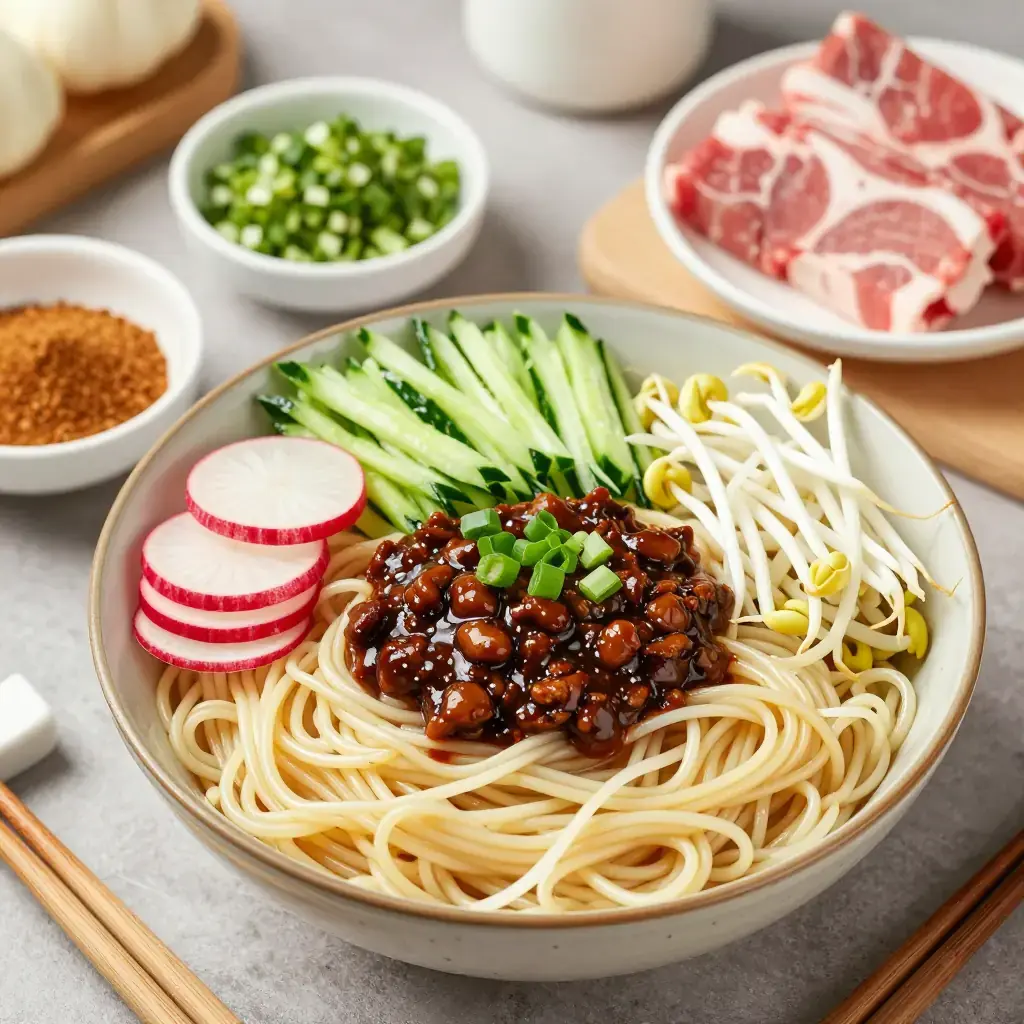
Zha Jiang Mian — noodles with fried sauce — is perhaps the most iconic noodle dish of northern China, claimed equally by Beijing and Dongbei. The Dongbei version uses a combination of yellow and sweet bean pastes with ground pork, resulting in a slightly sweeter, saltier sauce than its Beijing cousin. Piled with crisp raw vegetable toppings, it is a meal of contrasting textures that requires enthusiastic mixing at the table.
Serves: 4
Ingredients
Sauce:
- 350g (12 oz) ground pork
- 3 tbsp (45ml) yellow soybean paste (huangdoujiang)
- 1 tbsp (15ml) sweet bean paste (tianmianjiang)
- 1 tbsp (15ml) soy sauce
- 1 tsp sugar
- 3 cloves garlic, minced
- 3 slices fresh ginger, minced
- 2 tbsp (30ml) Shaoxing wine
- 2 tbsp (30ml) neutral oil
- 125ml (½ cup) water
Noodles and toppings:
- 400g (14 oz) thick fresh wheat noodles
- ½ cucumber, julienned
- 2 radishes, thinly sliced
- 100g (3.5 oz) bean sprouts, blanched
- 2 scallions, finely sliced
- 1 tbsp (15ml) sesame oil
Instructions
- Heat oil in a wok over medium heat. Add ginger and garlic; fry 30 seconds until fragrant. Add ground pork and stir-fry, breaking it up, for 5–6 minutes until browned and crumbly.
- Push pork to the side. Add both bean pastes to the cleared space and fry in the oil for 1–2 minutes, stirring, until darkened and fragrant.
- Add Shaoxing wine, soy sauce, and sugar. Mix everything together. Add water and simmer over low heat for 10–12 minutes, stirring occasionally, until the sauce is thick, glossy, and the fat has separated slightly to the surface.
- Cook noodles in a large pot of boiling water for 3–4 minutes (fresh) until tender but with a slight bite. Drain and toss with sesame oil.
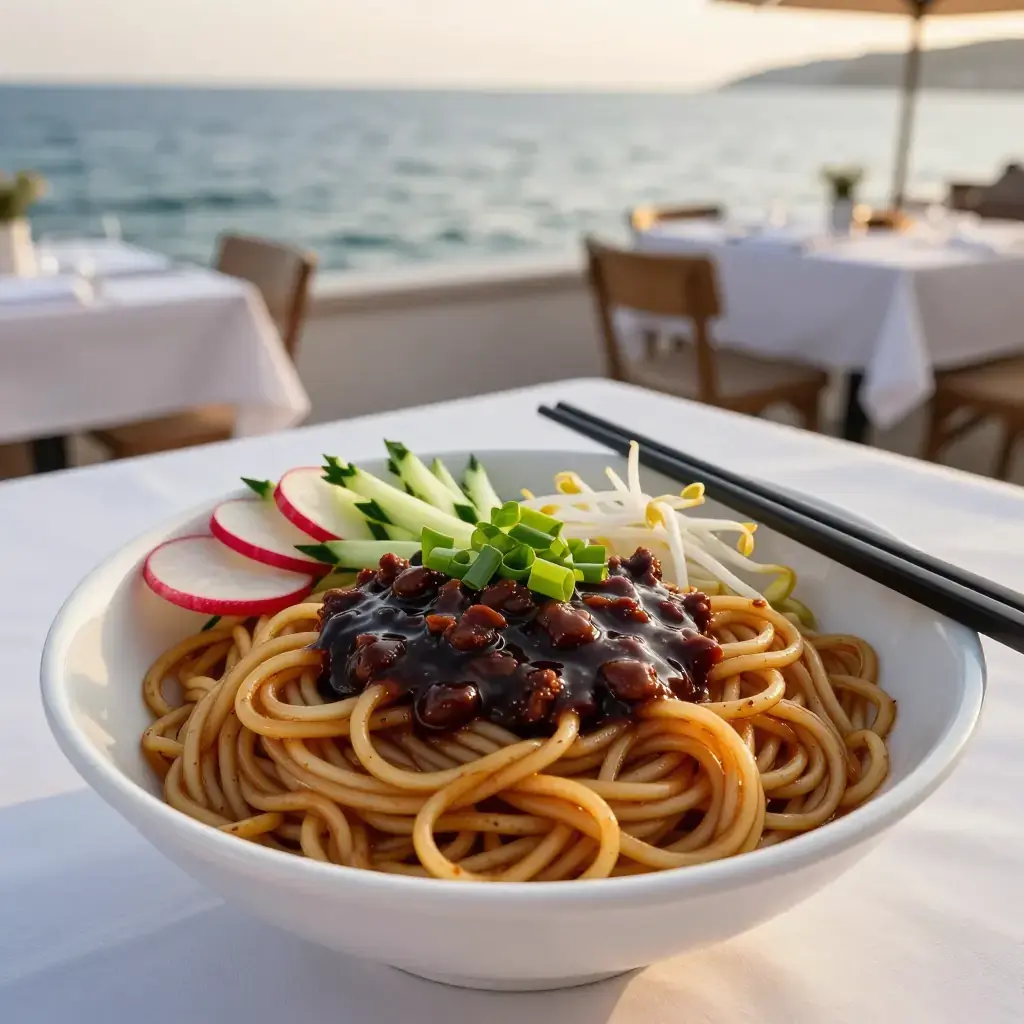
- Divide noodles into bowls. Spoon the sauce over the noodles. Arrange cucumber, radish, bean sprouts, and scallion on top.
- Diners mix everything together vigorously before eating.
Cook's Notes: The sauce freezes perfectly — make a double batch and freeze in portions. The raw toppings are non-negotiable for textural contrast. Some Dongbei households also add a handful of edamame to the sauce for colour.
All Revisions
generated
# Dongbei Zha Jiang Mian Zha Jiang Mian — noodles with fried sauce — is perhaps the most iconic noodle dish of northern China, claimed equally by Beijing and Dongbei. The Dongbei version uses a combination of yellow and sweet bean pastes with ground pork, resulting in a slightly sweeter, saltier sauce than its Beijing cousin. Piled with crisp raw vegetable toppings, it is a meal of contrasting textures that requires enthusiastic mixing at the table. Serves: 4 ## Ingredients **Sauce:** - 350g (12 oz) ground pork - 3 tbsp (45ml) yellow soybean paste (huangdoujiang) - 1 tbsp (15ml) sweet bean paste (tianmianjiang) - 1 tbsp (15ml) soy sauce - 1 tsp sugar - 3 cloves garlic, minced - 3 slices fresh ginger, minced - 2 tbsp (30ml) Shaoxing wine - 2 tbsp (30ml) neutral oil - 125ml (½ cup) water **Noodles and toppings:** - 400g (14 oz) thick fresh wheat noodles - ½ cucumber, julienned - 2 radishes, thinly sliced - 100g (3.5 oz) bean sprouts, blanched - 2 scallions, finely sliced - 1 tbsp (15ml) sesame oil ## Instructions 1. Heat oil in a wok over medium heat. Add ginger and garlic; fry 30 seconds until fragrant. Add ground pork and stir-fry, breaking it up, for 5–6 minutes until browned and crumbly. 2. Push pork to the side. Add both bean pastes to the cleared space and fry in the oil for 1–2 minutes, stirring, until darkened and fragrant. 3. Add Shaoxing wine, soy sauce, and sugar. Mix everything together. Add water and simmer over low heat for 10–12 minutes, stirring occasionally, until the sauce is thick, glossy, and the fat has separated slightly to the surface. 4. Cook noodles in a large pot of boiling water for 3–4 minutes (fresh) until tender but with a slight bite. Drain and toss with sesame oil. 5. Divide noodles into bowls. Spoon the sauce over the noodles. Arrange cucumber, radish, bean sprouts, and scallion on top. 6. Diners mix everything together vigorously before eating. **Cook's Notes:** The sauce freezes perfectly — make a double batch and freeze in portions. The raw toppings are non-negotiable for textural contrast. Some Dongbei households also add a handful of edamame to the sauce for colour.Images
Tags
- authentic
- comfort-food
- dongbei
- from-input
- lunch
- noodles