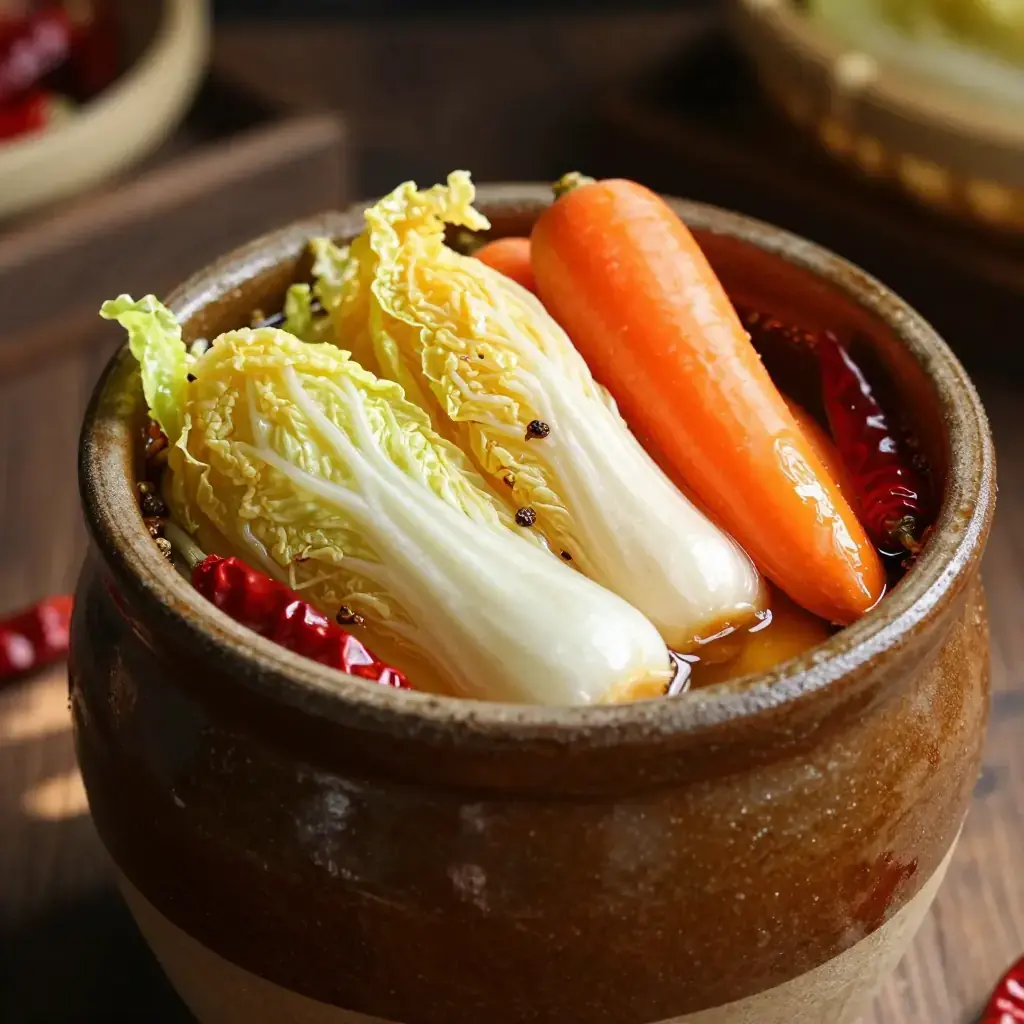
Sichuan Paocai (四川泡菜)
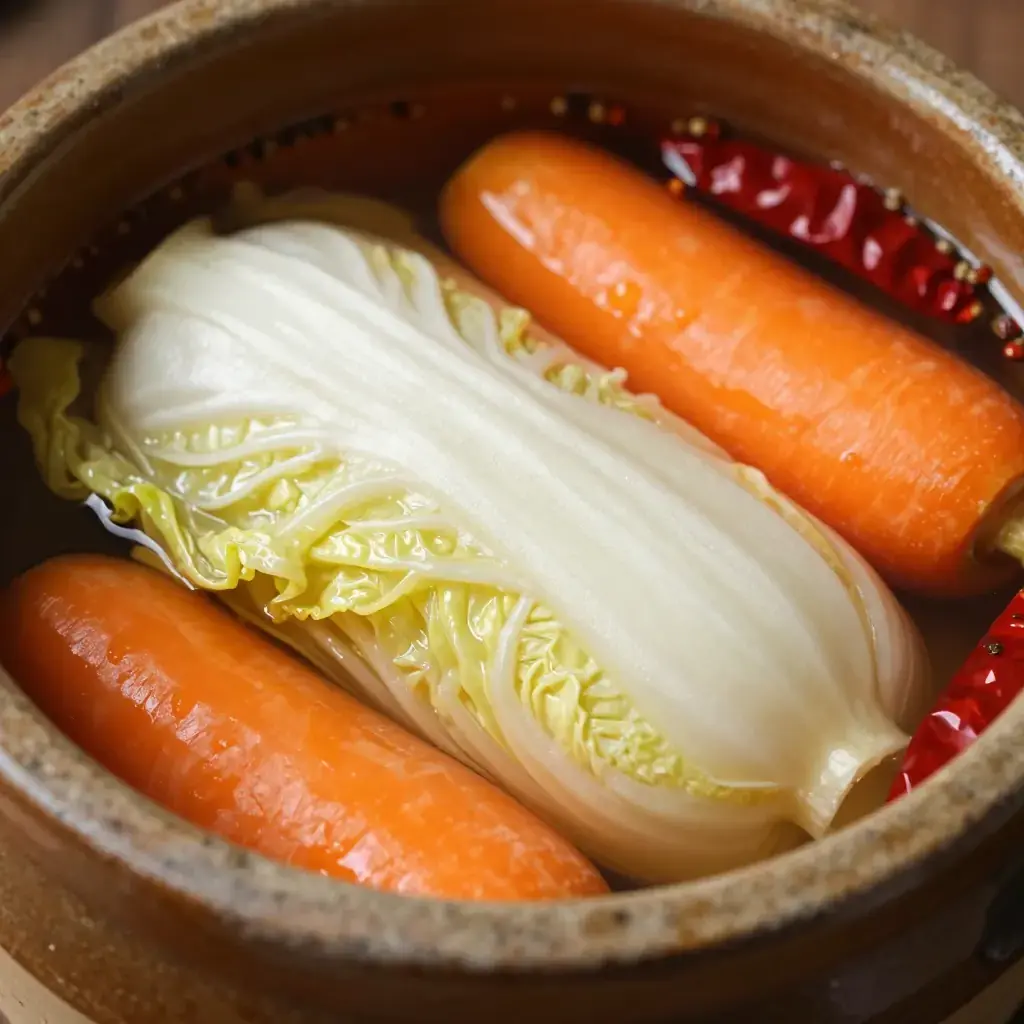
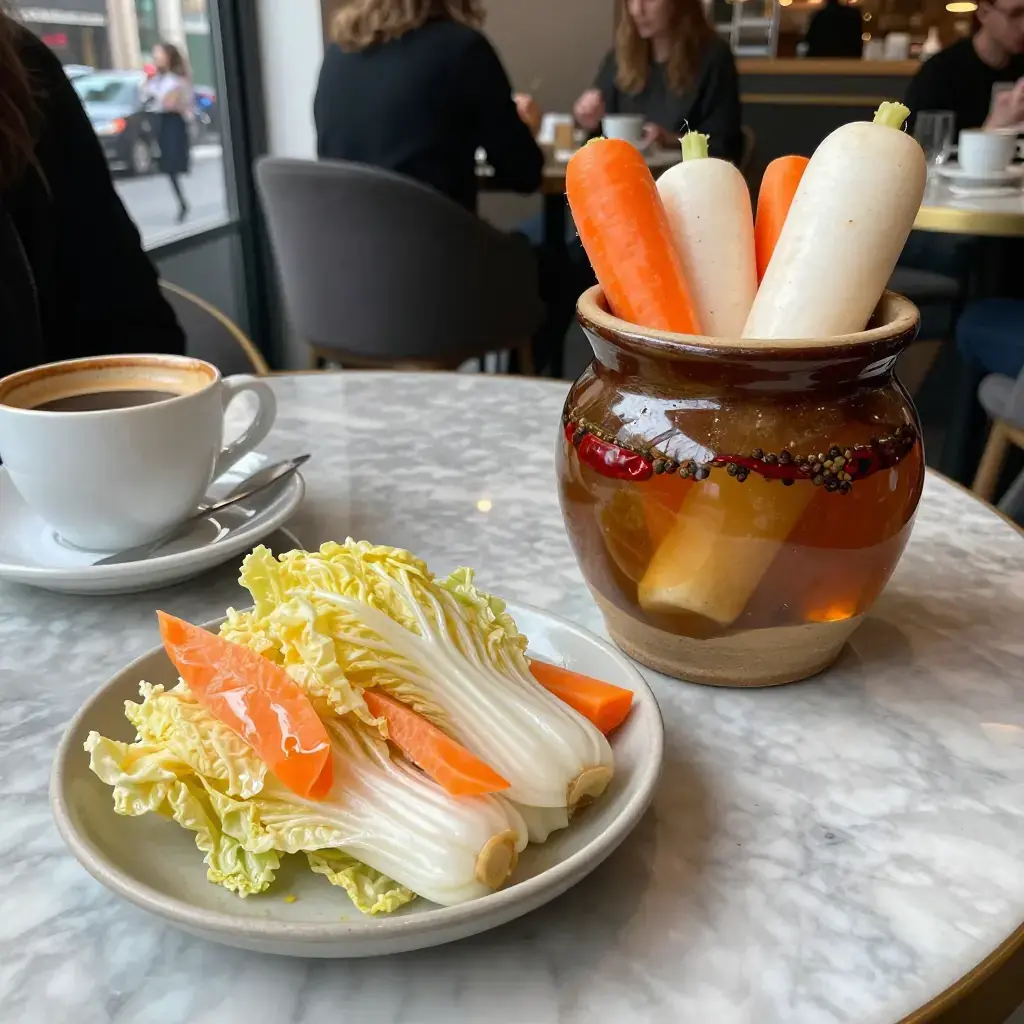
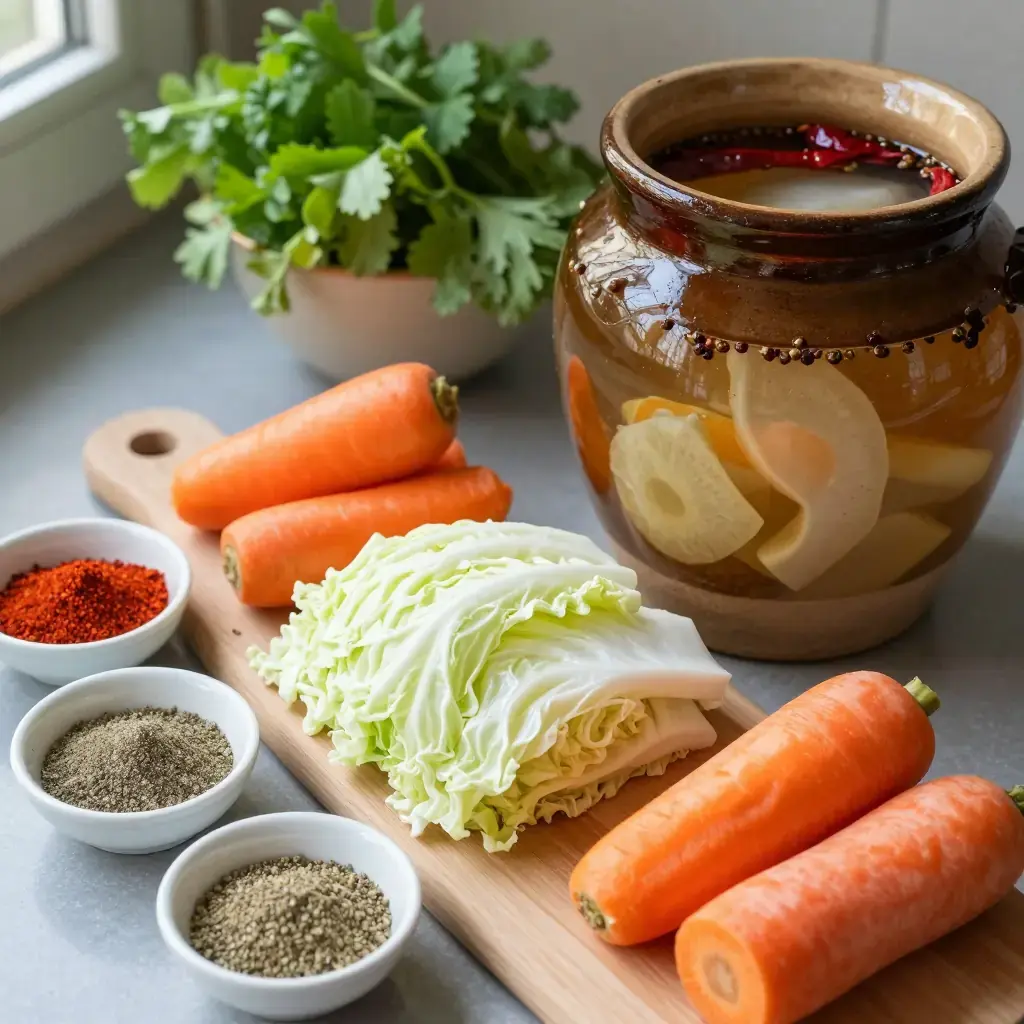
Sichuan paocai is distinct from Korean kimchi — it ferments in a simple salt-and-water brine flavoured with Sichuan peppercorns, chillies, and aromatics, producing vegetables that are crunchy, lightly sour, and mildly numbing rather than fiery. Every Sichuan household keeps a clay paocai jar, replenishing it continually for decades.
Serves: 6–8 (makes 1 litre jar)
Ingredients
Brine:
- 600ml (2½ cups) filtered or boiled-and-cooled water
- 30g (2 tbsp) non-iodised salt (iodine inhibits fermentation)
- 1 tbsp sugar
- 2 tbsp Baijiu or rice wine (optional — speeds fermentation)
Aromatics:
- 1 tbsp Sichuan peppercorns
- 4 dried red chillies (er jing tiao preferred)
- 3 slices fresh ginger
- 2 cloves garlic
- 1 star anise
Vegetables (use any combination totalling about 600g / 1.3 lb):
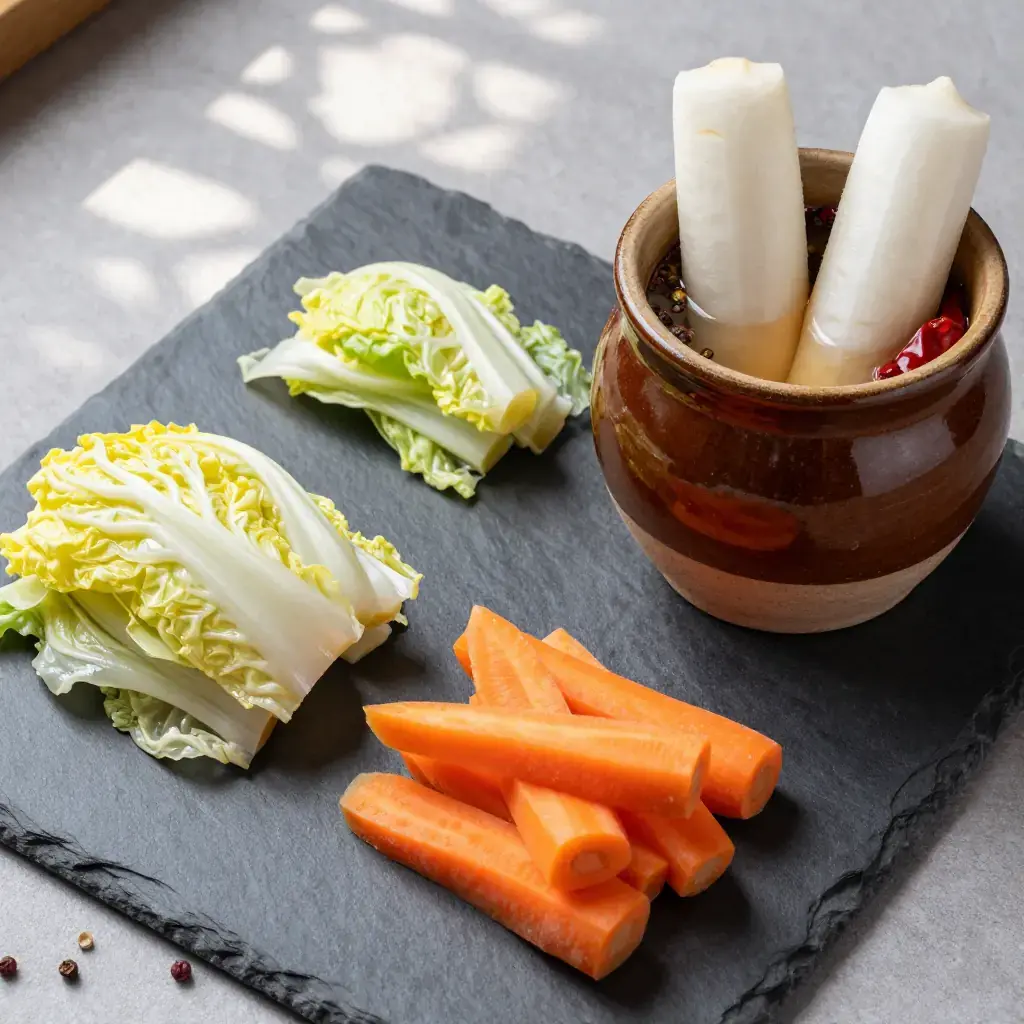
- ¼ head napa cabbage, cut into 5cm (2 in) chunks
- 2 medium carrots, cut into batons
- 200g (7 oz) white radish (daikon), cut into batons
- 2–3 green chilli peppers, halved
- 4 long beans or green beans, cut into 5cm (2 in) lengths
Instructions
- Wash and thoroughly dry all vegetables — water on the surface will dilute the brine. Cut into uniform pieces for even fermentation.
- Combine brine ingredients in a clean jar or jug; stir until salt and sugar are fully dissolved.
- Pack aromatics into the base of a sterilised 1-litre jar with a tight-fitting lid or airlock. Pack vegetables in tightly on top.
- Pour brine over to fully submerge all vegetables. Leave at least 3cm (1 in) headspace. If needed, weigh vegetables down with a small zip-lock bag filled with brine.
- Ferment at room temperature (18–22°C / 64–72°F) for 2–3 days. Taste after 2 days — vegetables should be mildly sour, crisp, and fragrant. Longer fermentation yields a deeper sour.
- Once at your preferred tang, seal and refrigerate. Paocai keeps for up to 3 weeks in the fridge. Reserve some brine as a starter culture for your next batch.
Cook's Notes: A established mother brine — one that has been used for many batches — is prized in Sichuan households and thought to improve dishes for generations. Add a pinch of sugar with each new batch to feed the fermenting bacteria.
All Revisions
generated
# Sichuan Paocai (四川泡菜) Sichuan paocai is distinct from Korean kimchi — it ferments in a simple salt-and-water brine flavoured with Sichuan peppercorns, chillies, and aromatics, producing vegetables that are crunchy, lightly sour, and mildly numbing rather than fiery. Every Sichuan household keeps a clay paocai jar, replenishing it continually for decades. Serves: 6–8 (makes 1 litre jar) ## Ingredients **Brine:** - 600ml (2½ cups) filtered or boiled-and-cooled water - 30g (2 tbsp) non-iodised salt (iodine inhibits fermentation) - 1 tbsp sugar - 2 tbsp Baijiu or rice wine (optional — speeds fermentation) **Aromatics:** - 1 tbsp Sichuan peppercorns - 4 dried red chillies (er jing tiao preferred) - 3 slices fresh ginger - 2 cloves garlic - 1 star anise **Vegetables (use any combination totalling about 600g / 1.3 lb):** - ¼ head napa cabbage, cut into 5cm (2 in) chunks - 2 medium carrots, cut into batons - 200g (7 oz) white radish (daikon), cut into batons - 2–3 green chilli peppers, halved - 4 long beans or green beans, cut into 5cm (2 in) lengths ## Instructions 1. Wash and thoroughly dry all vegetables — water on the surface will dilute the brine. Cut into uniform pieces for even fermentation. 2. Combine brine ingredients in a clean jar or jug; stir until salt and sugar are fully dissolved. 3. Pack aromatics into the base of a sterilised 1-litre jar with a tight-fitting lid or airlock. Pack vegetables in tightly on top. 4. Pour brine over to fully submerge all vegetables. Leave at least 3cm (1 in) headspace. If needed, weigh vegetables down with a small zip-lock bag filled with brine. 5. Ferment at room temperature (18–22°C / 64–72°F) for 2–3 days. Taste after 2 days — vegetables should be mildly sour, crisp, and fragrant. Longer fermentation yields a deeper sour. 6. Once at your preferred tang, seal and refrigerate. Paocai keeps for up to 3 weeks in the fridge. Reserve some brine as a starter culture for your next batch. **Cook's Notes:** A established mother brine — one that has been used for many batches — is prized in Sichuan households and thought to improve dishes for generations. Add a pinch of sugar with each new batch to feed the fermenting bacteria.Images
Tags
- authentic
- dairy-free
- fermented
- from-input
- gluten-free
- root-vegetables
- sichuan
- snack
- vegan
- vegetarian