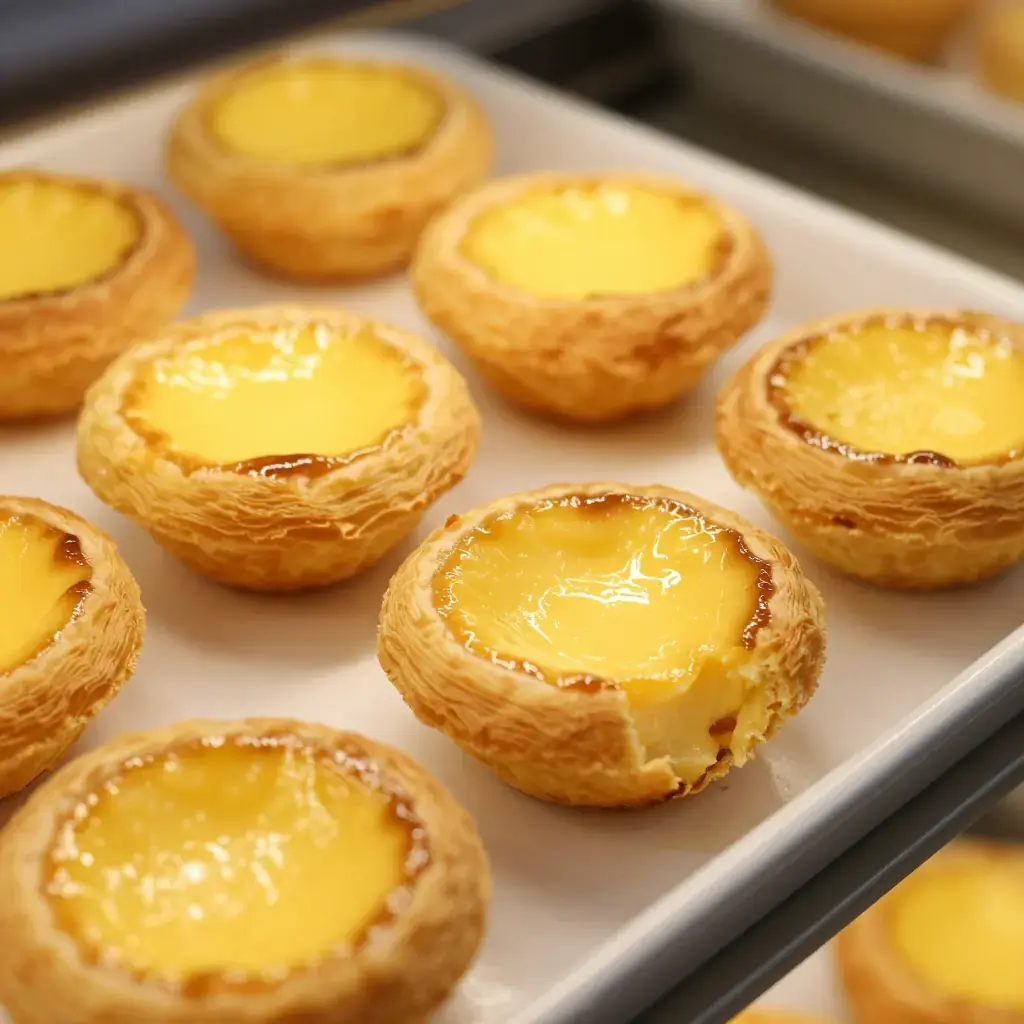
Dan Tat
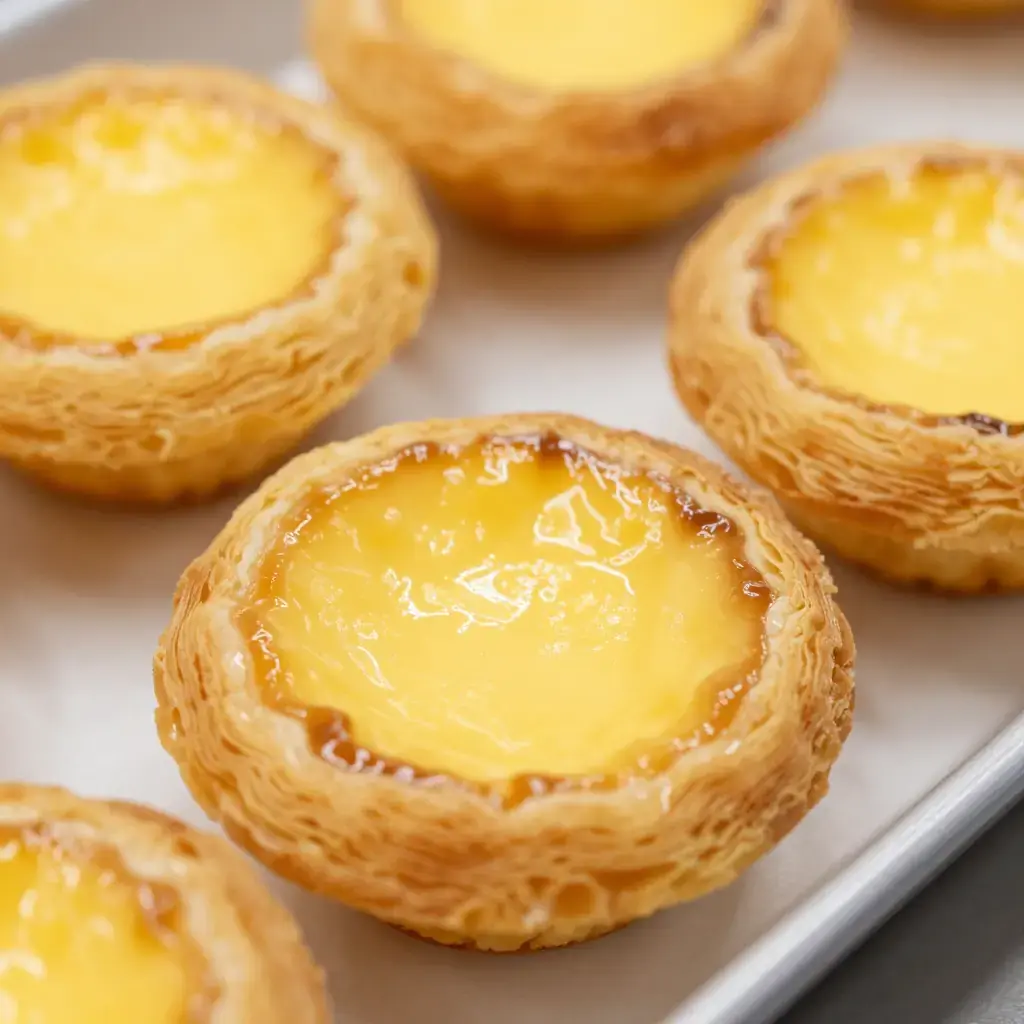
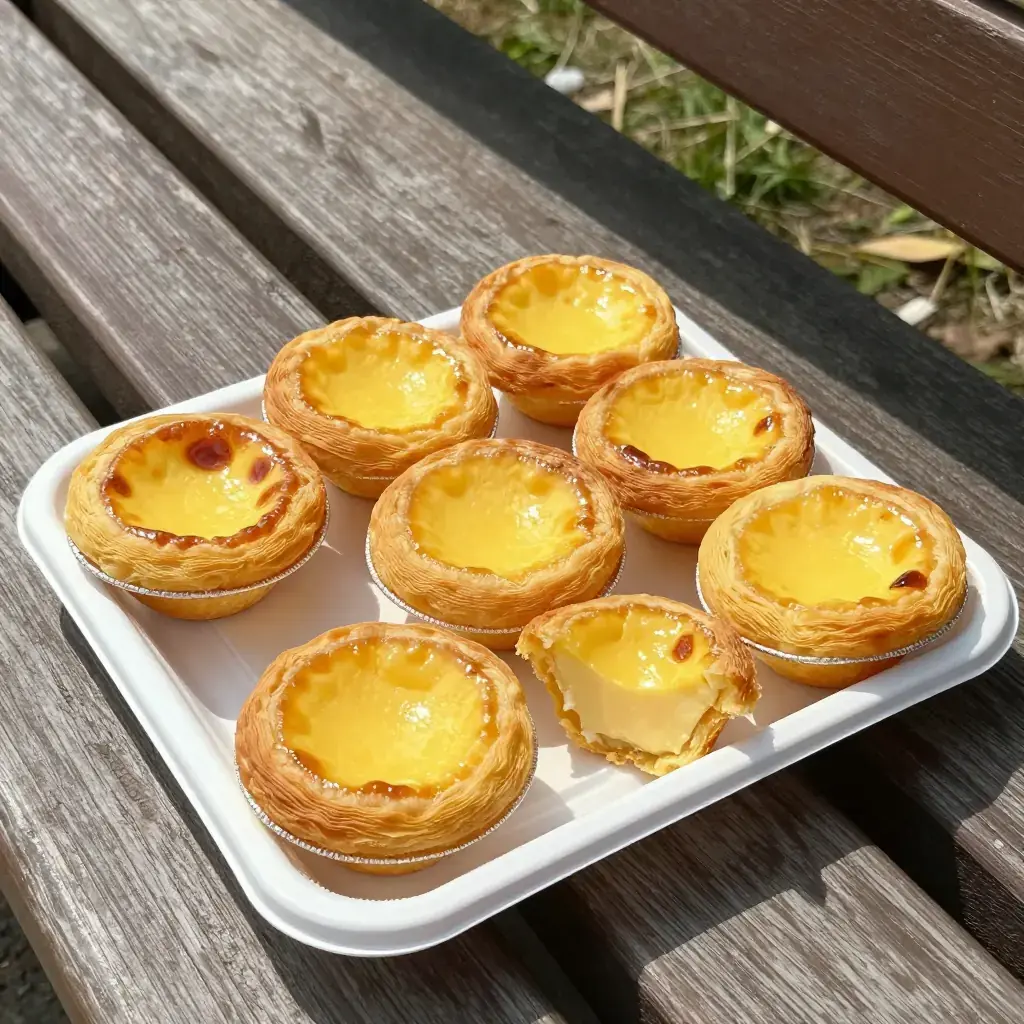
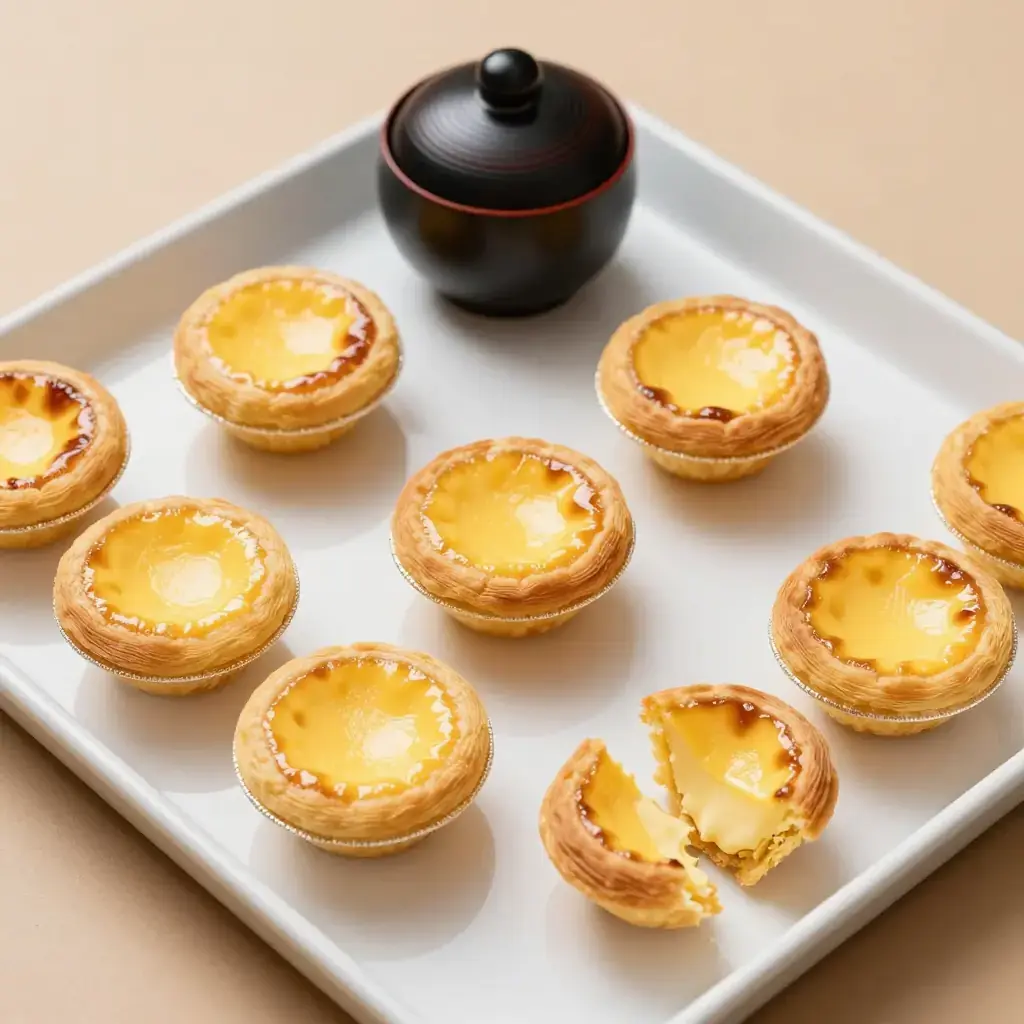
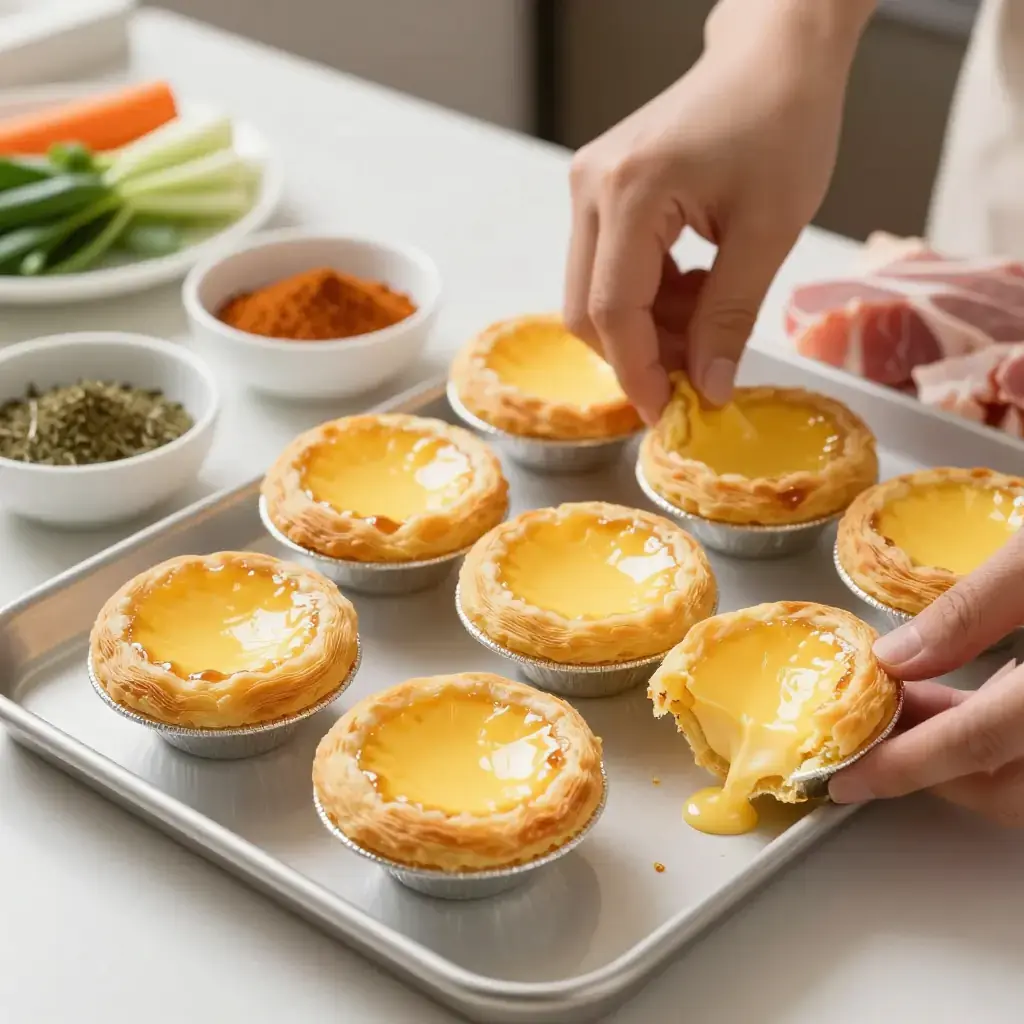
Dan tat are the quintessential Cantonese pastry, born from the intersection of British colonial custard tarts and Cantonese baking ingenuity. A flaky or shortcrust shell cradles a smooth, lightly sweetened egg custard that barely wobbles when done. Every Hong Kong bakery has its version; this recipe uses the classic siu beng (shortcrust) base for its buttery snap and melt-in-the-mouth finish.
Serves: 4 (makes 12 tarts)
Ingredients
Shortcrust Pastry
- 180g (1½ cups) plain flour
- 80g (5½ tbsp) unsalted butter, cold and cubed
- 30g (3½ tbsp) icing sugar
- 1 egg yolk
- 1–2 tbsp (15–30ml) cold water
Egg Custard
- 3 large eggs
- 80g (⅓ cup + 1 tbsp) caster sugar
- 250ml (1 cup) whole milk
- ½ tsp vanilla extract
- Pinch of fine salt
Instructions
- Make the pastry: rub cold butter into flour and icing sugar with fingertips until the mixture resembles breadcrumbs. Add egg yolk and enough cold water to bring the dough together. Flatten into a disc, wrap, and refrigerate 30 minutes.
- Preheat oven to 200°C (390°F). Lightly grease 12 individual tart molds, about 8cm (3 inches) diameter.
- Roll out pastry to 3mm (⅛ inch) thick. Cut rounds slightly larger than the molds and press gently in, trimming excess. Refrigerate 10 minutes.
- Make the custard: whisk eggs and sugar until combined. Warm the milk to just below simmering (do not boil), then slowly pour into the egg mixture, whisking constantly. Add vanilla and salt. Strain through a fine sieve to remove any lumps.
- Fill each pastry shell three-quarters full with custard. Bake at 200°C for 10 minutes, then reduce heat to 165°C (330°F) and bake a further 10–12 minutes until custard is just set with a very slight wobble in the center.
- Cool 5 minutes before unmolding. Best eaten warm or at room temperature on the day of baking.
Cook's Notes: Straining the custard and baking at reduced temperature after the initial blast are both essential — high heat throughout causes unsightly bubbles. For the flaky water-pastry version (suipi) traditional in Macau-style tarts, substitute lard for butter and fold the dough in layers.
All Revisions
generated
# Dan Tat Dan tat are the quintessential Cantonese pastry, born from the intersection of British colonial custard tarts and Cantonese baking ingenuity. A flaky or shortcrust shell cradles a smooth, lightly sweetened egg custard that barely wobbles when done. Every Hong Kong bakery has its version; this recipe uses the classic siu beng (shortcrust) base for its buttery snap and melt-in-the-mouth finish. Serves: 4 (makes 12 tarts) ## Ingredients ### Shortcrust Pastry - 180g (1½ cups) plain flour - 80g (5½ tbsp) unsalted butter, cold and cubed - 30g (3½ tbsp) icing sugar - 1 egg yolk - 1–2 tbsp (15–30ml) cold water ### Egg Custard - 3 large eggs - 80g (⅓ cup + 1 tbsp) caster sugar - 250ml (1 cup) whole milk - ½ tsp vanilla extract - Pinch of fine salt ## Instructions 1. Make the pastry: rub cold butter into flour and icing sugar with fingertips until the mixture resembles breadcrumbs. Add egg yolk and enough cold water to bring the dough together. Flatten into a disc, wrap, and refrigerate 30 minutes. 2. Preheat oven to 200°C (390°F). Lightly grease 12 individual tart molds, about 8cm (3 inches) diameter. 3. Roll out pastry to 3mm (⅛ inch) thick. Cut rounds slightly larger than the molds and press gently in, trimming excess. Refrigerate 10 minutes. 4. Make the custard: whisk eggs and sugar until combined. Warm the milk to just below simmering (do not boil), then slowly pour into the egg mixture, whisking constantly. Add vanilla and salt. Strain through a fine sieve to remove any lumps. 5. Fill each pastry shell three-quarters full with custard. Bake at 200°C for 10 minutes, then reduce heat to 165°C (330°F) and bake a further 10–12 minutes until custard is just set with a very slight wobble in the center. 6. Cool 5 minutes before unmolding. Best eaten warm or at room temperature on the day of baking. **Cook's Notes:** Straining the custard and baking at reduced temperature after the initial blast are both essential — high heat throughout causes unsightly bubbles. For the flaky water-pastry version (suipi) traditional in Macau-style tarts, substitute lard for butter and fold the dough in layers.Images
Tags
- authentic
- baked
- baking
- cantonese
- from-input
- indulgent
- snack