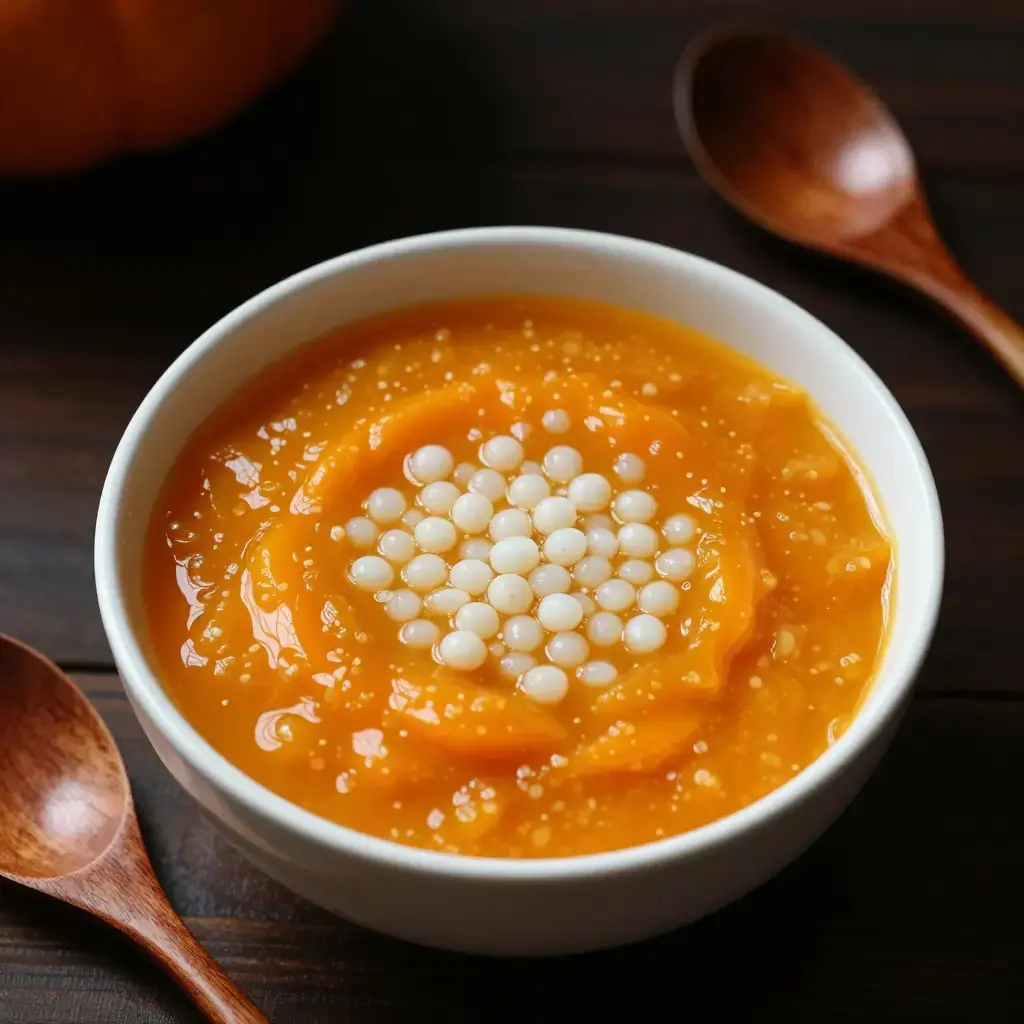
Hobakjuk (호박죽)
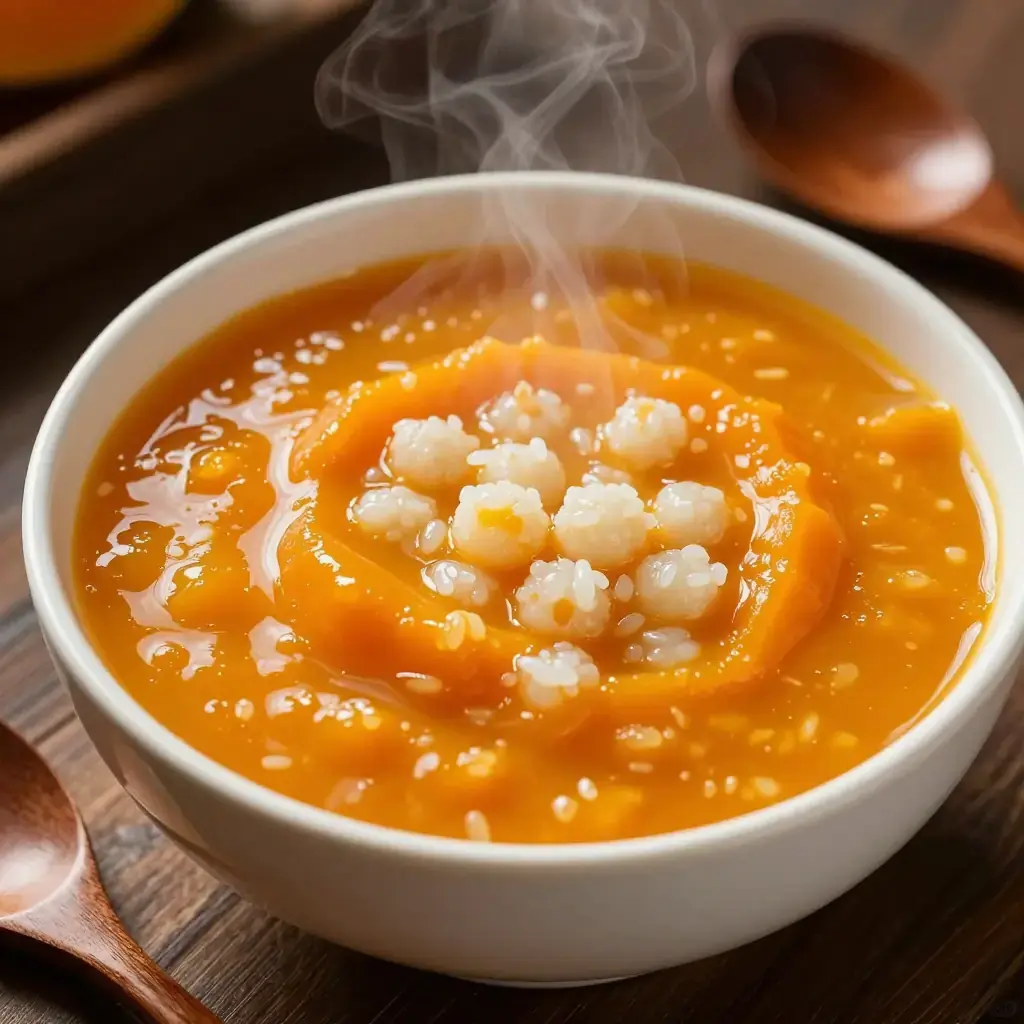
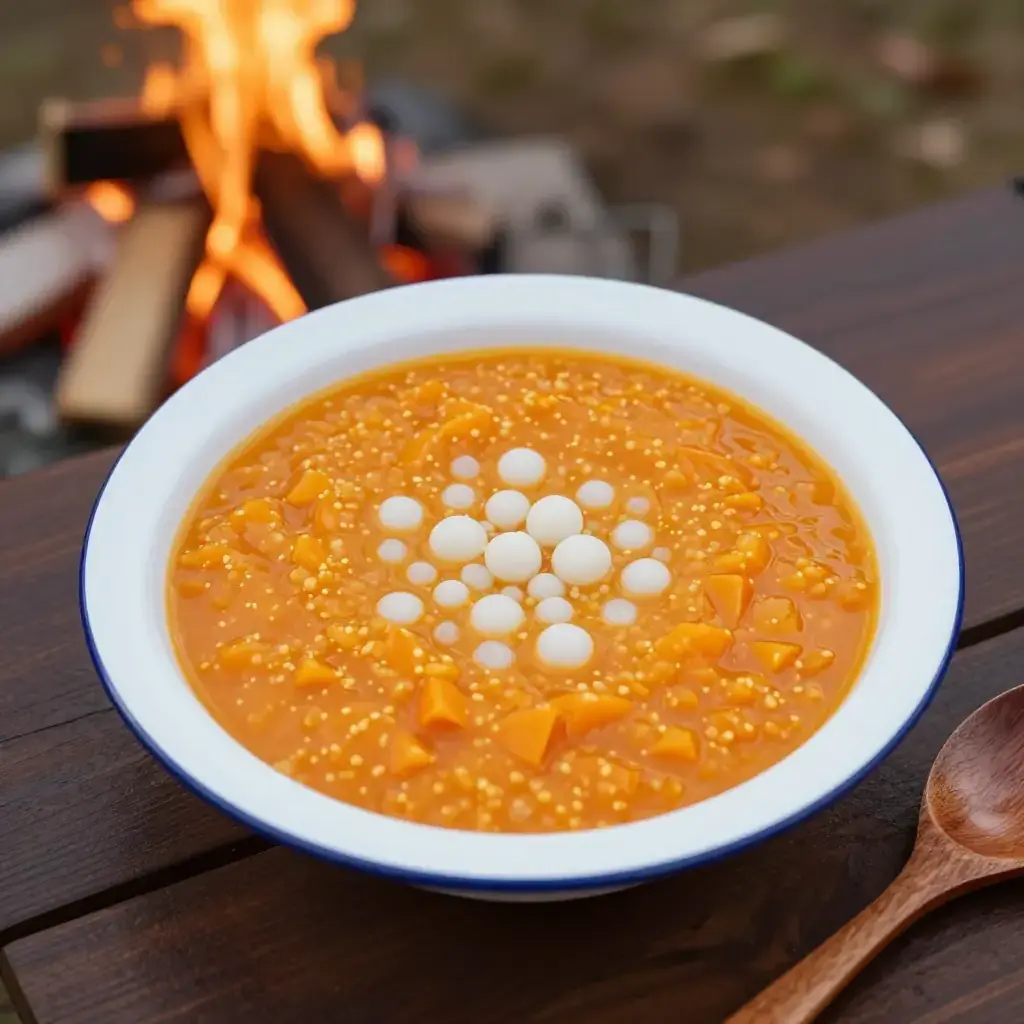
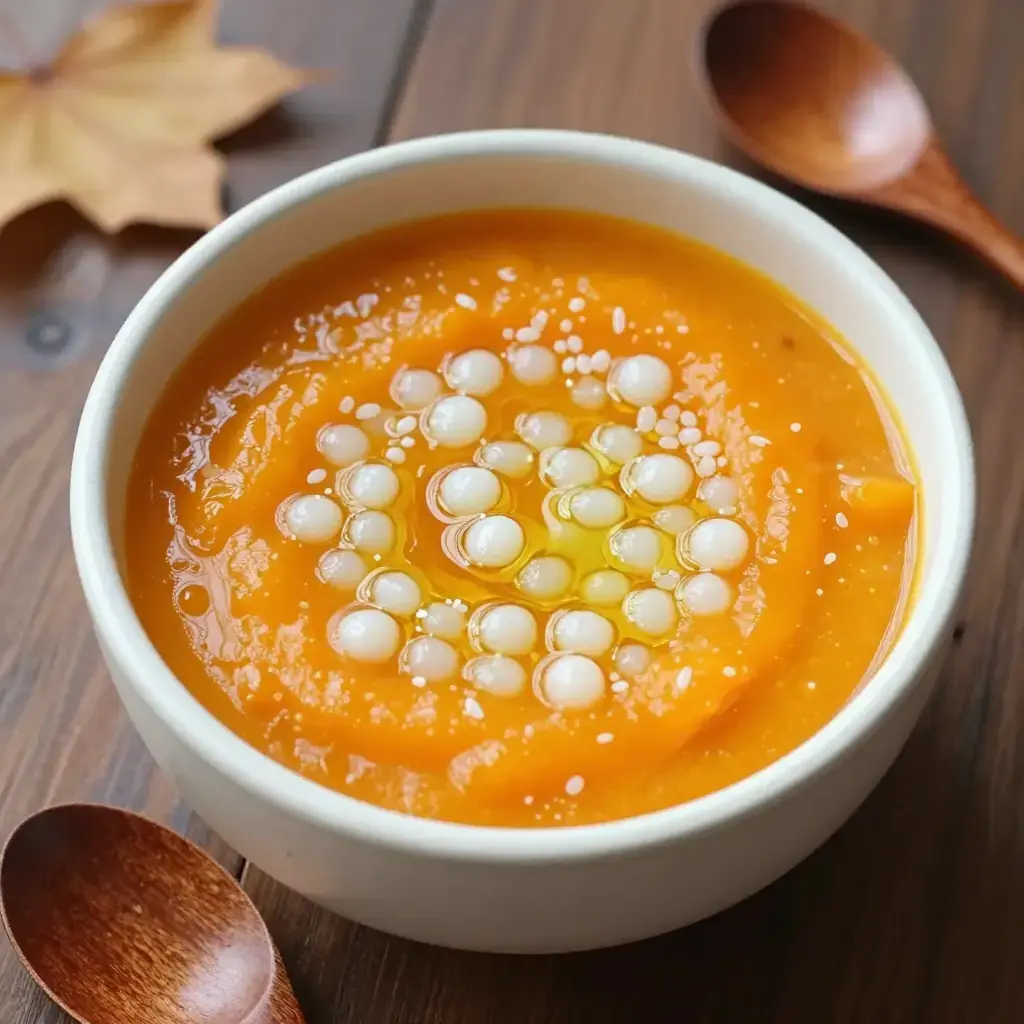
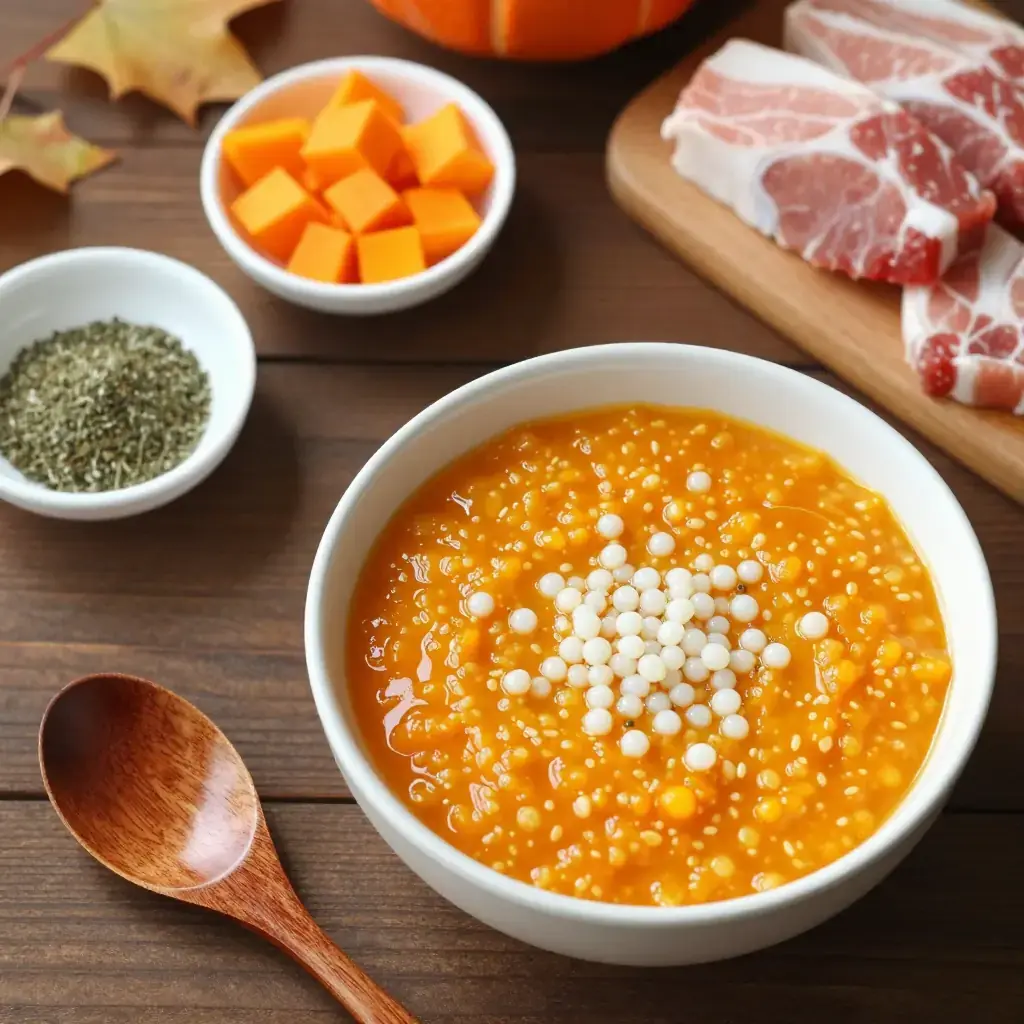
Hobakjuk is a silky Korean pumpkin porridge made from kabocha squash (dan hobak) blended with glutinous rice flour into a thick, naturally sweet, vibrantly orange porridge. It is one of Korea's traditional juk (porridge) dishes, eaten as a light autumn and winter meal, as a restorative food for the sick, and — most famously — on the winter solstice (Dongji), when eating red bean and pumpkin porridge is believed to ward off bad spirits for the coming year. It is gentle, warming, and deeply comforting.
Serves: 4
Ingredients
- 600 g (1.3 lb) kabocha squash (Japanese pumpkin / dan hobak), peeled, seeded, cut into chunks
- 1.2 litres (5 cups) water
- 60 g (1/2 cup) glutinous rice flour (chapssal-garu)
- 80–100 ml (1/3 cup) cold water, for the rice flour paste
- 3 tbsp (45 g) sugar (or to taste)
- 1/2 tsp salt
- Small handful of small rice cake balls (saealsim tteok) or cooked glutinous rice balls, to serve (optional)
Instructions
- Place the kabocha chunks in a large pot with 1.2 litres (5 cups) water. Bring to a boil, then reduce to a simmer. Cook for 20–25 minutes until the pumpkin is completely tender and falling apart.
- Remove from heat. Using an immersion blender (or transfer in batches to a blender), blend the pumpkin and cooking water until completely smooth.
- Return the blended mixture to the pot over medium-low heat.
- Whisk the glutinous rice flour with 80 ml (1/3 cup) cold water until smooth with no lumps.
- Pour the rice flour paste into the pumpkin puree in a thin stream, whisking constantly. Cook, stirring continuously, for 8–10 minutes until the porridge thickens and takes on a glossy sheen.
- Stir in sugar and salt. Taste and adjust — the porridge should be gently sweet and savoury.
- Add the small rice cake balls if using and cook for a further 3–4 minutes until soft.
- Serve hot in bowls. Drizzle with a little extra sesame oil if desired.
Cook's Notes: Kabocha squash (dan hobak) is essential for the characteristic deep orange colour and natural sweetness — butternut squash is an acceptable substitute. The glutinous rice flour is what gives hobakjuk its distinctive thick, slightly sticky, almost pudding-like consistency; do not substitute regular rice flour. Leftovers thicken considerably in the refrigerator — thin with water when reheating.
All Revisions
generated
# Hobakjuk (호박죽) Hobakjuk is a silky Korean pumpkin porridge made from kabocha squash (dan hobak) blended with glutinous rice flour into a thick, naturally sweet, vibrantly orange porridge. It is one of Korea's traditional juk (porridge) dishes, eaten as a light autumn and winter meal, as a restorative food for the sick, and — most famously — on the winter solstice (Dongji), when eating red bean and pumpkin porridge is believed to ward off bad spirits for the coming year. It is gentle, warming, and deeply comforting. Serves: 4 ## Ingredients - 600 g (1.3 lb) kabocha squash (Japanese pumpkin / dan hobak), peeled, seeded, cut into chunks - 1.2 litres (5 cups) water - 60 g (1/2 cup) glutinous rice flour (chapssal-garu) - 80–100 ml (1/3 cup) cold water, for the rice flour paste - 3 tbsp (45 g) sugar (or to taste) - 1/2 tsp salt - Small handful of small rice cake balls (saealsim tteok) or cooked glutinous rice balls, to serve (optional) ## Instructions 1. Place the kabocha chunks in a large pot with 1.2 litres (5 cups) water. Bring to a boil, then reduce to a simmer. Cook for 20–25 minutes until the pumpkin is completely tender and falling apart. 2. Remove from heat. Using an immersion blender (or transfer in batches to a blender), blend the pumpkin and cooking water until completely smooth. 3. Return the blended mixture to the pot over medium-low heat. 4. Whisk the glutinous rice flour with 80 ml (1/3 cup) cold water until smooth with no lumps. 5. Pour the rice flour paste into the pumpkin puree in a thin stream, whisking constantly. Cook, stirring continuously, for 8–10 minutes until the porridge thickens and takes on a glossy sheen. 6. Stir in sugar and salt. Taste and adjust — the porridge should be gently sweet and savoury. 7. Add the small rice cake balls if using and cook for a further 3–4 minutes until soft. 8. Serve hot in bowls. Drizzle with a little extra sesame oil if desired. **Cook's Notes:** Kabocha squash (dan hobak) is essential for the characteristic deep orange colour and natural sweetness — butternut squash is an acceptable substitute. The glutinous rice flour is what gives hobakjuk its distinctive thick, slightly sticky, almost pudding-like consistency; do not substitute regular rice flour. Leftovers thicken considerably in the refrigerator — thin with water when reheating.Images
Tags
- authentic
- comfort-food
- dairy-free
- fall
- from-input
- gluten-free
- healthy
- hot-soup
- korean
- one-pot
- vegan
- vegetarian