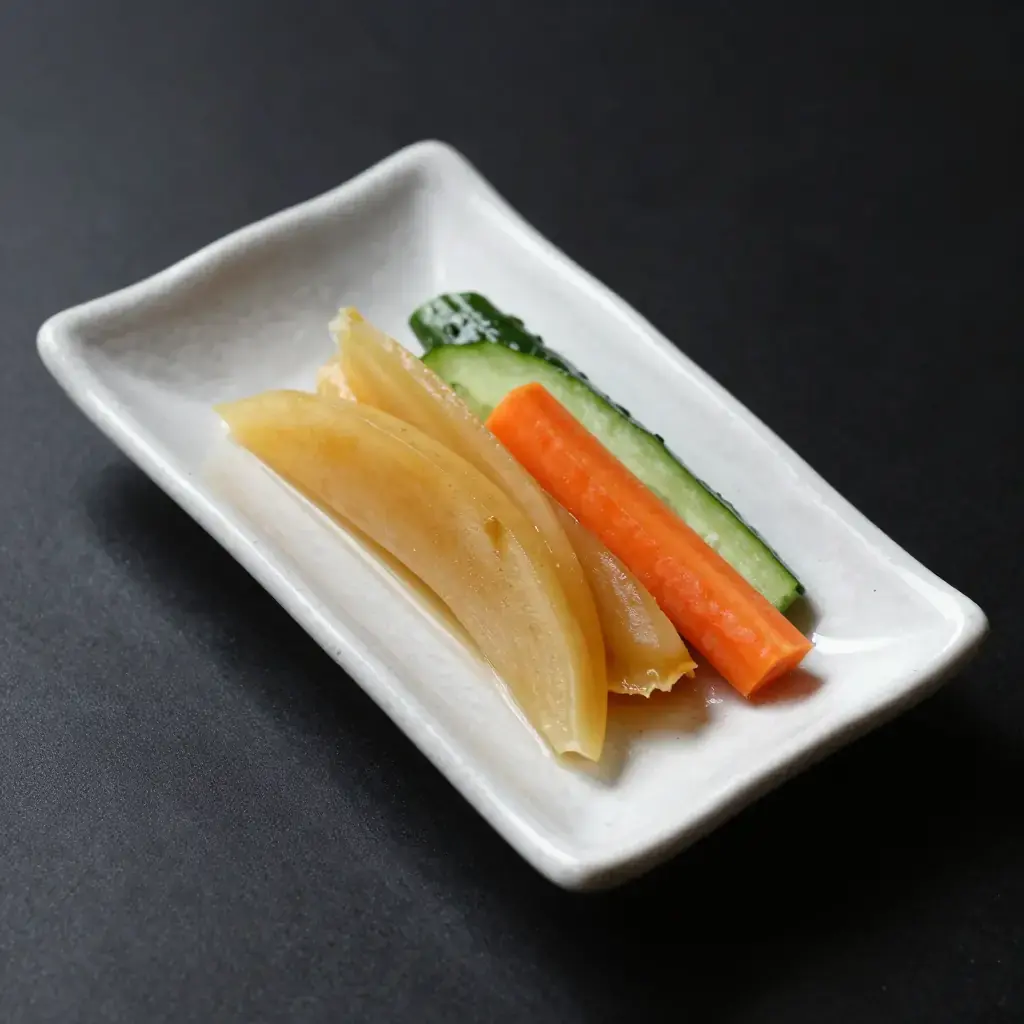
Misozuke Yasai
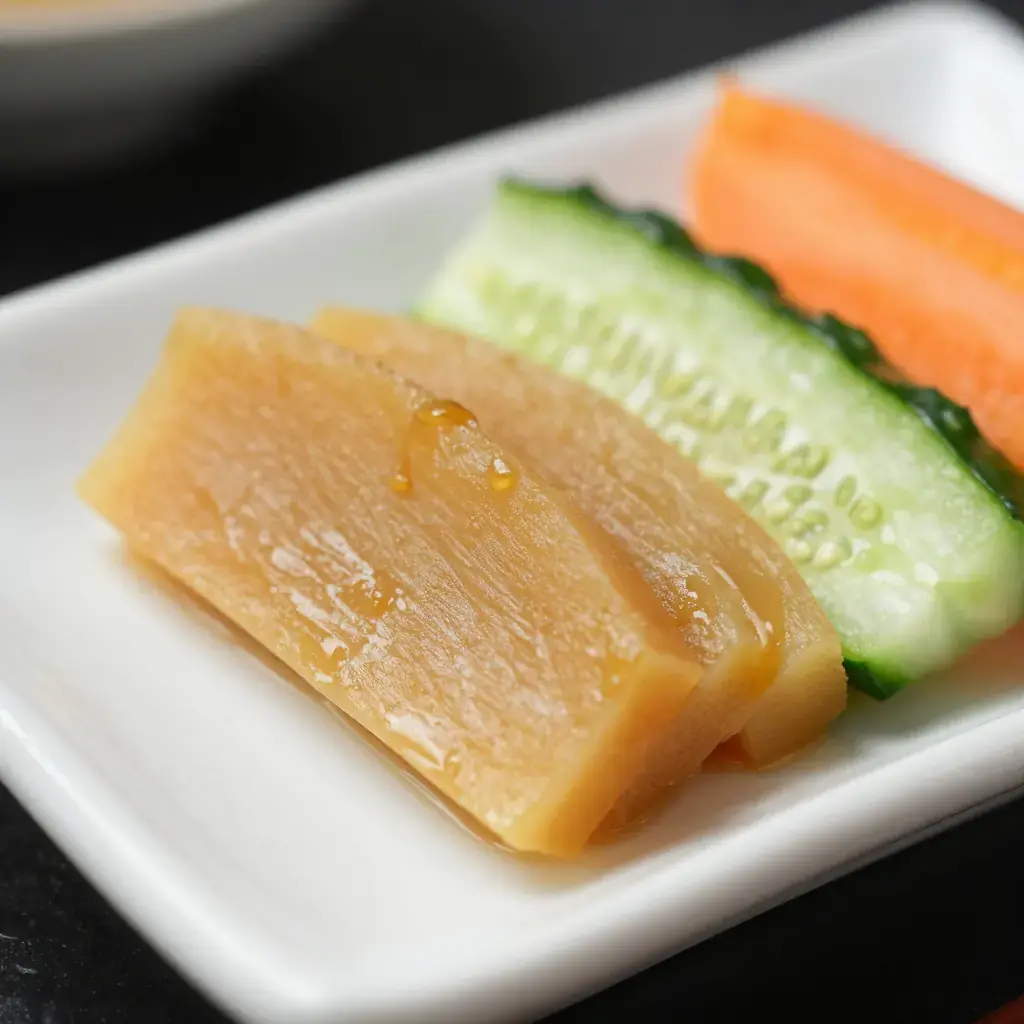
Misozuke — vegetables preserved in miso paste — is one of Japan's oldest preserving traditions, with origins stretching back to the Nara period (710–794 CE). Miso acts as a salting agent, a flavour carrier, and a fermentation medium: its enzymes slowly penetrate vegetables over one to seven days, imparting deep umami and gentle sweetness while creating a firm, pleasantly yielding texture. Every region has preferred varieties — pale shiro miso pickles in Kyoto, robust hatcho miso pickles in Aichi. These are a daily side dish (okazu) and an essential accompaniment to rice. No brine or vinegar is involved — just miso, vegetables, and time.
Serves: 4 (as a side dish)
Ingredients
- 300 g (10 oz) mixed vegetables: cucumber, daikon radish, carrot, or turnip
- 300 g (10 oz) white shiro miso or awase miso
- 2 tablespoons mirin
- 1 tablespoon sake
- 1 tablespoon sugar (optional, for a sweeter pickle)
Instructions
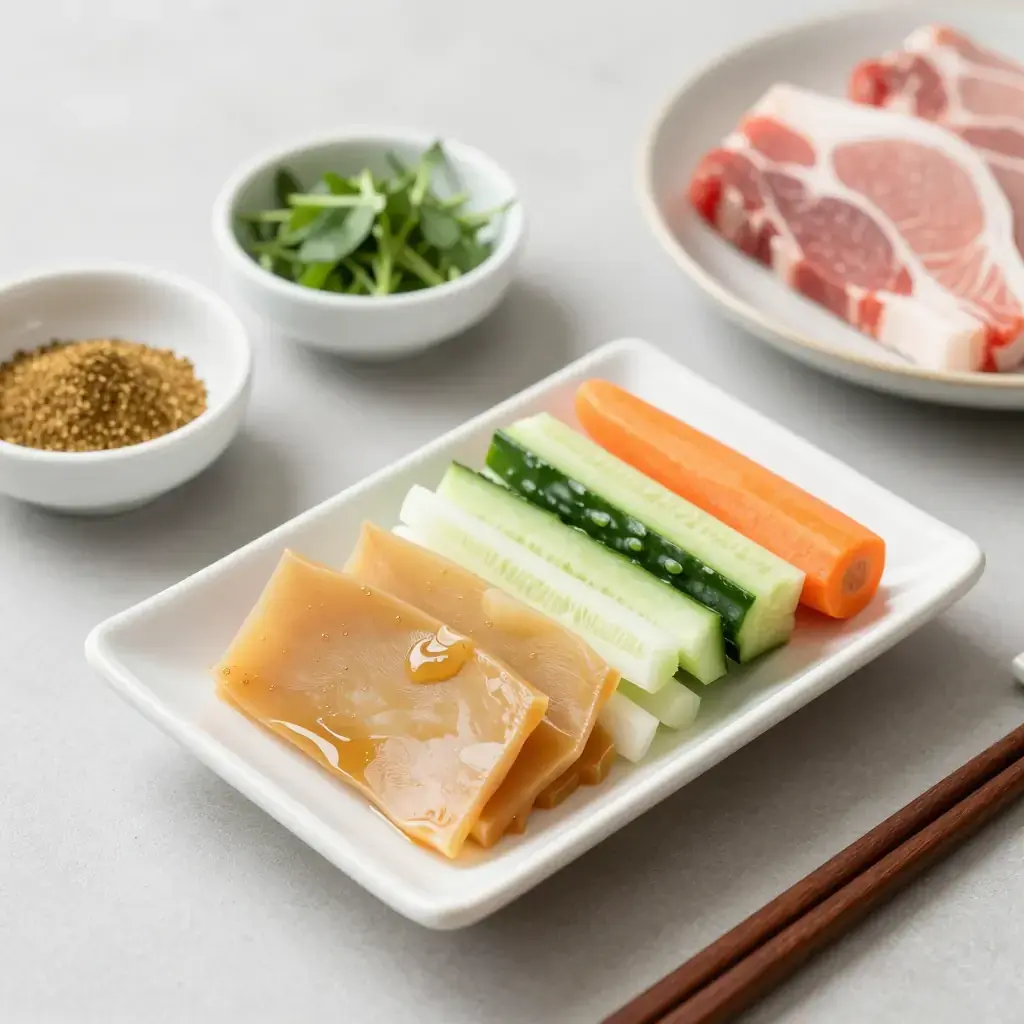
- Cut cucumber lengthways and remove seeds. Cut daikon and carrot into sticks about 8 cm (3 in) long and 1.5 cm (⅝ in) thick. Pat all vegetables completely dry with paper towels — surface moisture weakens the miso bed.
- Stir together miso, mirin, sake, and sugar until smooth and spreadable.
- Spread a 1 cm (½ in) layer of miso paste in a non-reactive glass or ceramic container. Lay vegetables in a single layer, then cover completely with more miso. All vegetables must be fully encased.
- Quick pickle (24 hours): Cover and refrigerate. After 24 hours, vegetables will be lightly pickled with mild, sweet-savoury flavour.
- Deep pickle (3–7 days): For a more complex, umami-rich result with firmer texture, leave in the miso bed for up to 7 days at refrigerator temperature, tasting daily.
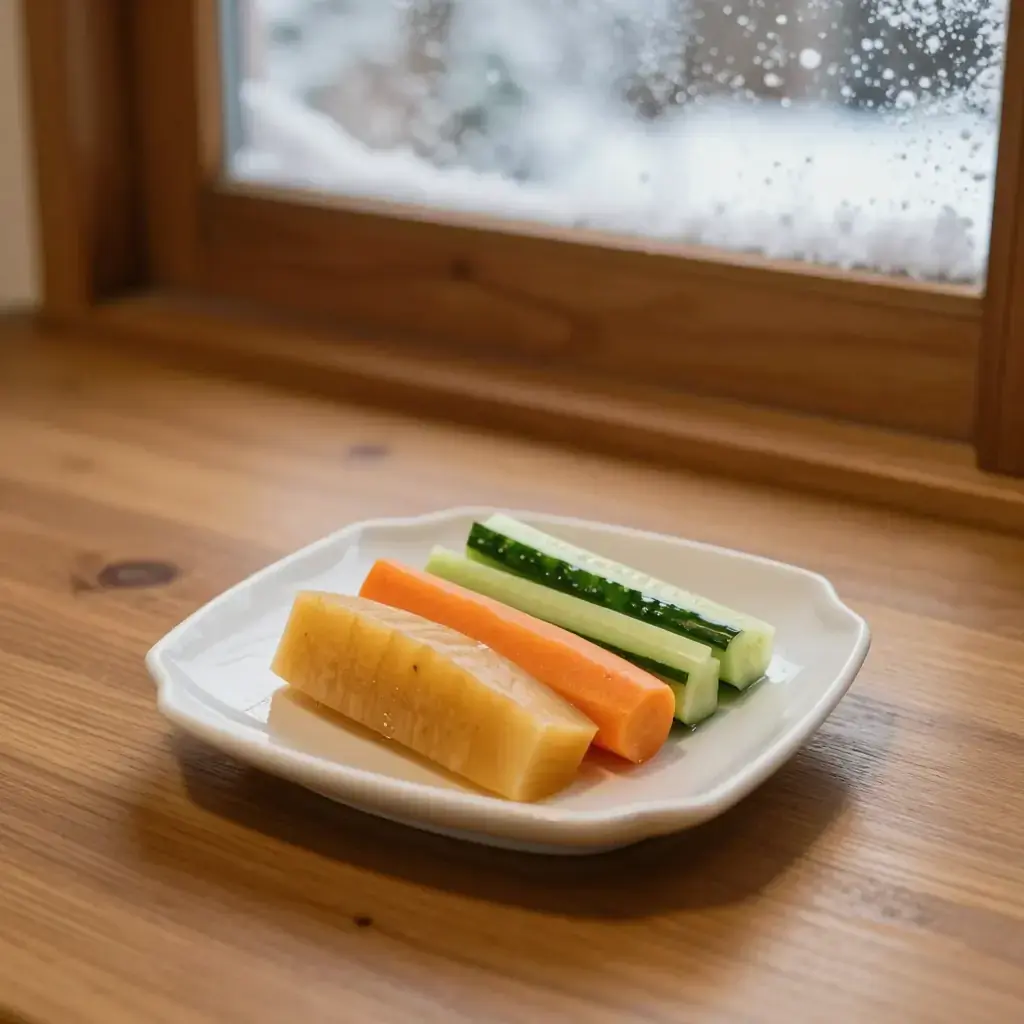
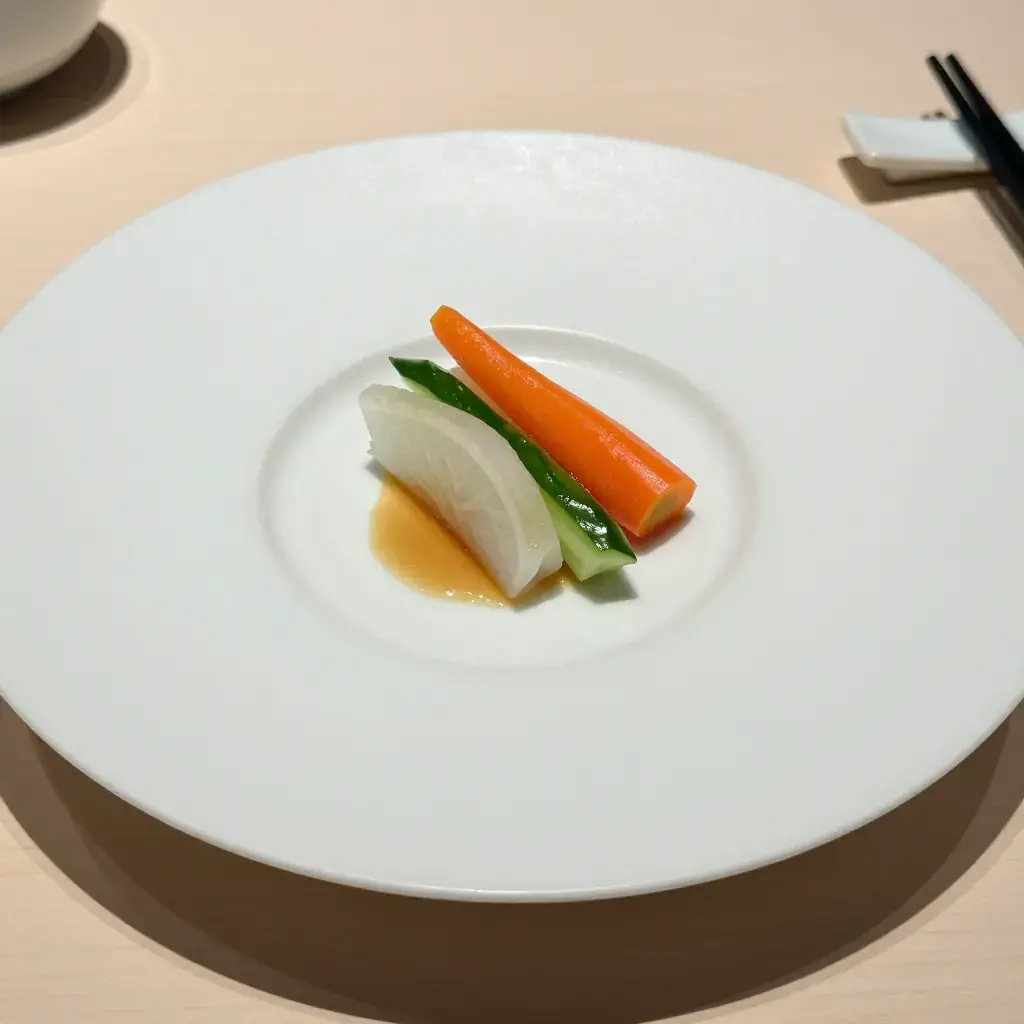
- To serve: remove vegetables from miso and wipe off excess gently with your fingers — do not rinse. Slice thinly on the diagonal and arrange on a small plate alongside steamed rice.
- The used miso bed can be refreshed with a little fresh miso and reused for another batch, deepening in flavour over time.
Cook's Notes: Harder vegetables like daikon and carrot benefit from longer pickling; cucumber is best after 1–3 days only. The miso bed keeps refrigerated for up to 1 month. Avoid very high water-content vegetables such as tomatoes.
All Revisions
generated
# Misozuke Yasai Misozuke — vegetables preserved in miso paste — is one of Japan's oldest preserving traditions, with origins stretching back to the Nara period (710–794 CE). Miso acts as a salting agent, a flavour carrier, and a fermentation medium: its enzymes slowly penetrate vegetables over one to seven days, imparting deep umami and gentle sweetness while creating a firm, pleasantly yielding texture. Every region has preferred varieties — pale shiro miso pickles in Kyoto, robust hatcho miso pickles in Aichi. These are a daily side dish (okazu) and an essential accompaniment to rice. No brine or vinegar is involved — just miso, vegetables, and time. Serves: 4 (as a side dish) ## Ingredients - 300 g (10 oz) mixed vegetables: cucumber, daikon radish, carrot, or turnip - 300 g (10 oz) white shiro miso or awase miso - 2 tablespoons mirin - 1 tablespoon sake - 1 tablespoon sugar (optional, for a sweeter pickle) ## Instructions 1. Cut cucumber lengthways and remove seeds. Cut daikon and carrot into sticks about 8 cm (3 in) long and 1.5 cm (⅝ in) thick. Pat all vegetables completely dry with paper towels — surface moisture weakens the miso bed. 2. Stir together miso, mirin, sake, and sugar until smooth and spreadable. 3. Spread a 1 cm (½ in) layer of miso paste in a non-reactive glass or ceramic container. Lay vegetables in a single layer, then cover completely with more miso. All vegetables must be fully encased. 4. **Quick pickle (24 hours):** Cover and refrigerate. After 24 hours, vegetables will be lightly pickled with mild, sweet-savoury flavour. 5. **Deep pickle (3–7 days):** For a more complex, umami-rich result with firmer texture, leave in the miso bed for up to 7 days at refrigerator temperature, tasting daily. 6. To serve: remove vegetables from miso and wipe off excess gently with your fingers — do not rinse. Slice thinly on the diagonal and arrange on a small plate alongside steamed rice. 7. The used miso bed can be refreshed with a little fresh miso and reused for another batch, deepening in flavour over time. **Cook's Notes:** Harder vegetables like daikon and carrot benefit from longer pickling; cucumber is best after 1–3 days only. The miso bed keeps refrigerated for up to 1 month. Avoid very high water-content vegetables such as tomatoes.Images
Tags
- authentic
- dairy-free
- fermented
- from-input
- japanese
- nut-free
- snack
- vegan
- vegetarian