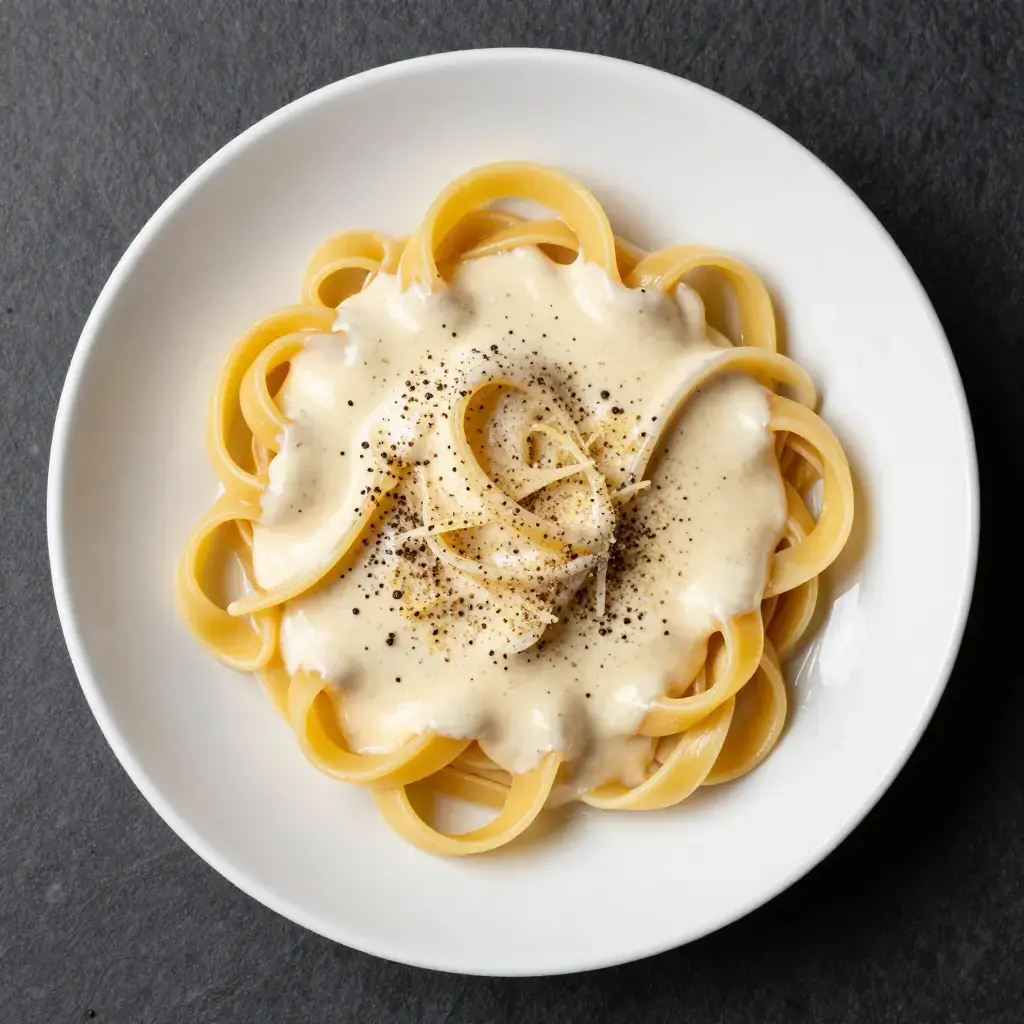
Cacio e Pepe
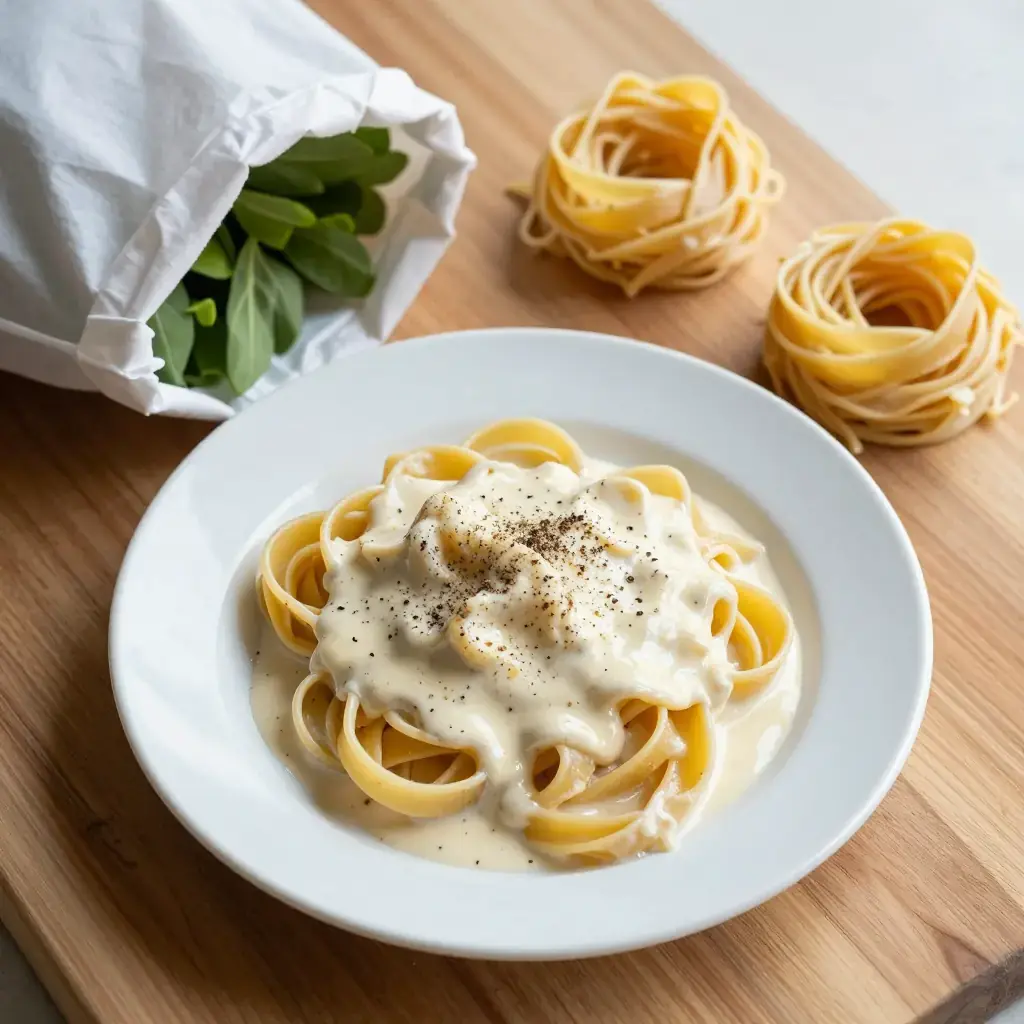
Cacio e pepe — "cheese and pepper" — is Rome's most austere and most demanding pasta dish. It contains only three ingredients beyond the pasta itself: Pecorino Romano, black pepper, and pasta cooking water. The technique of emulsifying cheese and starchy water into a silky, clinging sauce with no cream, no butter (in the strictest version), and no help from anything else is one of cooking's great tests of skill. The dish originated with Roman shepherds who carried aged cheese and dried pasta on seasonal migrations — ingredients that required no refrigeration.
Serves: 4
Ingredients
- 400 g (14 oz) tonnarelli or spaghetti
- 120 g (4 oz) Pecorino Romano, finely grated on a microplane, plus more to serve
- 40 g (1.5 oz) Parmigiano Reggiano, finely grated
- 2 tsp whole black peppercorns
- Salt for pasta water
Instructions
- Toast peppercorns in a dry wide skillet over medium heat 2–3 minutes until fragrant. Coarsely crush with a mortar and pestle or the bottom of a pan — you want varied sizes, not a fine powder.
- Bring a large pot of lightly salted water to a boil (use less salt than usual — Pecorino is very salty). Cook pasta until 2 minutes before al dente; reserve 480 ml (2 cups) pasta water before draining.
- Toast crushed pepper in the skillet over medium heat 1 minute. Add 120 ml (1/2 cup) pasta water; simmer 1 minute.
- Add pasta to the skillet. Toss constantly over medium heat 1–2 minutes, adding pasta water gradually to keep things saucy.
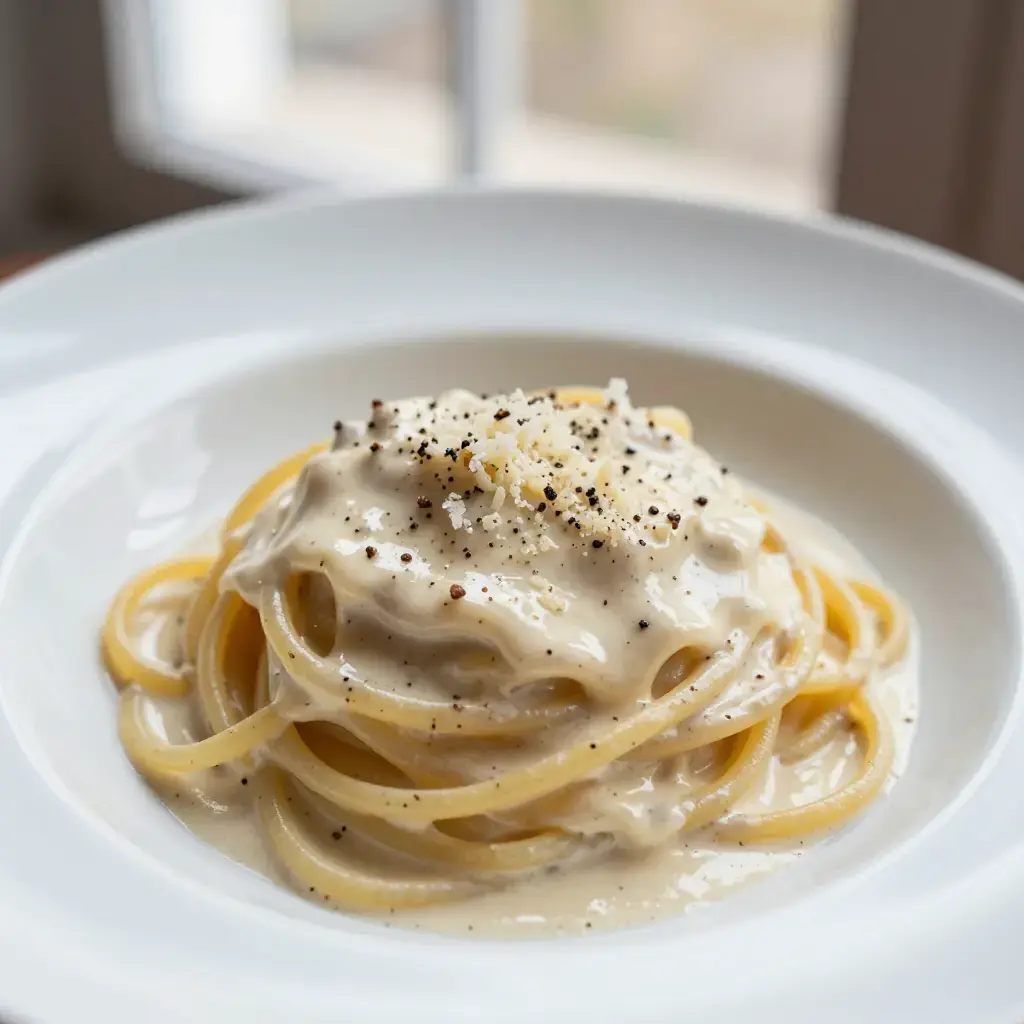
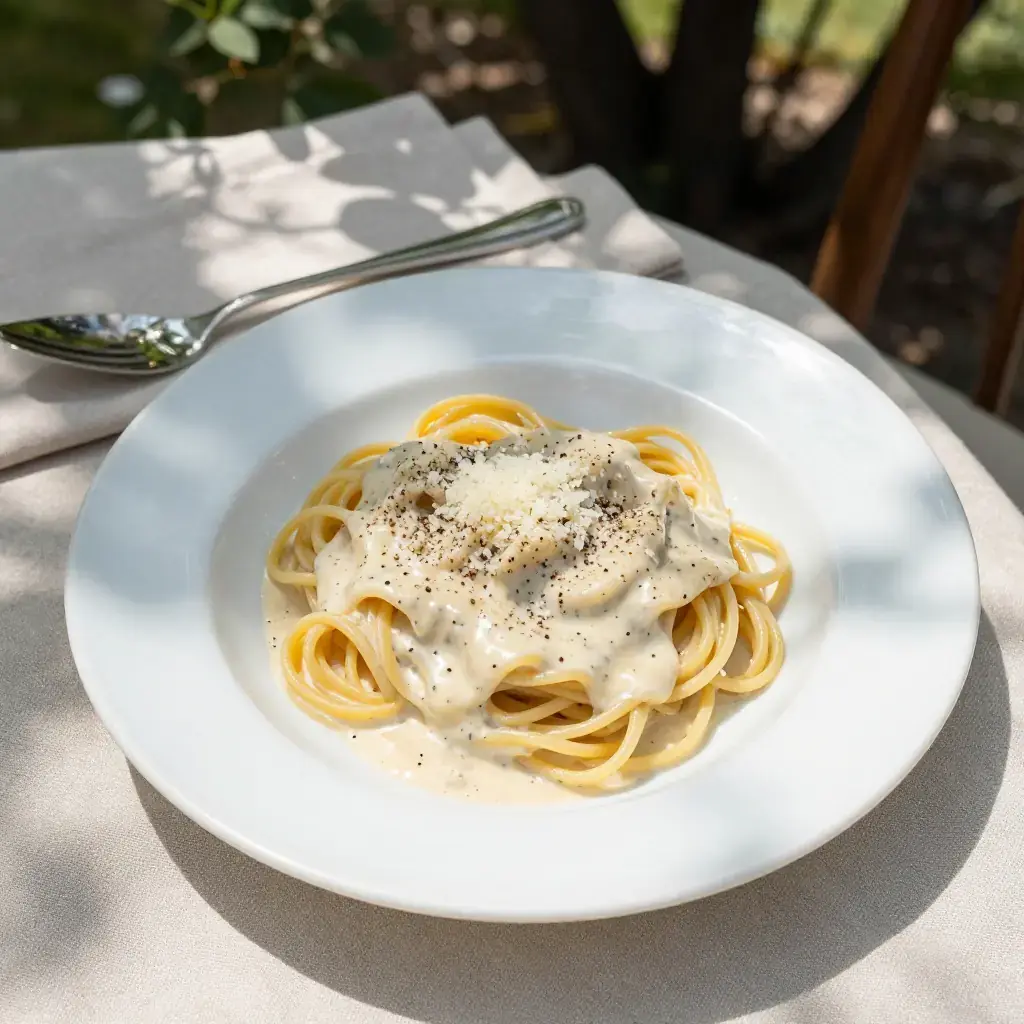
- Remove skillet from heat. Mix grated cheeses together. Add cheese in three additions, tossing vigorously and adding splashes of pasta water between additions, until a smooth, glossy sauce coats every strand. Work quickly.
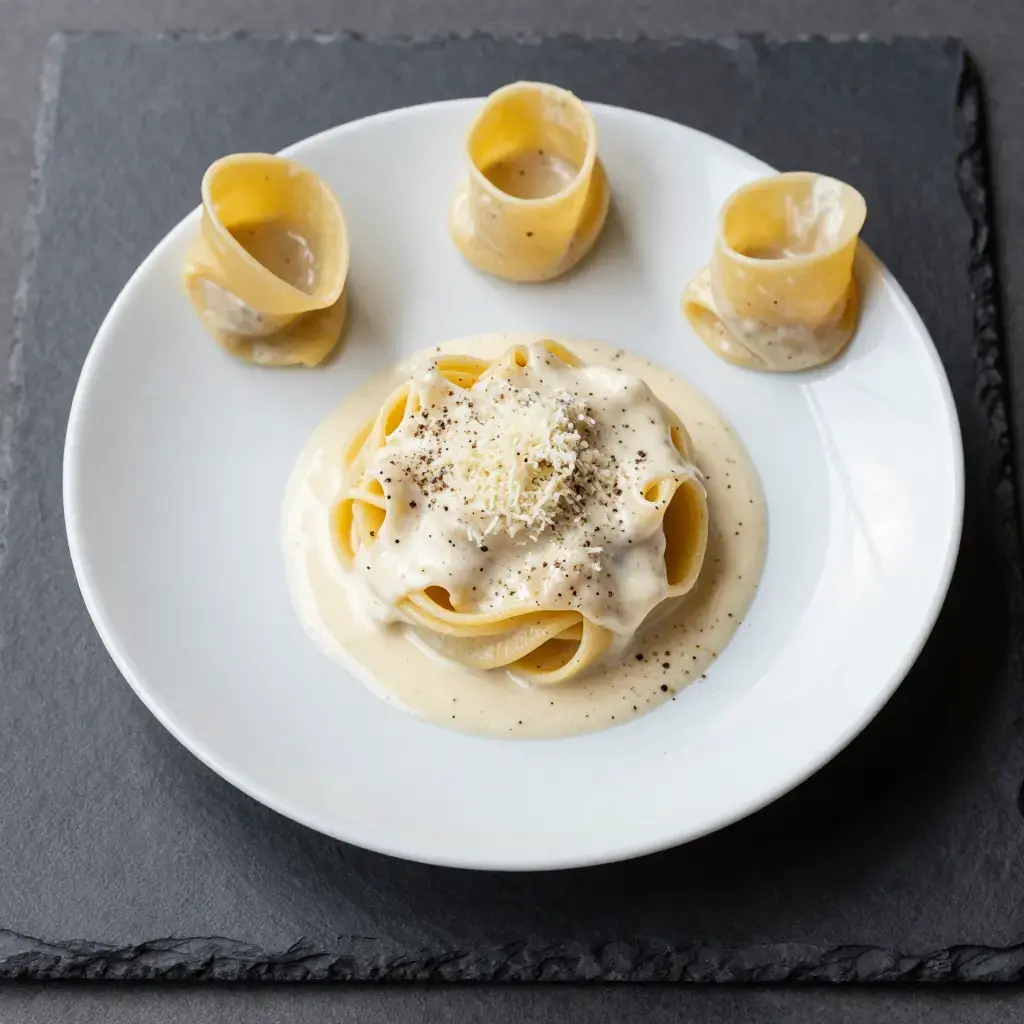
- Plate immediately and serve with extra Pecorino.
Cook's Notes: Temperature control is everything — if the pan is too hot when you add the cheese, it will clump instead of melting. The off-heat method is forgiving and reliable. Microplane-grated cheese dissolves far more smoothly than coarsely grated.
All Revisions
generated
# Cacio e Pepe Cacio e pepe — "cheese and pepper" — is Rome's most austere and most demanding pasta dish. It contains only three ingredients beyond the pasta itself: Pecorino Romano, black pepper, and pasta cooking water. The technique of emulsifying cheese and starchy water into a silky, clinging sauce with no cream, no butter (in the strictest version), and no help from anything else is one of cooking's great tests of skill. The dish originated with Roman shepherds who carried aged cheese and dried pasta on seasonal migrations — ingredients that required no refrigeration. Serves: 4 ## Ingredients - 400 g (14 oz) tonnarelli or spaghetti - 120 g (4 oz) Pecorino Romano, finely grated on a microplane, plus more to serve - 40 g (1.5 oz) Parmigiano Reggiano, finely grated - 2 tsp whole black peppercorns - Salt for pasta water ## Instructions 1. Toast peppercorns in a dry wide skillet over medium heat 2–3 minutes until fragrant. Coarsely crush with a mortar and pestle or the bottom of a pan — you want varied sizes, not a fine powder. 2. Bring a large pot of lightly salted water to a boil (use less salt than usual — Pecorino is very salty). Cook pasta until 2 minutes before al dente; reserve 480 ml (2 cups) pasta water before draining. 3. Toast crushed pepper in the skillet over medium heat 1 minute. Add 120 ml (1/2 cup) pasta water; simmer 1 minute. 4. Add pasta to the skillet. Toss constantly over medium heat 1–2 minutes, adding pasta water gradually to keep things saucy. 5. Remove skillet from heat. Mix grated cheeses together. Add cheese in three additions, tossing vigorously and adding splashes of pasta water between additions, until a smooth, glossy sauce coats every strand. Work quickly. 6. Plate immediately and serve with extra Pecorino. **Cook's Notes:** Temperature control is everything — if the pan is too hot when you add the cheese, it will clump instead of melting. The off-heat method is forgiving and reliable. Microplane-grated cheese dissolves far more smoothly than coarsely grated.Images
Tags
- authentic
- comfort-food
- dinner
- from-input
- italian
- noodles
- nut-free
- quick-and-easy
- vegetarian