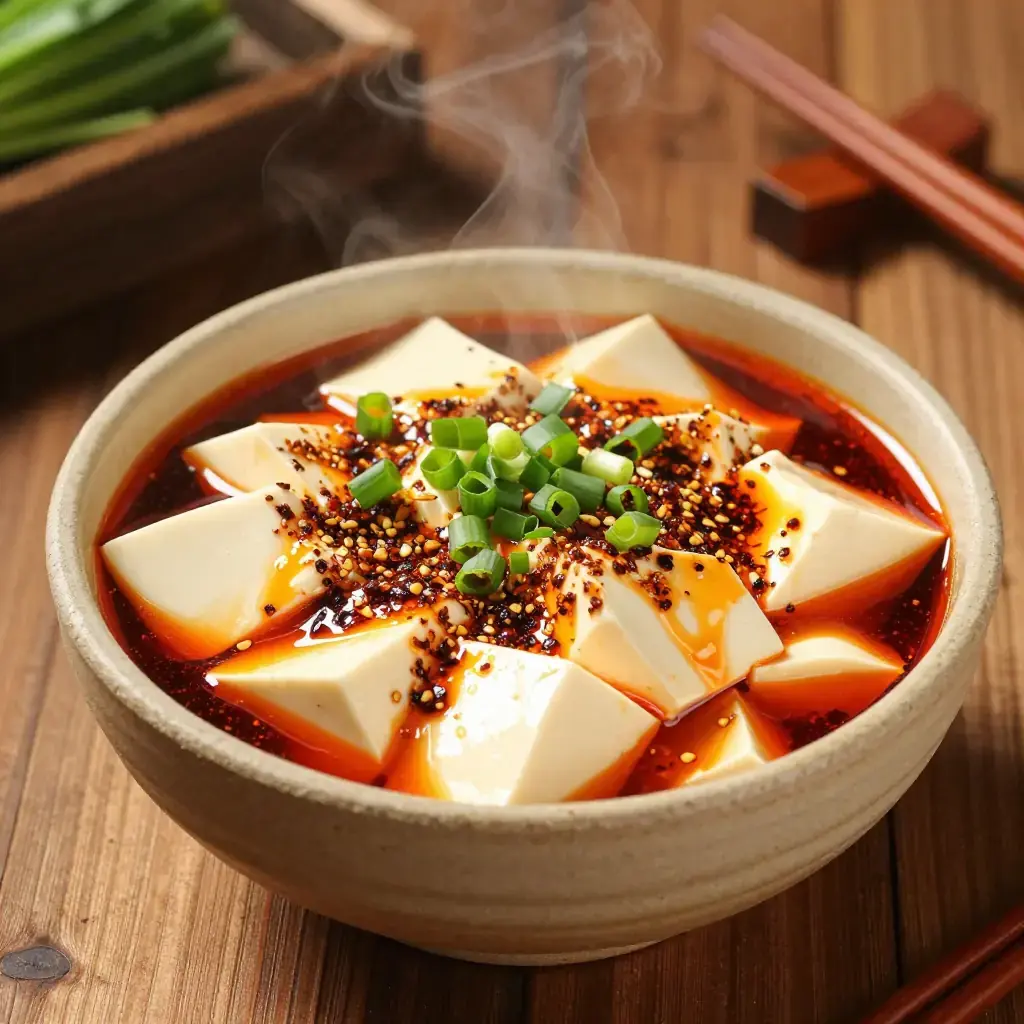
Mapo Tofu
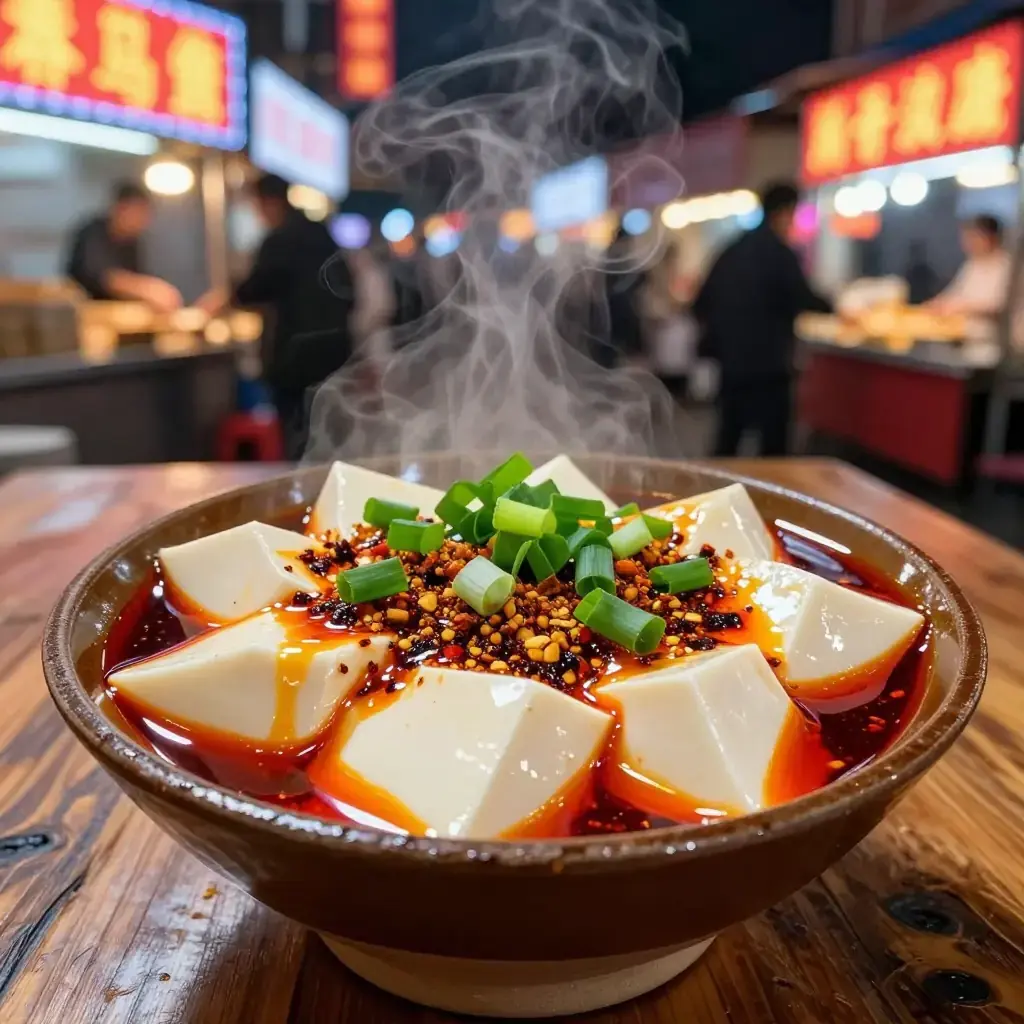
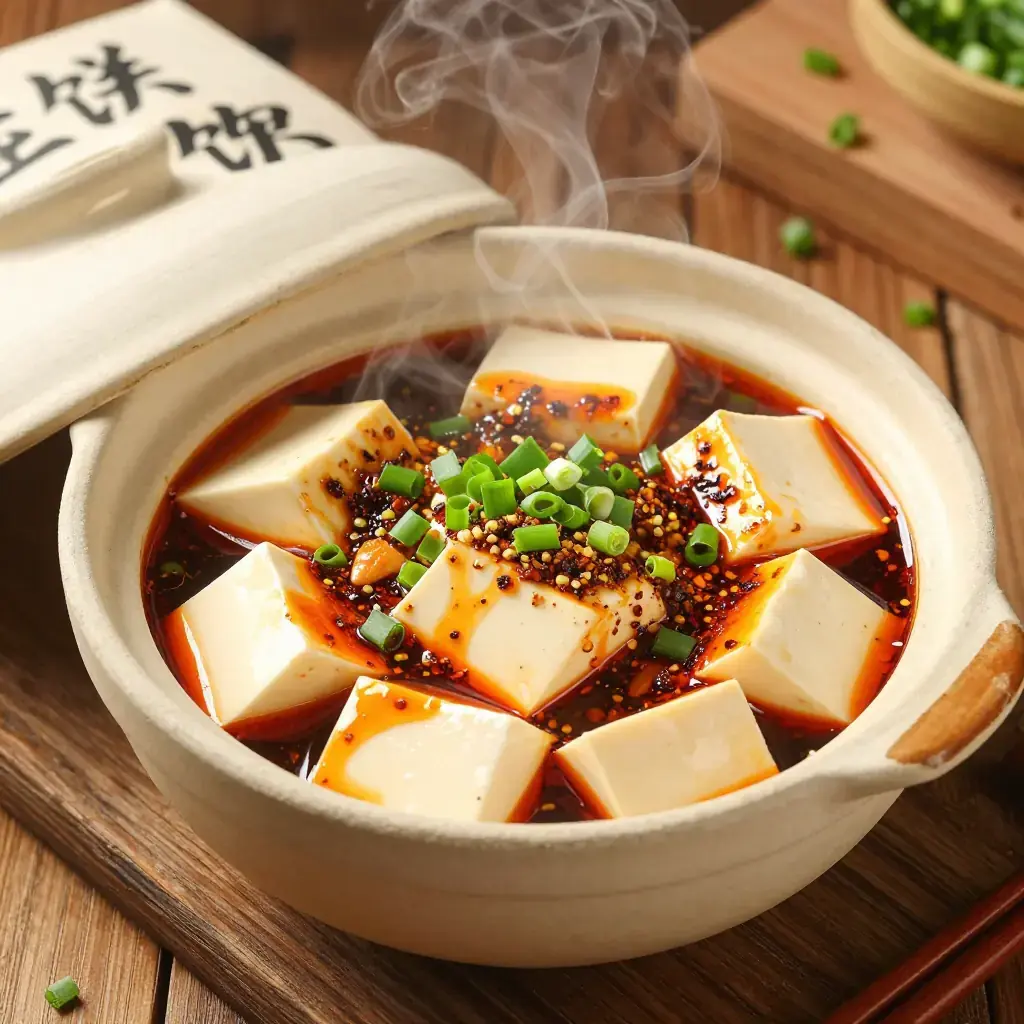
One of Sichuan cuisine's most iconic dishes, mapo tofu dates to the Qing dynasty and is named after a pockmarked (ma) old woman (po) who allegedly created it in Chengdu. The combination of doubanjiang fermented bean paste, numbing Sichuan peppercorns, and silken tofu produces the cuisine's signature mala (numbing-hot) sensation. This vegetarian version omits the traditional ground pork while losing none of the fire.
Serves: 4
Ingredients
- 600g (1.3 lb) silken or soft tofu, cut into 2cm cubes
- 3 tbsp doubanjiang (Pixian fermented chili bean paste)
- 2 tbsp fermented black beans (douchi), roughly chopped
- 4 garlic cloves, minced
- 2cm (1 inch) fresh ginger, minced
- 1 tsp whole Sichuan peppercorns, toasted and ground
- 240ml (1 cup) vegetable stock
- 2 tsp cornstarch mixed with 2 tbsp cold water
- 3 tbsp neutral oil
- 1 tsp sesame oil
- 3 spring onions, thinly sliced
- Steamed rice, to serve
Instructions
- Bring a pot of lightly salted water to a gentle simmer. Slide in the tofu cubes and blanch for 3 minutes to firm them slightly; drain carefully.
- Heat a wok over high heat until smoking. Add the neutral oil, then reduce heat to medium. Fry the doubanjiang and douchi for 2 minutes, stirring constantly, until the oil turns a deep brick-red.
- Add garlic and ginger; fry for 1 minute until fragrant.
- Pour in the vegetable stock and bring to a brisk simmer. Gently slide in the blanched tofu and cook for 4 minutes, spooning sauce over the cubes.
- Stir the cornstarch slurry and drizzle it in while stirring gently; simmer 1 minute until the sauce coats the tofu.
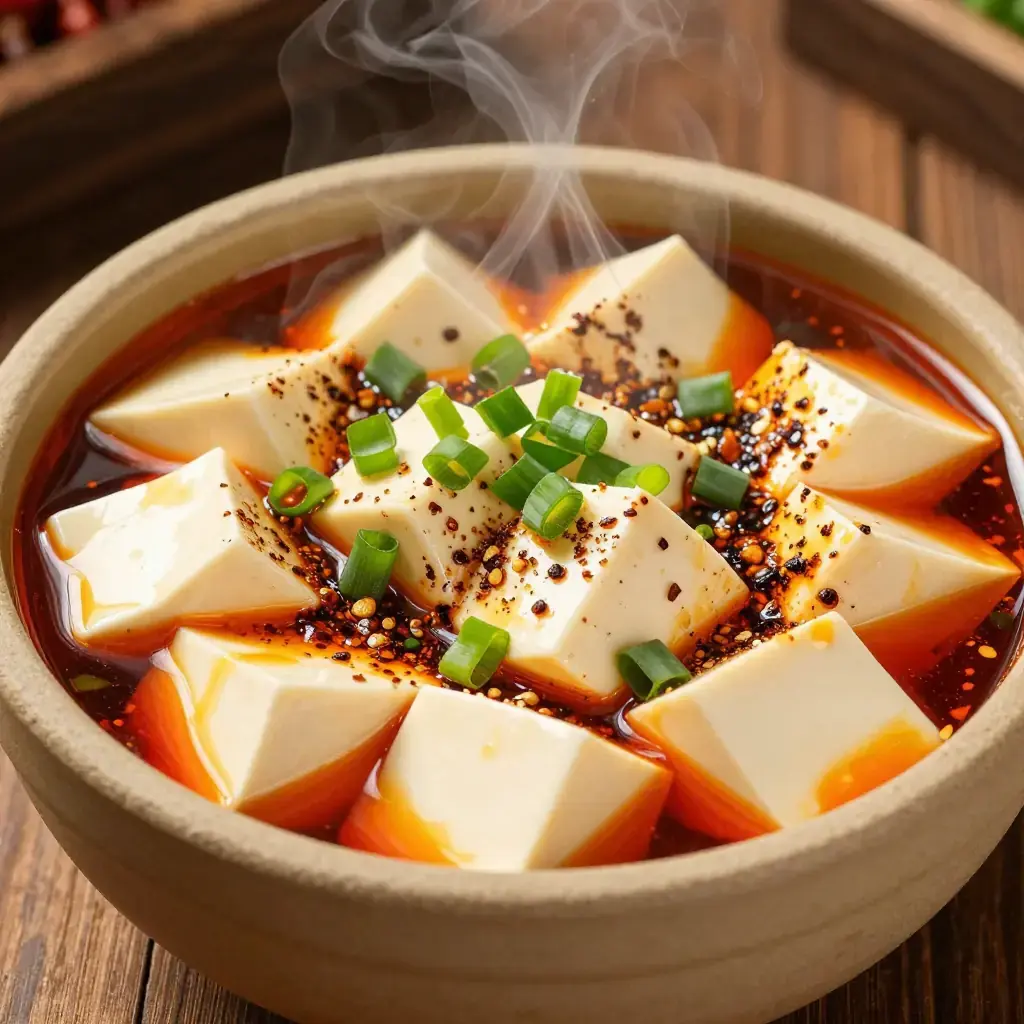
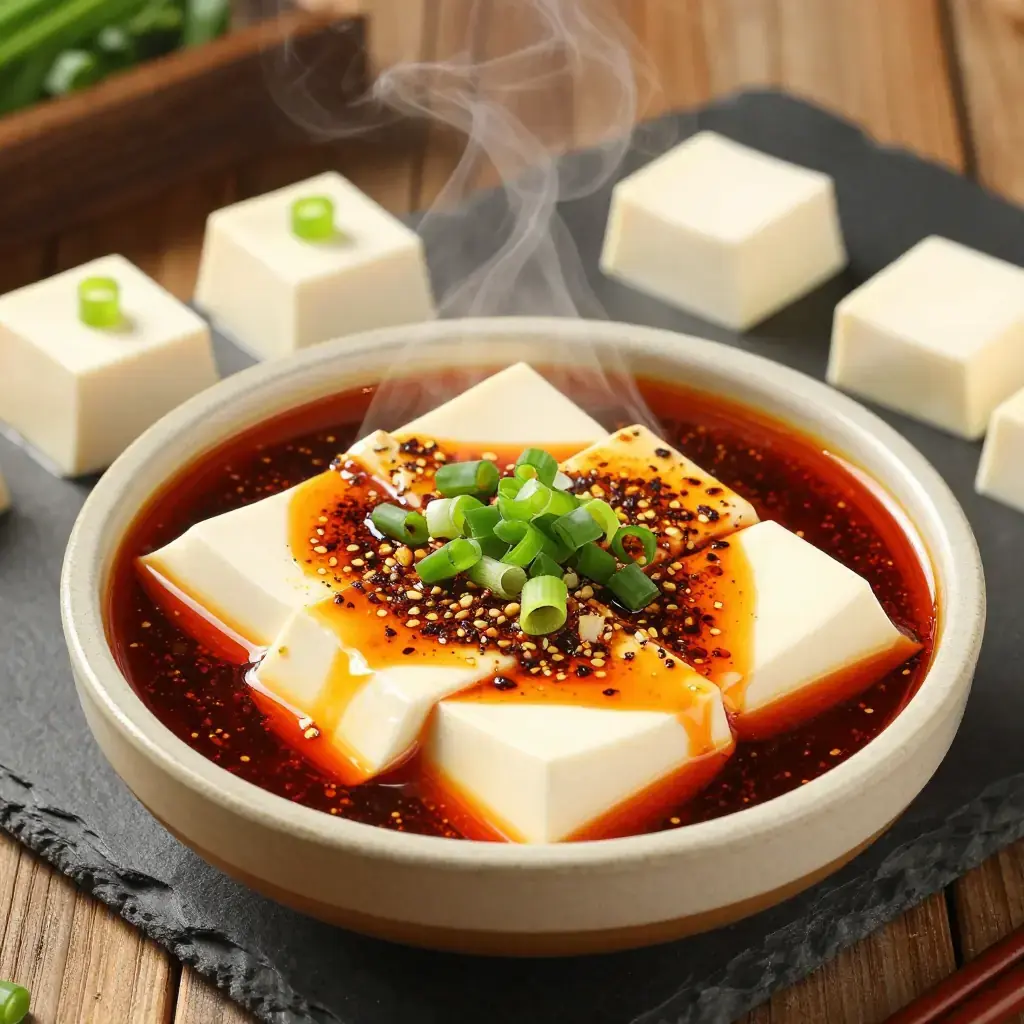
- Finish with sesame oil and half the ground Sichuan pepper. Transfer to a bowl, scatter remaining pepper and spring onions on top.
- Serve immediately over steamed rice.
Cook's Notes: Silken tofu gives the most luxurious texture but breaks easily — use a wide spatula and gentle circular motions rather than stirring. Doubanjiang varies in saltiness; taste before adding any extra salt. For extra fragrance, add a few drops of Sichuan pepper oil at the finish.
All Revisions
generated
# Mapo Tofu One of Sichuan cuisine's most iconic dishes, mapo tofu dates to the Qing dynasty and is named after a pockmarked (ma) old woman (po) who allegedly created it in Chengdu. The combination of doubanjiang fermented bean paste, numbing Sichuan peppercorns, and silken tofu produces the cuisine's signature mala (numbing-hot) sensation. This vegetarian version omits the traditional ground pork while losing none of the fire. Serves: 4 ## Ingredients - 600g (1.3 lb) silken or soft tofu, cut into 2cm cubes - 3 tbsp doubanjiang (Pixian fermented chili bean paste) - 2 tbsp fermented black beans (douchi), roughly chopped - 4 garlic cloves, minced - 2cm (1 inch) fresh ginger, minced - 1 tsp whole Sichuan peppercorns, toasted and ground - 240ml (1 cup) vegetable stock - 2 tsp cornstarch mixed with 2 tbsp cold water - 3 tbsp neutral oil - 1 tsp sesame oil - 3 spring onions, thinly sliced - Steamed rice, to serve ## Instructions 1. Bring a pot of lightly salted water to a gentle simmer. Slide in the tofu cubes and blanch for 3 minutes to firm them slightly; drain carefully. 2. Heat a wok over high heat until smoking. Add the neutral oil, then reduce heat to medium. Fry the doubanjiang and douchi for 2 minutes, stirring constantly, until the oil turns a deep brick-red. 3. Add garlic and ginger; fry for 1 minute until fragrant. 4. Pour in the vegetable stock and bring to a brisk simmer. Gently slide in the blanched tofu and cook for 4 minutes, spooning sauce over the cubes. 5. Stir the cornstarch slurry and drizzle it in while stirring gently; simmer 1 minute until the sauce coats the tofu. 6. Finish with sesame oil and half the ground Sichuan pepper. Transfer to a bowl, scatter remaining pepper and spring onions on top. 7. Serve immediately over steamed rice. **Cook's Notes:** Silken tofu gives the most luxurious texture but breaks easily — use a wide spatula and gentle circular motions rather than stirring. Doubanjiang varies in saltiness; taste before adding any extra salt. For extra fragrance, add a few drops of Sichuan pepper oil at the finish.Images
Tags
- authentic
- comfort-food
- dinner
- from-input
- quick-and-easy
- sichuan
- tofu
- vegan
- vegetarian