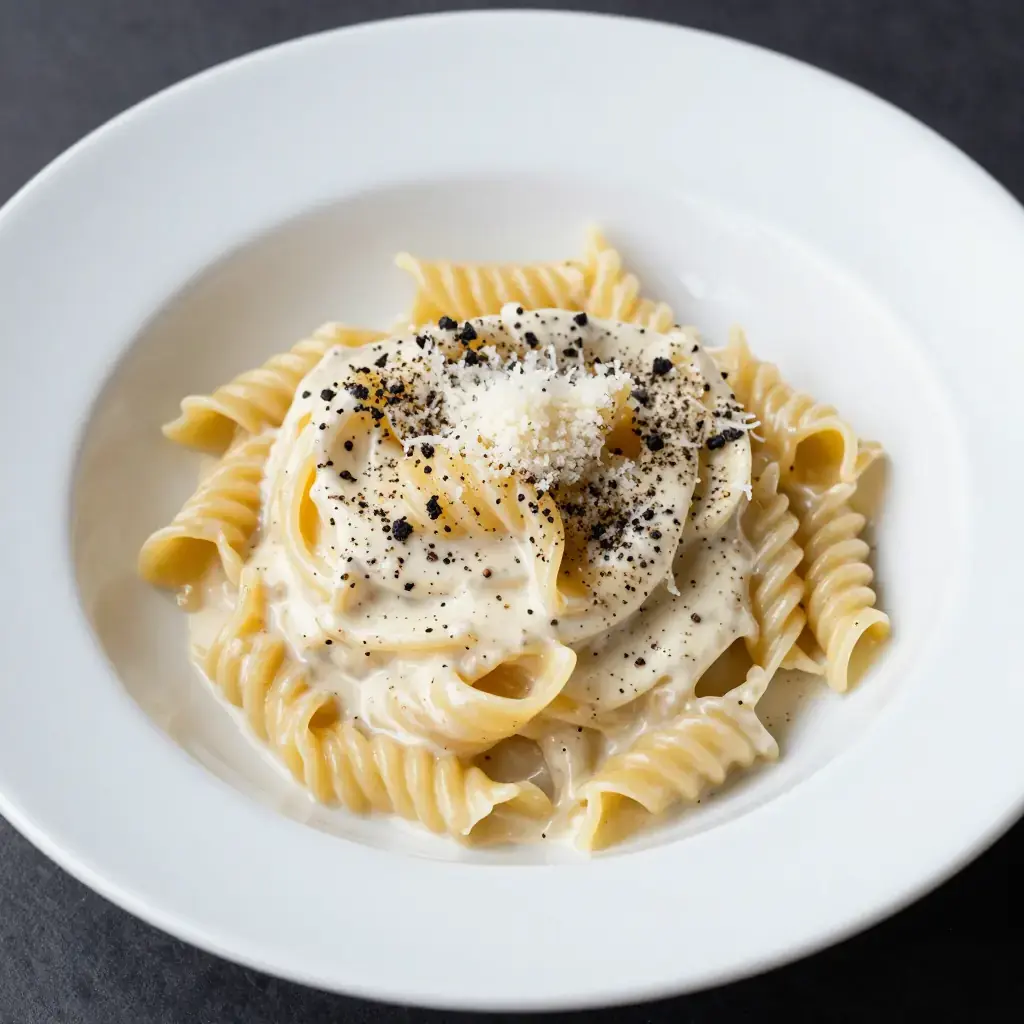
Cacio e Pepe
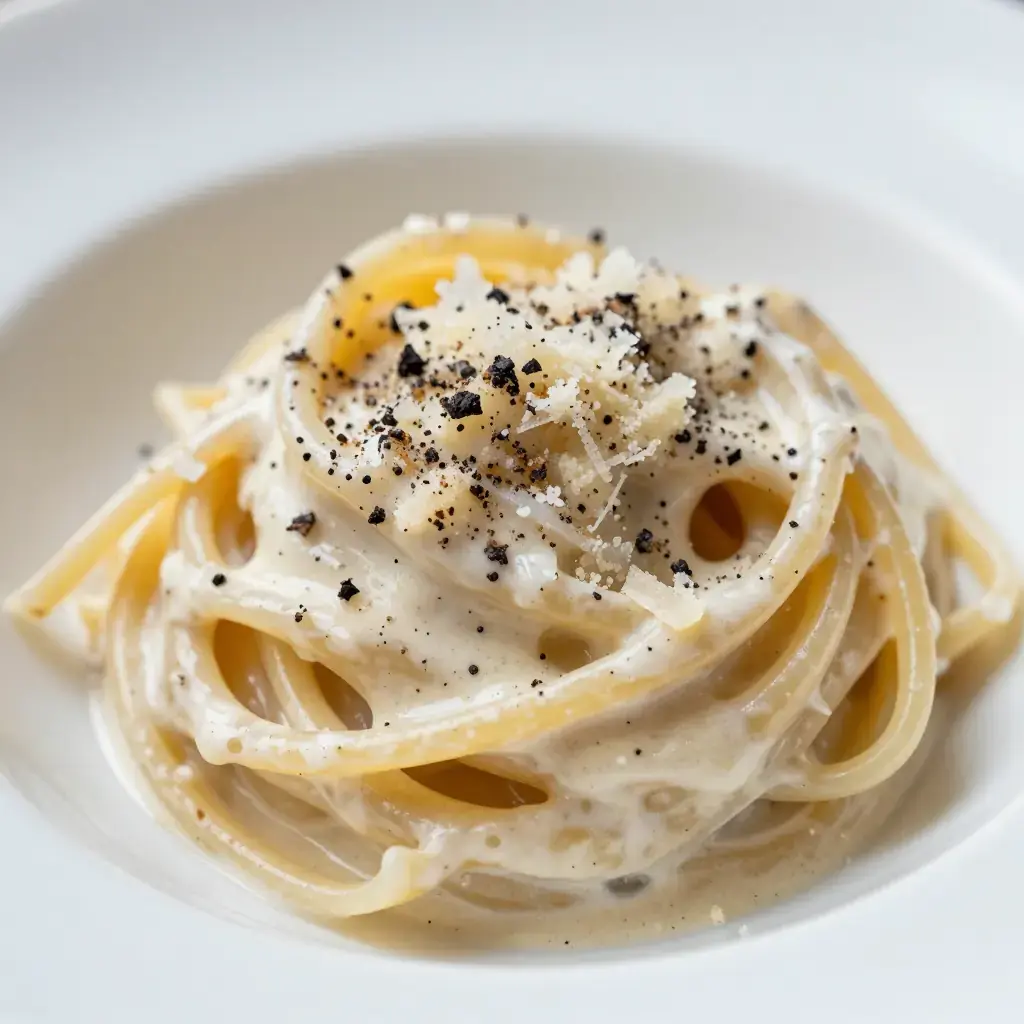
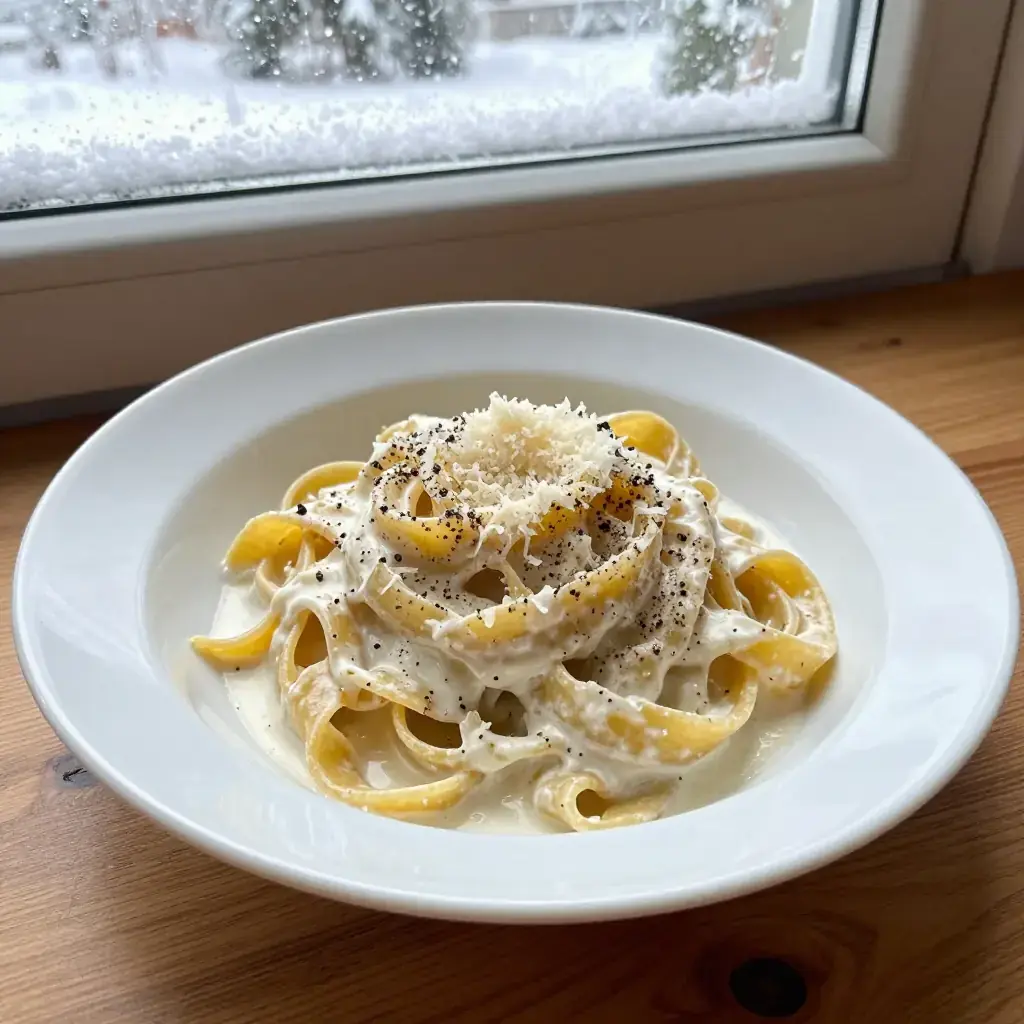
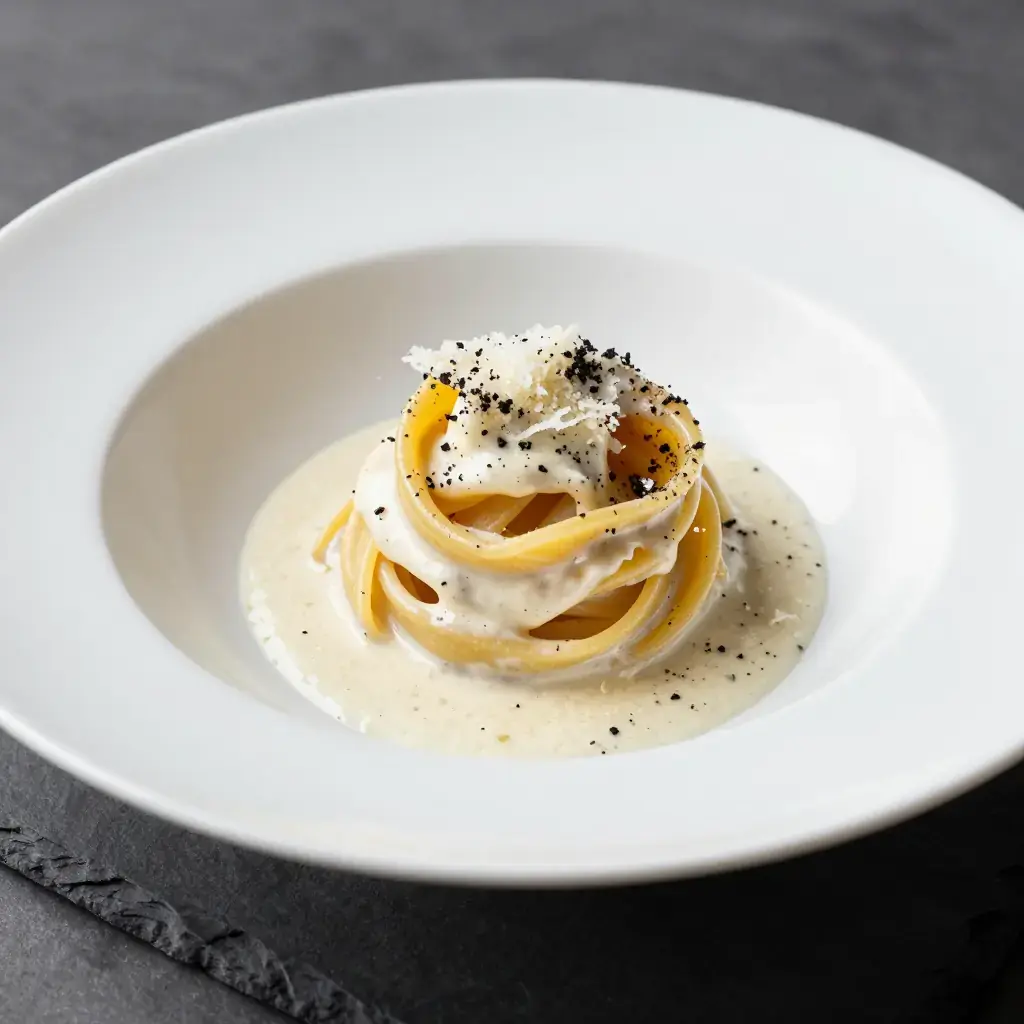
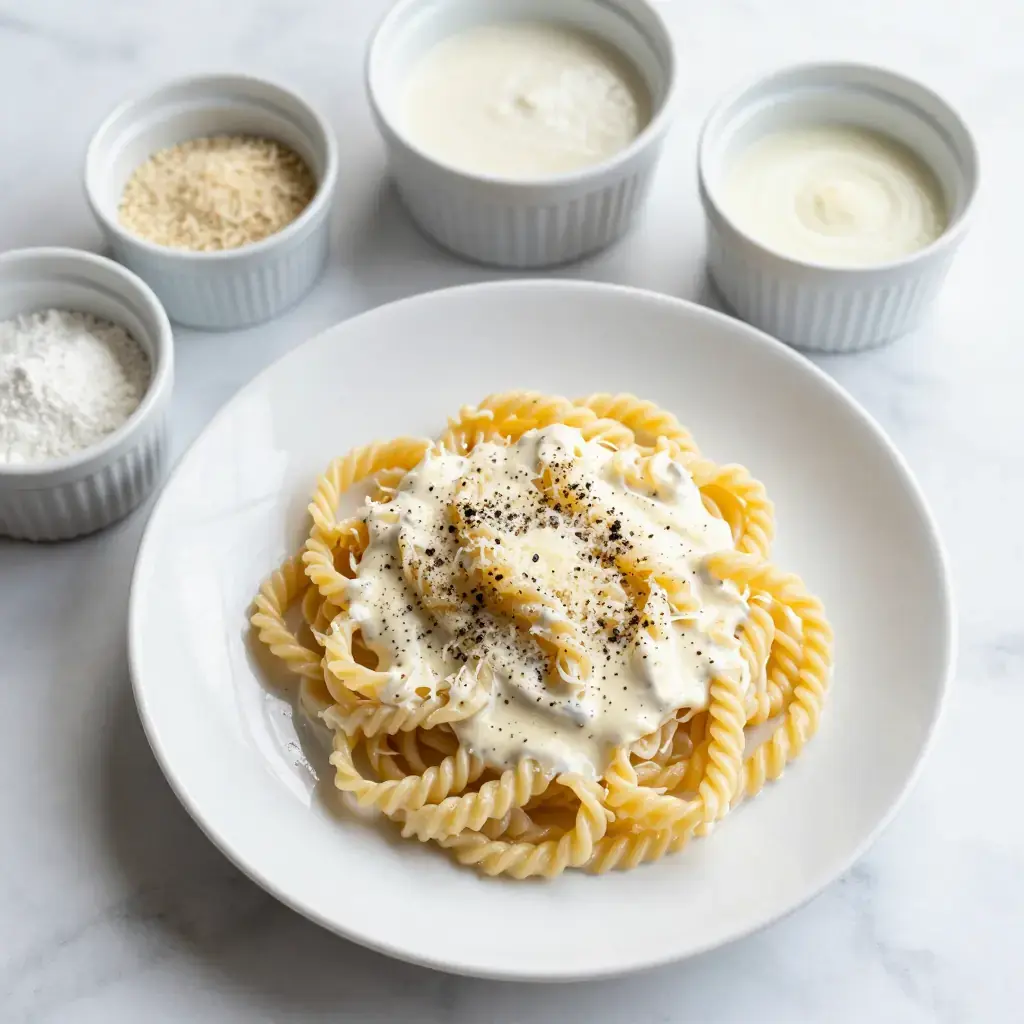
Cacio e pepe — cheese and pepper — is Roman pasta cooking at its most austere and most demanding. Three ingredients: pasta, Pecorino Romano, and black pepper. No cream, no butter in excess, no shortcuts. The technique requires emulsifying the starchy pasta water with finely grated cheese to create a sauce that coats every strand without clumping. Roman shepherds carried aged Pecorino and dried pasta on long migrations; this dish was born of those provisions and survived because it is perfect.
Serves: 4
Ingredients
- 400 g (14 oz) spaghetti or tonnarelli
- 160 g (5.5 oz) Pecorino Romano, very finely grated (microplane preferred)
- 40 g (1.5 oz) Parmigiano-Reggiano, very finely grated
- 2 tsp (5 g) whole black peppercorns
- 1 tsp (6 g) coarse salt (for pasta water)
Instructions
- Toast peppercorns in a dry large skillet over medium heat 2–3 minutes until fragrant. Crush coarsely using a mortar or the bottom of a heavy pan — you want irregular pieces, not fine powder.
- Bring a large pot of water to a boil. Salt it — but less than usual, as Pecorino is intensely salty. Cook pasta 2 minutes less than package directions.
- Reserve 500 ml (2 cups) pasta cooking water before draining. This starch-rich liquid is the sauce.
- Add crushed pepper to the skillet and toast in a drizzle of pasta water over medium heat 30 seconds.
- Add drained pasta to the skillet with 120 ml (1/2 cup) pasta water. Toss vigorously over medium heat 1–2 minutes.
- Remove skillet from heat entirely. Wait 30 seconds. Add cheese gradually while tossing and adding pasta water in small splashes until a smooth, creamy sauce forms and clings to every strand. Serve immediately.
Cook's Notes: Temperature is everything. If the pan is too hot when cheese is added, it seizes into clumps. Taking the pan off the heat before adding cheese is the single most important technique here. Grate cheese to a powder — coarser grind will not emulsify.
All Revisions
generated
# Cacio e Pepe Cacio e pepe — cheese and pepper — is Roman pasta cooking at its most austere and most demanding. Three ingredients: pasta, Pecorino Romano, and black pepper. No cream, no butter in excess, no shortcuts. The technique requires emulsifying the starchy pasta water with finely grated cheese to create a sauce that coats every strand without clumping. Roman shepherds carried aged Pecorino and dried pasta on long migrations; this dish was born of those provisions and survived because it is perfect. Serves: 4 ## Ingredients - 400 g (14 oz) spaghetti or tonnarelli - 160 g (5.5 oz) Pecorino Romano, very finely grated (microplane preferred) - 40 g (1.5 oz) Parmigiano-Reggiano, very finely grated - 2 tsp (5 g) whole black peppercorns - 1 tsp (6 g) coarse salt (for pasta water) ## Instructions 1. Toast peppercorns in a dry large skillet over medium heat 2–3 minutes until fragrant. Crush coarsely using a mortar or the bottom of a heavy pan — you want irregular pieces, not fine powder. 2. Bring a large pot of water to a boil. Salt it — but less than usual, as Pecorino is intensely salty. Cook pasta 2 minutes less than package directions. 3. Reserve 500 ml (2 cups) pasta cooking water before draining. This starch-rich liquid is the sauce. 4. Add crushed pepper to the skillet and toast in a drizzle of pasta water over medium heat 30 seconds. 5. Add drained pasta to the skillet with 120 ml (1/2 cup) pasta water. Toss vigorously over medium heat 1–2 minutes. 6. Remove skillet from heat entirely. Wait 30 seconds. Add cheese gradually while tossing and adding pasta water in small splashes until a smooth, creamy sauce forms and clings to every strand. Serve immediately. **Cook's Notes:** Temperature is everything. If the pan is too hot when cheese is added, it seizes into clumps. Taking the pan off the heat before adding cheese is the single most important technique here. Grate cheese to a powder — coarser grind will not emulsify.Images
Tags
- 5-ingredient
- authentic
- dinner
- from-input
- historical
- italian
- quick-and-easy
- vegetarian