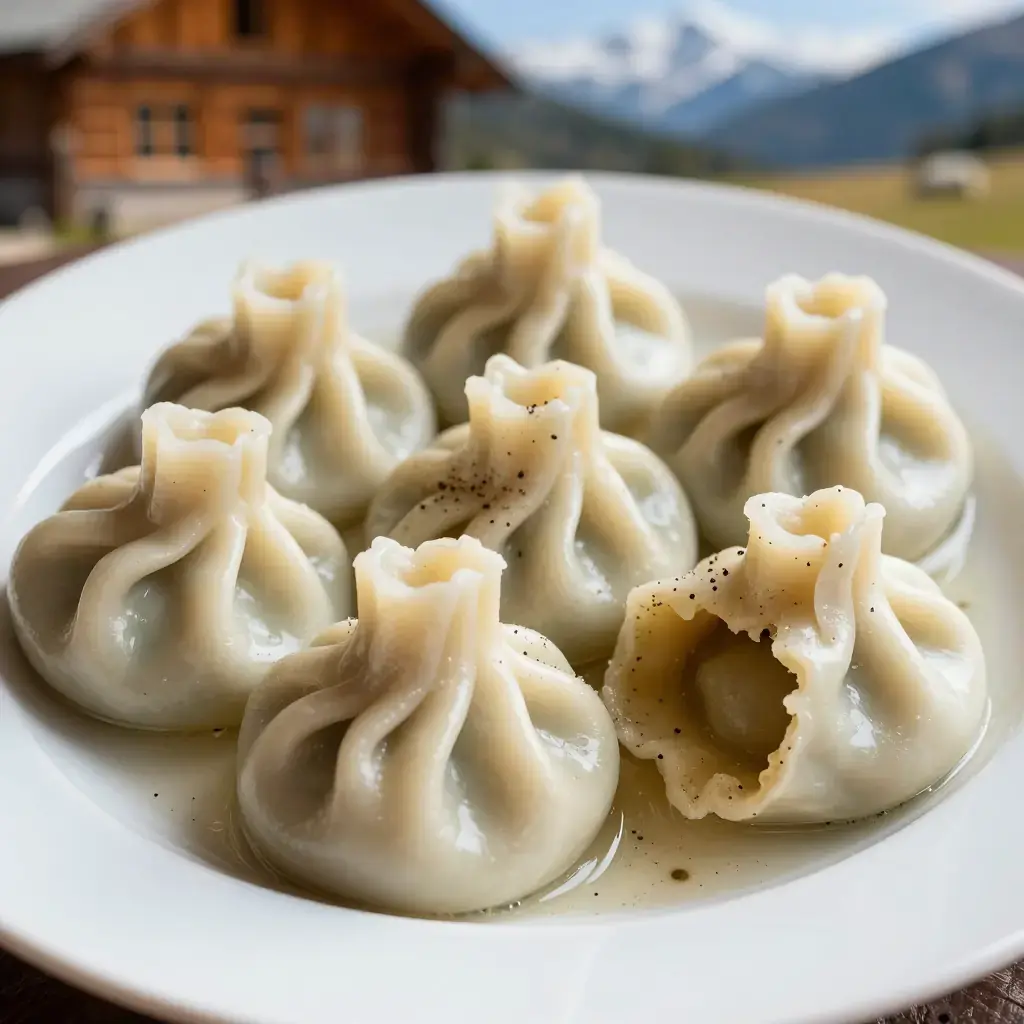
Khinkali
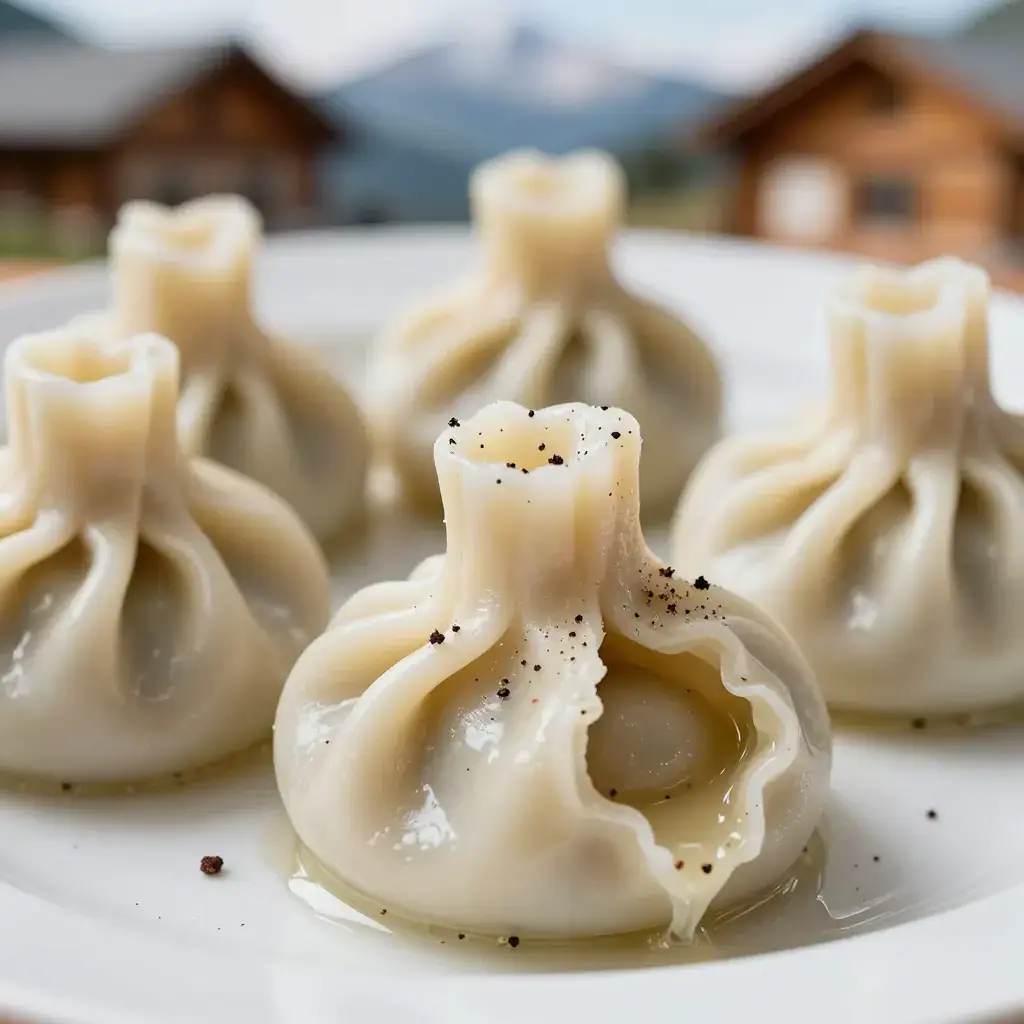
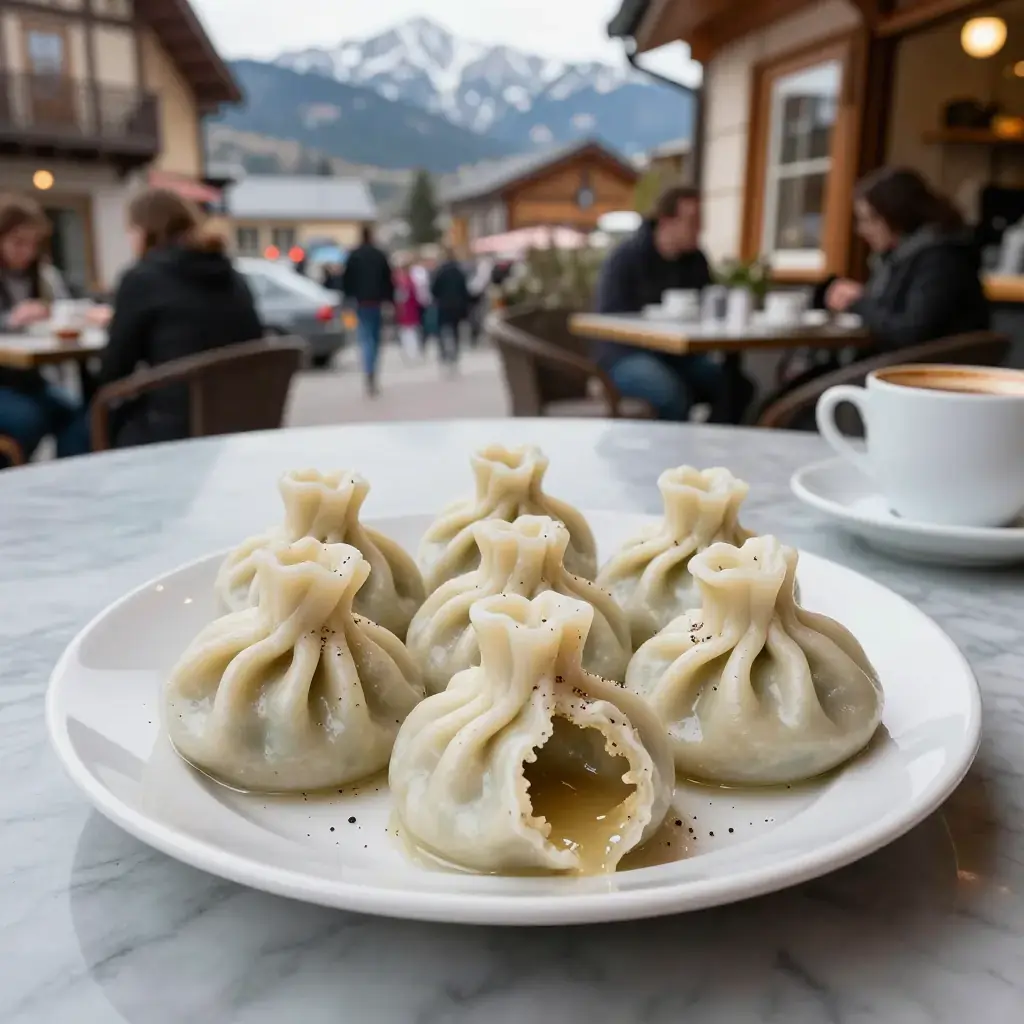
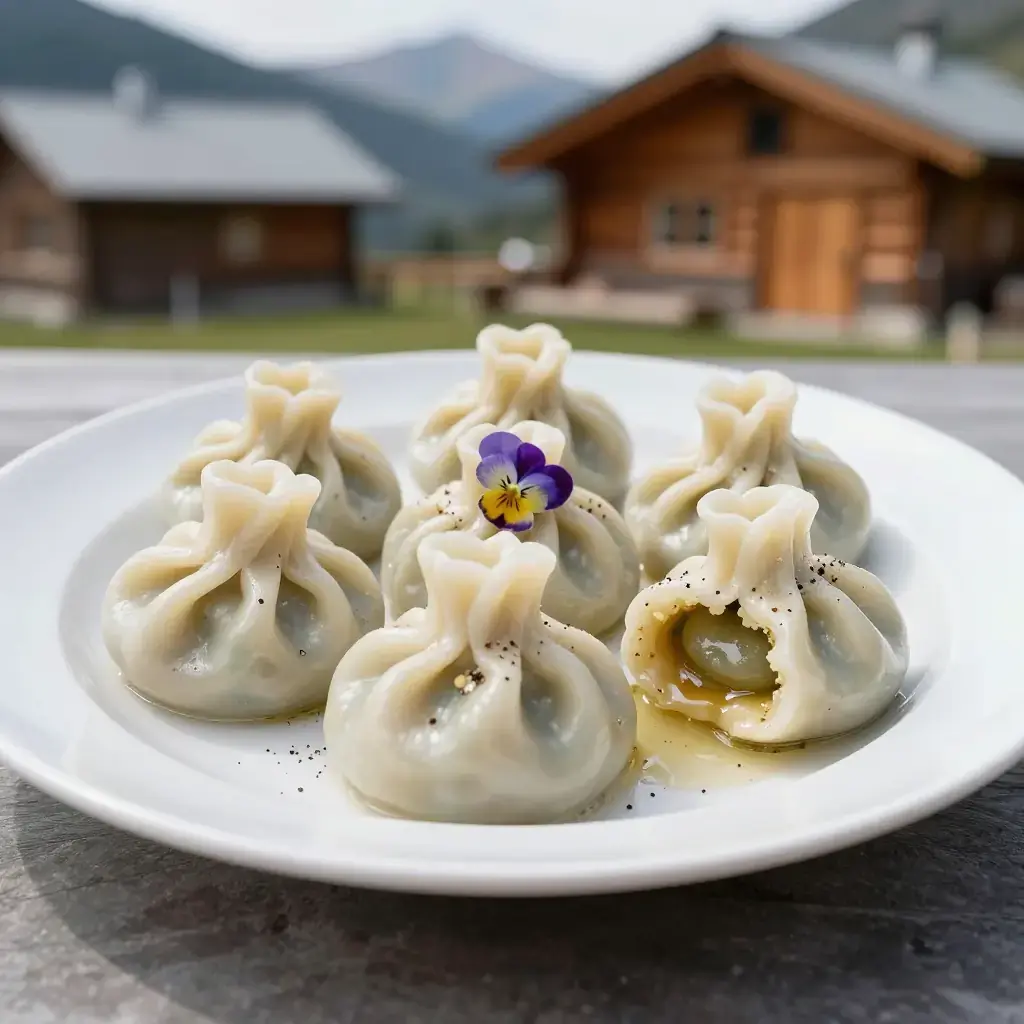
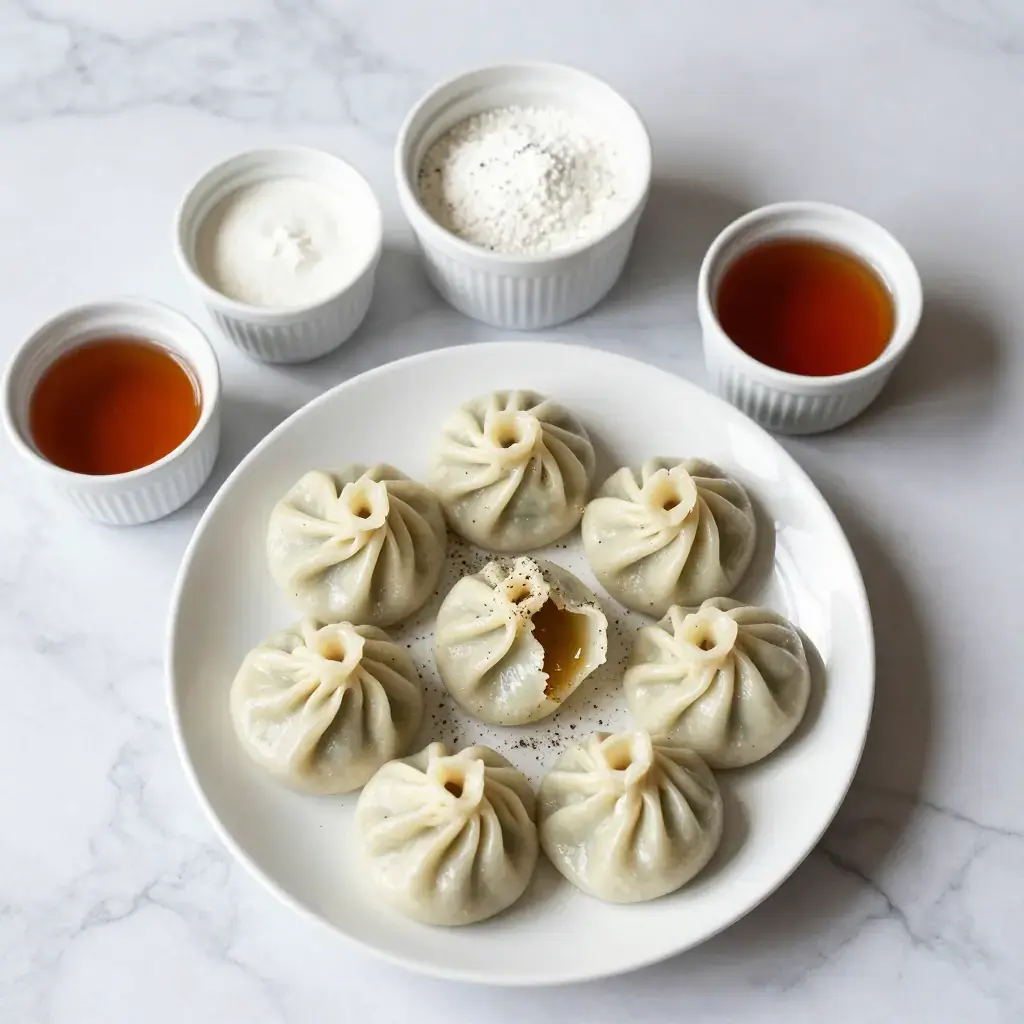
Khinkali are Georgia's iconic soup dumplings, instantly recognizable by their pleated topknot — the kudi — which tradition says must have at least 18 folds. They originated in the mountain regions of Mtiuleti and Pshavi, where herders needed a portable, filling meal, and have since become Georgia's most beloved food. The filling of spiced meat and broth is the whole point: you pick up the dumpling by the knot, bite a small hole in the side, and drink the hot broth before eating the rest. The knot itself is left on the plate and counted as a score of how many you managed.
Serves: 4
Ingredients
Dough:
- 400g (3¼ cups) all-purpose flour, plus extra for dusting
- 200ml (¾ cup + 2 tbsp) warm water
- 1 tsp salt
- 1 tbsp neutral oil
Filling:
- 350g (12 oz) ground lamb (or a mix of lamb and beef)
- 1 medium onion, very finely grated
- 100ml (⅓ cup + 1 tbsp) cold water or lamb broth
- 1 tsp ground coriander
- ½ tsp ground cumin
- ½ tsp red pepper flakes
- ½ tsp black pepper
- 1 tsp salt
- Small handful of fresh coriander, finely chopped
Instructions
- Make the dough: combine flour, salt, oil, and warm water and knead for 8–10 minutes until smooth and elastic. Wrap and rest for 30 minutes.
- Make the filling: mix all filling ingredients together, adding the cold water gradually — the mixture should be quite wet and loose, almost a slurry. This liquid becomes the internal broth.
- Roll the dough out thinly on a floured surface to about 3mm (⅛ in). Cut circles 12–13cm (5 in) in diameter.
- Place 1 heaped tablespoon of filling in the center of each circle. Gather the edges and pleat tightly around the filling, pinching and twisting to seal into a firm topknot. Aim for 18+ pleats.
- Bring a large pot of well-salted water to a rolling boil. Cook khinkali in batches for 12–14 minutes — they will float and the dough should lose its raw flour look. Lift out with a slotted spoon.
- Serve immediately on a plate dusted with black pepper. Do not add sauce — eat by hand.
Cook's Notes: The wetter the filling, the more broth inside — do not be tempted to drain it. Practice the pleating: a tight seal prevents the precious broth from leaking during cooking.
All Revisions
generated
# Khinkali Khinkali are Georgia's iconic soup dumplings, instantly recognizable by their pleated topknot — the kudi — which tradition says must have at least 18 folds. They originated in the mountain regions of Mtiuleti and Pshavi, where herders needed a portable, filling meal, and have since become Georgia's most beloved food. The filling of spiced meat and broth is the whole point: you pick up the dumpling by the knot, bite a small hole in the side, and drink the hot broth before eating the rest. The knot itself is left on the plate and counted as a score of how many you managed. Serves: 4 ## Ingredients **Dough:** - 400g (3¼ cups) all-purpose flour, plus extra for dusting - 200ml (¾ cup + 2 tbsp) warm water - 1 tsp salt - 1 tbsp neutral oil **Filling:** - 350g (12 oz) ground lamb (or a mix of lamb and beef) - 1 medium onion, very finely grated - 100ml (⅓ cup + 1 tbsp) cold water or lamb broth - 1 tsp ground coriander - ½ tsp ground cumin - ½ tsp red pepper flakes - ½ tsp black pepper - 1 tsp salt - Small handful of fresh coriander, finely chopped ## Instructions 1. Make the dough: combine flour, salt, oil, and warm water and knead for 8–10 minutes until smooth and elastic. Wrap and rest for 30 minutes. 2. Make the filling: mix all filling ingredients together, adding the cold water gradually — the mixture should be quite wet and loose, almost a slurry. This liquid becomes the internal broth. 3. Roll the dough out thinly on a floured surface to about 3mm (⅛ in). Cut circles 12–13cm (5 in) in diameter. 4. Place 1 heaped tablespoon of filling in the center of each circle. Gather the edges and pleat tightly around the filling, pinching and twisting to seal into a firm topknot. Aim for 18+ pleats. 5. Bring a large pot of well-salted water to a rolling boil. Cook khinkali in batches for 12–14 minutes — they will float and the dough should lose its raw flour look. Lift out with a slotted spoon. 6. Serve immediately on a plate dusted with black pepper. Do not add sauce — eat by hand. **Cook's Notes:** The wetter the filling, the more broth inside — do not be tempted to drain it. Practice the pleating: a tight seal prevents the precious broth from leaking during cooking.Images
Tags
- authentic
- comfort-food
- dairy-free
- dinner
- from-input
- georgian
- weekend-project