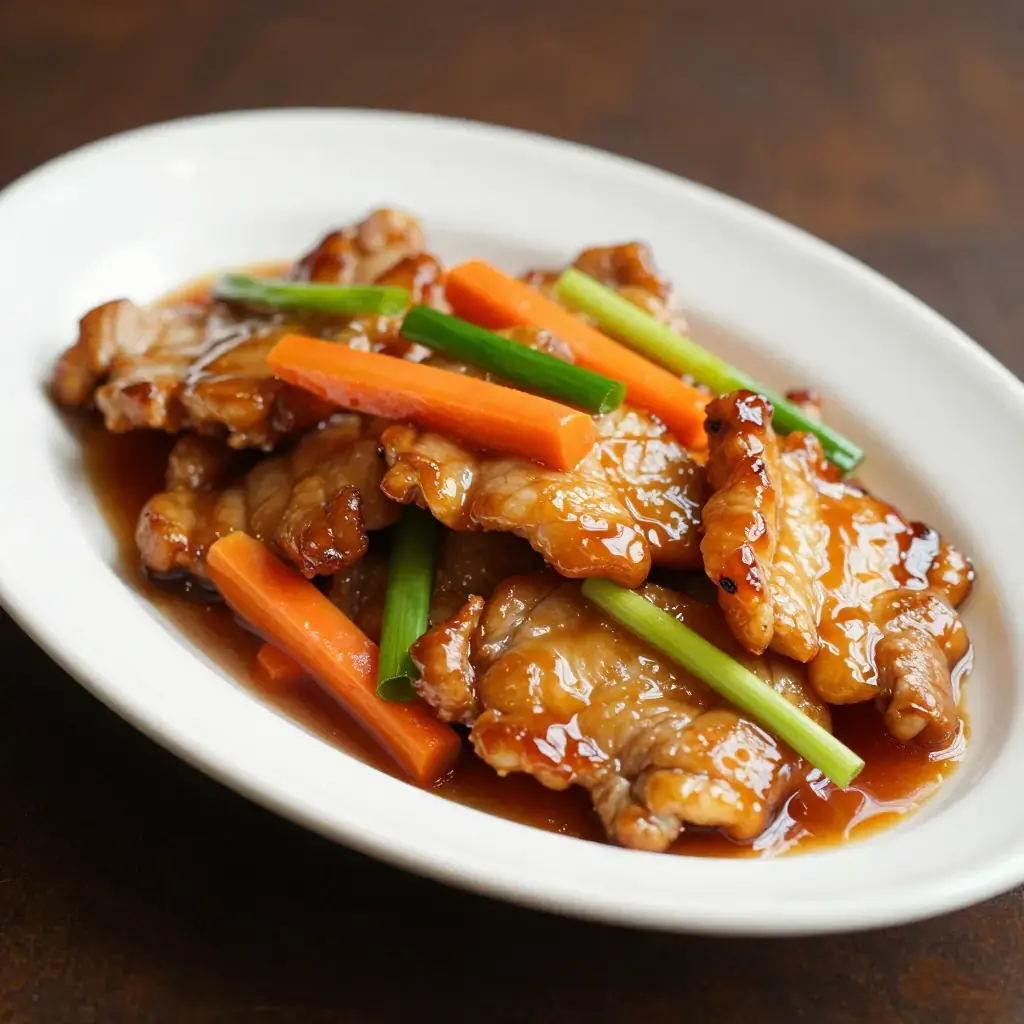
Guo Bao Rou
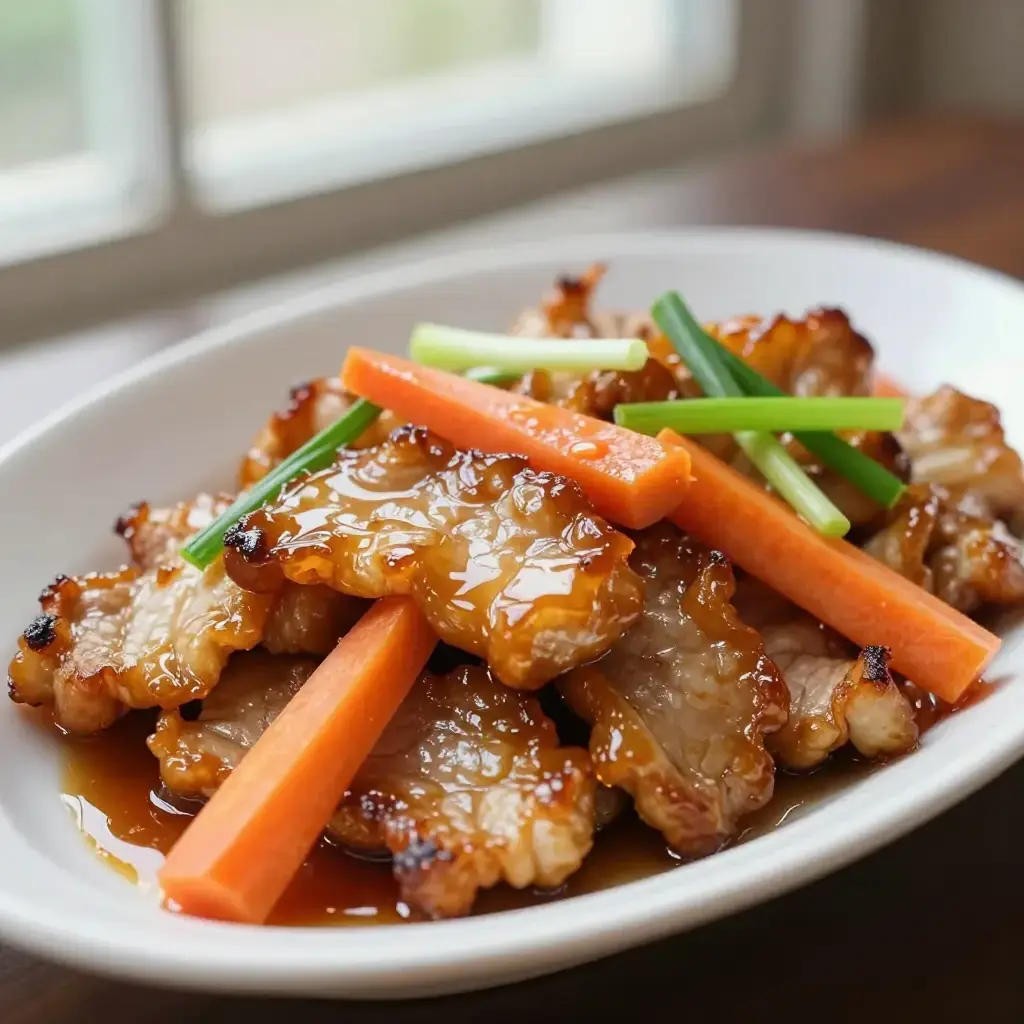
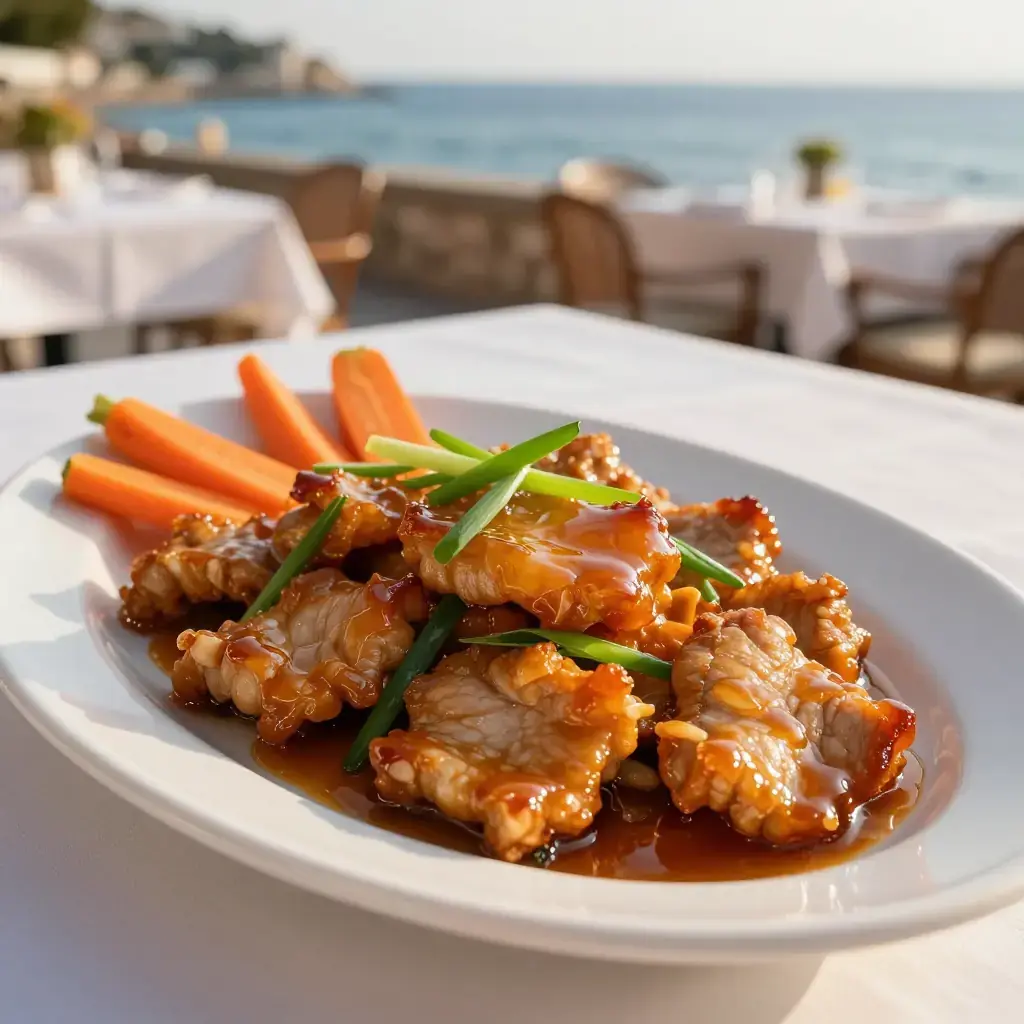
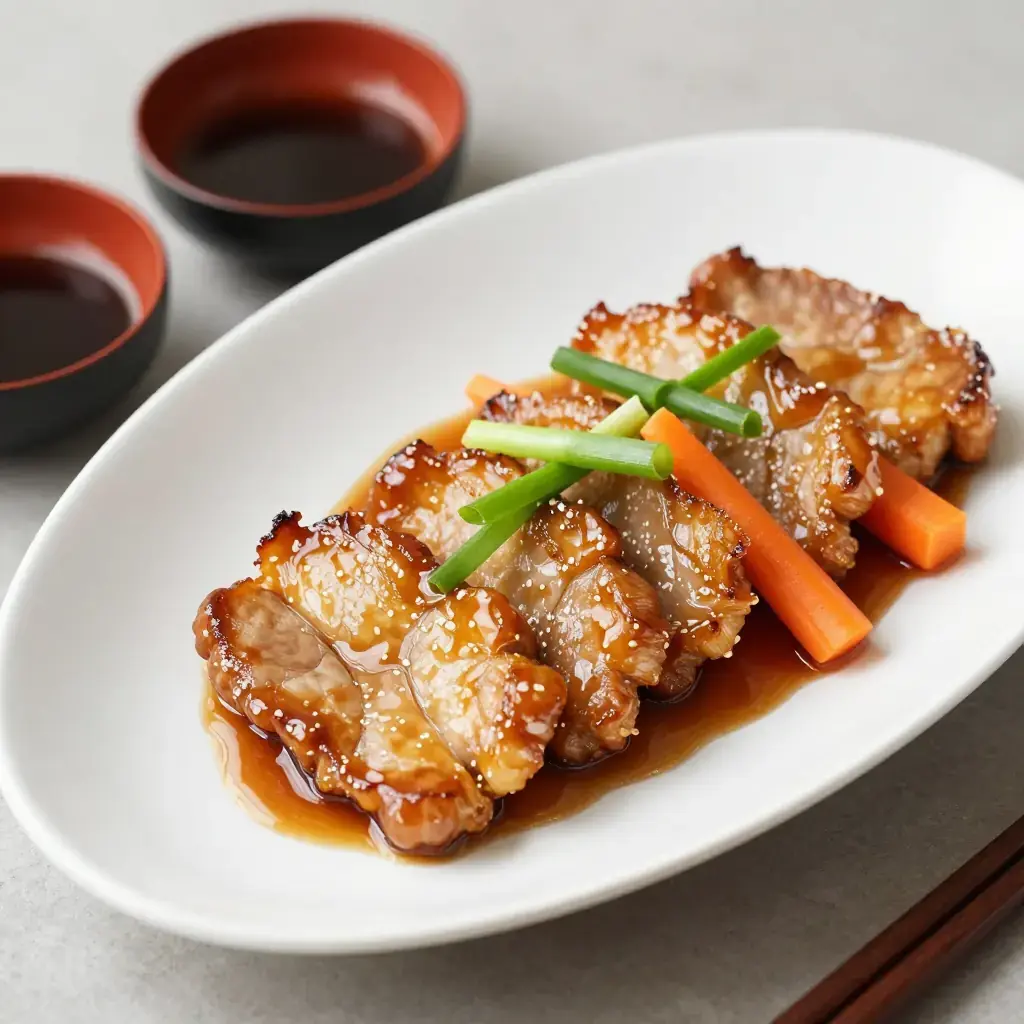
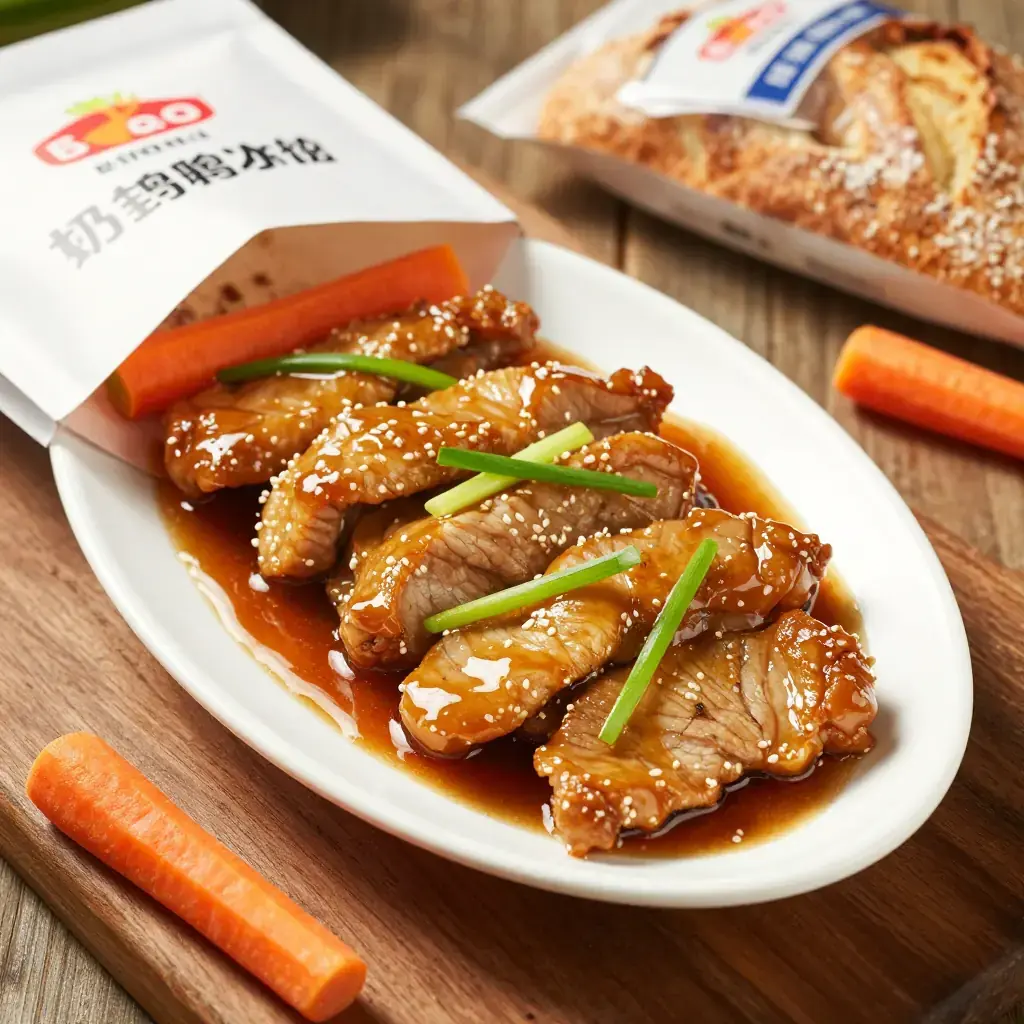
Guo Bao Rou is the pride of Dongbei (Northeast Chinese) cooking — a dish invented in Harbin in the late Qing dynasty by chef Zheng Xingwen for foreign diplomats who preferred sweet-sour flavors over spice. Thick slices of pork tenderloin are coated in a potato starch crust, fried twice to a shattering crisp, then tossed in a bright, tangy sweet-and-sour glaze. The dish is a masterclass in texture contrast: the crust stays crunchy even after saucing, which distinguishes it from its Cantonese sweet-and-sour cousins.
Serves: 4
Ingredients
- 500g (1 lb) pork tenderloin, sliced 5mm (¼ in) thick
- 120g (1 cup) potato starch
- Oil for deep frying
- 3 tbsp rice vinegar
- 3 tbsp sugar
- 1 tbsp light soy sauce
- 1 tbsp tomato ketchup
- 1 tsp sesame oil
- 3 cloves garlic, thinly sliced
- 5cm (2 in) piece fresh ginger, cut into fine matchsticks
- 2 spring onions, cut into 4cm (1½ in) lengths
- 1 small carrot, cut into fine matchsticks
- Fresh coriander (cilantro) leaves to garnish
Instructions
- Lightly score each pork slice with a crosshatch pattern to prevent curling. Season with a pinch of salt and let rest 10 minutes.
- Dredge the pork in potato starch, pressing firmly so it adheres. Shake off excess.
- Heat oil in a wok to 170°C (340°F). Deep-fry the pork slices in batches for 3–4 minutes until pale golden. Drain.
- Raise oil temperature to 200°C (390°F). Return pork to the wok for a second fry of 1–2 minutes until deeply golden and very crisp. Drain and set aside.
- Combine vinegar, sugar, soy sauce, and ketchup in a small bowl. Stir until sugar dissolves.
- Drain all but 1 tbsp oil from wok. Over high heat, stir-fry garlic, ginger, and carrot for 30 seconds. Pour in sauce and let it bubble for 1 minute.
- Add spring onions and fried pork. Toss rapidly for 30 seconds to coat. Drizzle with sesame oil.
- Plate immediately and garnish with coriander.
Cook's Notes: Potato starch (not cornstarch) is the key to the characteristic thick, glassy crust. The double-fry is non-negotiable for texture. Serve immediately — the crust loses its snap within minutes of plating.
All Revisions
generated
# Guo Bao Rou Guo Bao Rou is the pride of Dongbei (Northeast Chinese) cooking — a dish invented in Harbin in the late Qing dynasty by chef Zheng Xingwen for foreign diplomats who preferred sweet-sour flavors over spice. Thick slices of pork tenderloin are coated in a potato starch crust, fried twice to a shattering crisp, then tossed in a bright, tangy sweet-and-sour glaze. The dish is a masterclass in texture contrast: the crust stays crunchy even after saucing, which distinguishes it from its Cantonese sweet-and-sour cousins. Serves: 4 ## Ingredients - 500g (1 lb) pork tenderloin, sliced 5mm (¼ in) thick - 120g (1 cup) potato starch - Oil for deep frying - 3 tbsp rice vinegar - 3 tbsp sugar - 1 tbsp light soy sauce - 1 tbsp tomato ketchup - 1 tsp sesame oil - 3 cloves garlic, thinly sliced - 5cm (2 in) piece fresh ginger, cut into fine matchsticks - 2 spring onions, cut into 4cm (1½ in) lengths - 1 small carrot, cut into fine matchsticks - Fresh coriander (cilantro) leaves to garnish ## Instructions 1. Lightly score each pork slice with a crosshatch pattern to prevent curling. Season with a pinch of salt and let rest 10 minutes. 2. Dredge the pork in potato starch, pressing firmly so it adheres. Shake off excess. 3. Heat oil in a wok to 170°C (340°F). Deep-fry the pork slices in batches for 3–4 minutes until pale golden. Drain. 4. Raise oil temperature to 200°C (390°F). Return pork to the wok for a second fry of 1–2 minutes until deeply golden and very crisp. Drain and set aside. 5. Combine vinegar, sugar, soy sauce, and ketchup in a small bowl. Stir until sugar dissolves. 6. Drain all but 1 tbsp oil from wok. Over high heat, stir-fry garlic, ginger, and carrot for 30 seconds. Pour in sauce and let it bubble for 1 minute. 7. Add spring onions and fried pork. Toss rapidly for 30 seconds to coat. Drizzle with sesame oil. 8. Plate immediately and garnish with coriander. **Cook's Notes:** Potato starch (not cornstarch) is the key to the characteristic thick, glassy crust. The double-fry is non-negotiable for texture. Serve immediately — the crust loses its snap within minutes of plating.Images
Tags
- authentic
- deep-fried
- dinner
- dongbei
- from-input
- historical
- stir-fried