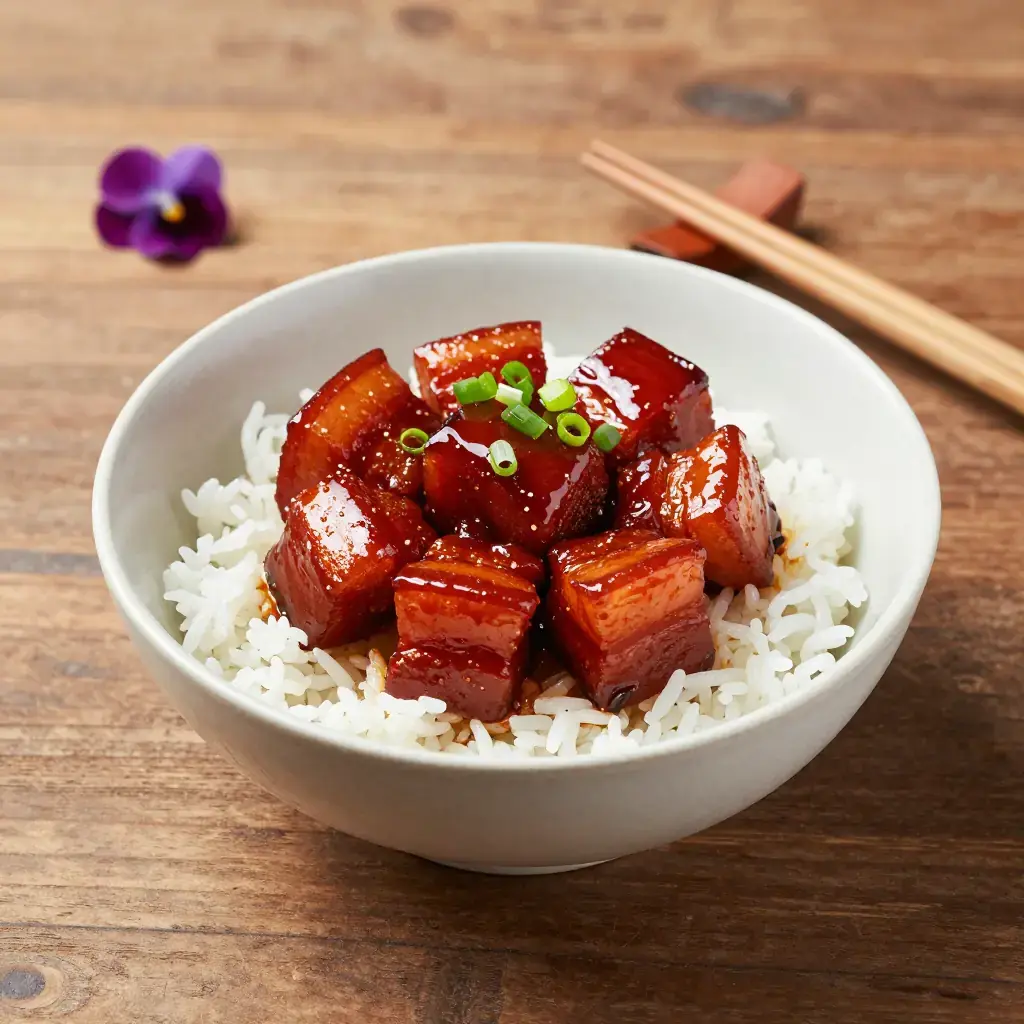
Red-Braised Pork Belly (Dongbei Hongshao Rou)
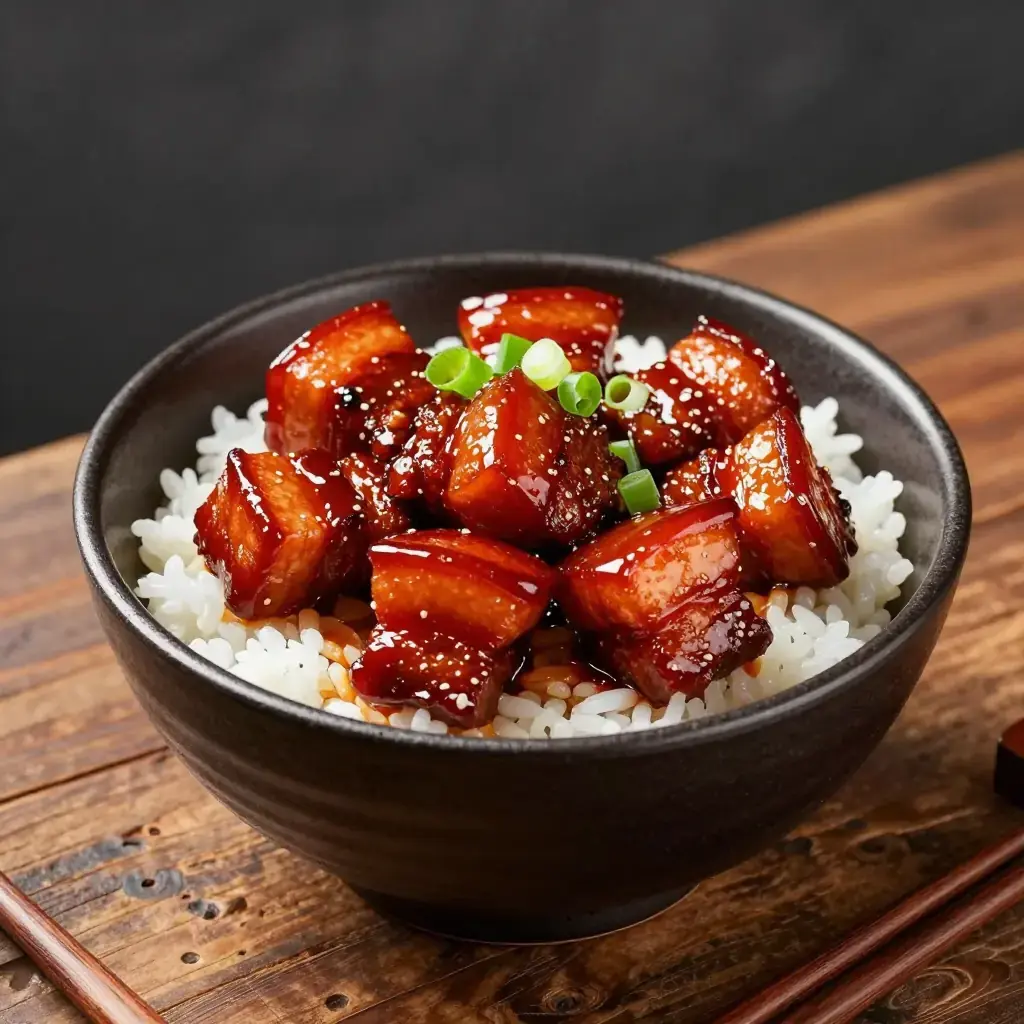
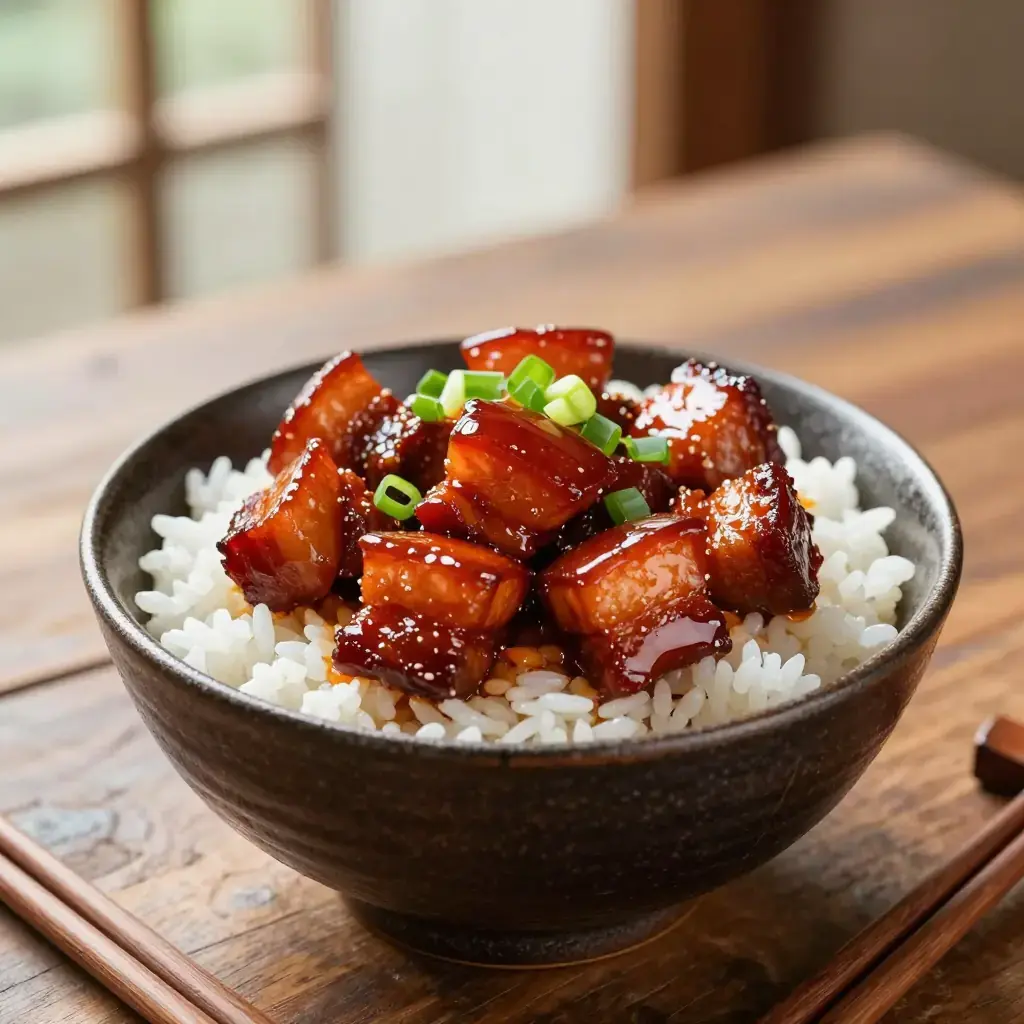
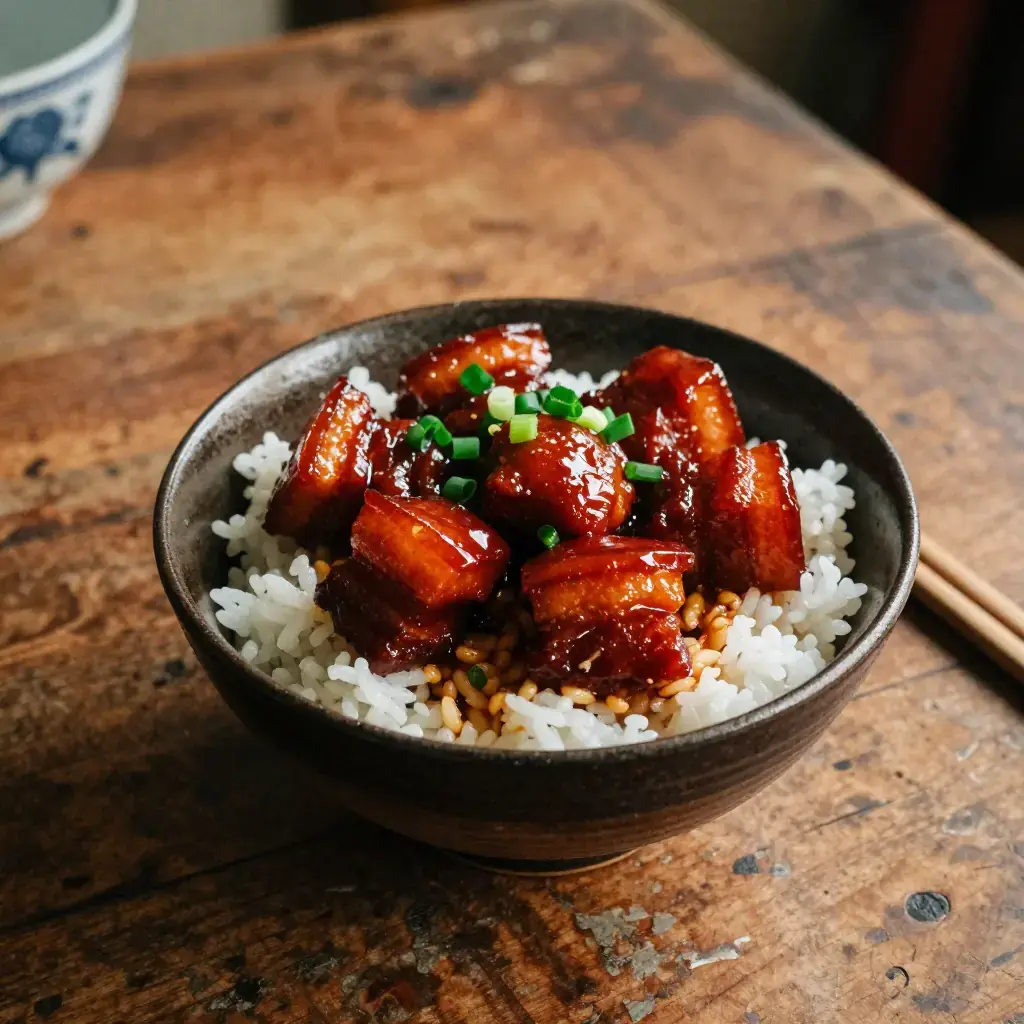
Dongbei cuisine — the cooking of China's vast northeastern provinces of Heilongjiang, Jilin, and Liaoning — is built for survival in brutal winters. Portions are enormous, flavors are forthright, and fat is celebrated. This red-braised pork belly is the region's answer to Shanghai hongshao rou, but bolder: more soy, more sugar, a heavier hand with star anise and fermented bean paste. The dish appears on every home table from Harbin to Shenyang come the first frost, spooned over white rice to anchor a meal that can last hours. Dongbei cooking carries a historical thread of Manchu, Korean, and Russian influence that makes it genuinely distinct from any other Chinese regional tradition.
Serves: 4
Ingredients
- 800 g (1 lb 12 oz) skin-on pork belly, cut into 4 cm (1½ in) cubes
- 3 tbsp neutral oil
- 3 tbsp dark soy sauce
- 2 tbsp light soy sauce
- 2 tbsp Shaoxing rice wine
- 2 tbsp doubanjiang (fermented broad-bean paste)
- 3 tbsp rock sugar (or brown sugar)
- 4 whole star anise
- 1 cinnamon stick
- 4 dried chillies
- 6 garlic cloves, smashed
- 4 slices fresh ginger
- 500 ml (2 cups) water or unsalted pork stock
- 3 spring onions, tied in a knot
Instructions
- Blanch the pork belly: place cubes in a cold pot, cover with cold water, and bring to a boil over high heat. Boil 5 minutes, skimming foam. Drain and pat dry with paper towel.
- Heat oil in a wide heavy pot or Dutch oven over medium-high heat. Add rock sugar and stir constantly for about 2 minutes until it melts to a deep amber caramel — watch closely to avoid burning.
- Add the blanched pork in a single layer and toss to coat in the caramel, about 1 minute. The pieces will hiss and spit; keep the heat high.
- Add doubanjiang and stir-fry 1 minute until fragrant and the paste darkens slightly.
- Pour in both soy sauces and Shaoxing wine. Add star anise, cinnamon, dried chillies, garlic, ginger, spring onions, and enough water or stock to barely cover the pork.
- Bring to a boil, then reduce heat to the lowest setting. Cover tightly and braise 90 minutes, turning the pork every 30 minutes.
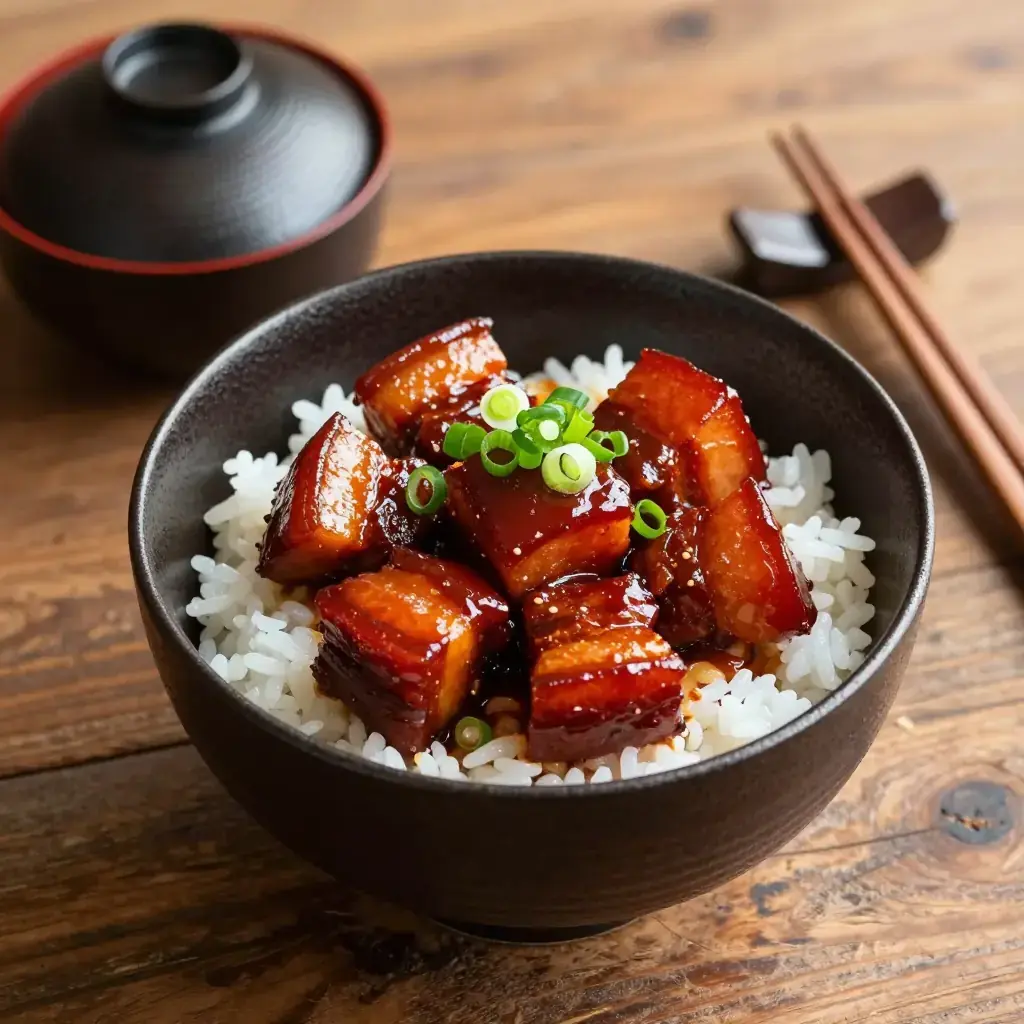
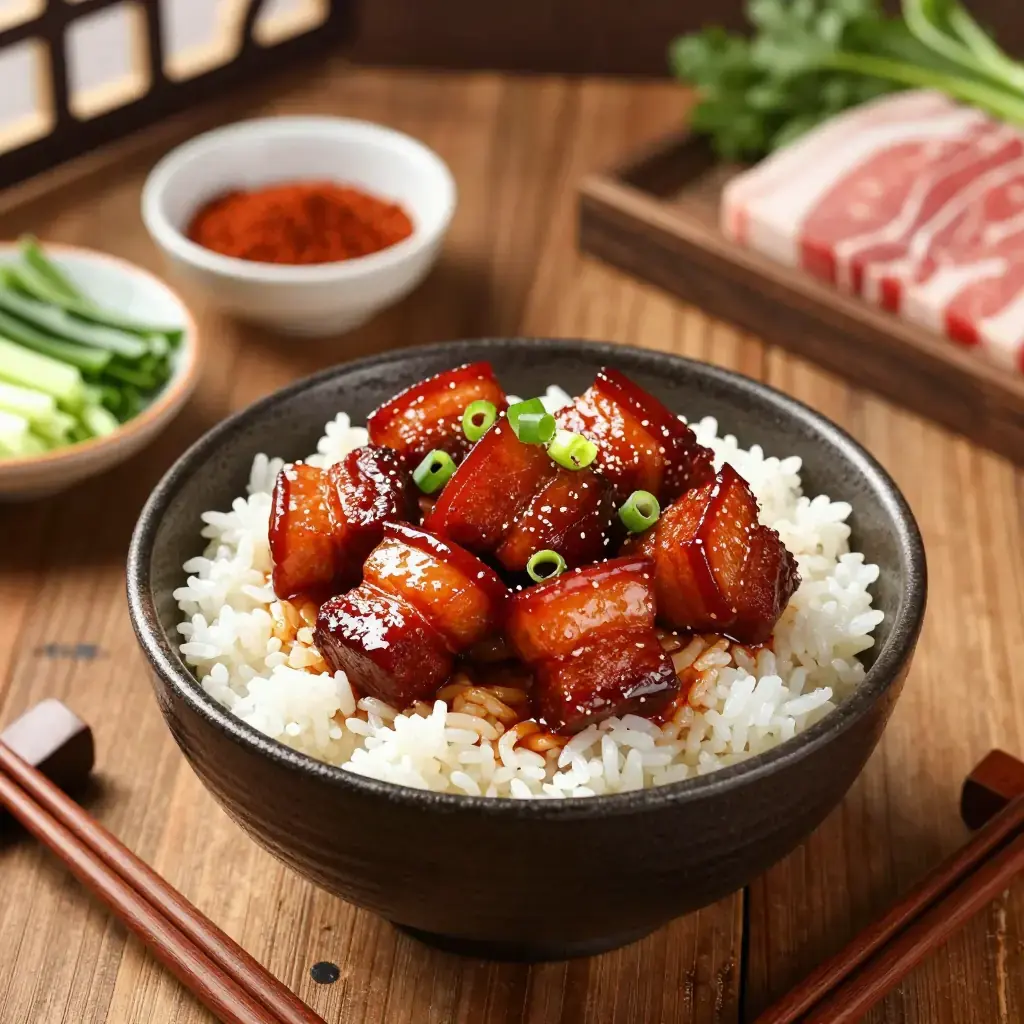
- Remove the lid and increase heat to medium. Reduce the braising liquid for 10–15 minutes, turning the pork frequently, until the sauce thickens to a glossy, clingy glaze.
- Discard the whole spices and spring onions. Serve immediately over steamed white rice.
Cook's Notes: Dongbei cooks often add a handful of dried wood-ear mushrooms in step 5 — they soak up the braising liquid beautifully. The dish improves dramatically the next day once refrigerated overnight; skim the solidified fat before reheating. Doubanjiang varies in saltiness by brand, so taste before adding any extra soy sauce.
All Revisions
generated
# Red-Braised Pork Belly (Dongbei Hongshao Rou) Dongbei cuisine — the cooking of China's vast northeastern provinces of Heilongjiang, Jilin, and Liaoning — is built for survival in brutal winters. Portions are enormous, flavors are forthright, and fat is celebrated. This red-braised pork belly is the region's answer to Shanghai hongshao rou, but bolder: more soy, more sugar, a heavier hand with star anise and fermented bean paste. The dish appears on every home table from Harbin to Shenyang come the first frost, spooned over white rice to anchor a meal that can last hours. Dongbei cooking carries a historical thread of Manchu, Korean, and Russian influence that makes it genuinely distinct from any other Chinese regional tradition. Serves: 4 ## Ingredients - 800 g (1 lb 12 oz) skin-on pork belly, cut into 4 cm (1½ in) cubes - 3 tbsp neutral oil - 3 tbsp dark soy sauce - 2 tbsp light soy sauce - 2 tbsp Shaoxing rice wine - 2 tbsp doubanjiang (fermented broad-bean paste) - 3 tbsp rock sugar (or brown sugar) - 4 whole star anise - 1 cinnamon stick - 4 dried chillies - 6 garlic cloves, smashed - 4 slices fresh ginger - 500 ml (2 cups) water or unsalted pork stock - 3 spring onions, tied in a knot ## Instructions 1. Blanch the pork belly: place cubes in a cold pot, cover with cold water, and bring to a boil over high heat. Boil 5 minutes, skimming foam. Drain and pat dry with paper towel. 2. Heat oil in a wide heavy pot or Dutch oven over medium-high heat. Add rock sugar and stir constantly for about 2 minutes until it melts to a deep amber caramel — watch closely to avoid burning. 3. Add the blanched pork in a single layer and toss to coat in the caramel, about 1 minute. The pieces will hiss and spit; keep the heat high. 4. Add doubanjiang and stir-fry 1 minute until fragrant and the paste darkens slightly. 5. Pour in both soy sauces and Shaoxing wine. Add star anise, cinnamon, dried chillies, garlic, ginger, spring onions, and enough water or stock to barely cover the pork. 6. Bring to a boil, then reduce heat to the lowest setting. Cover tightly and braise 90 minutes, turning the pork every 30 minutes. 7. Remove the lid and increase heat to medium. Reduce the braising liquid for 10–15 minutes, turning the pork frequently, until the sauce thickens to a glossy, clingy glaze. 8. Discard the whole spices and spring onions. Serve immediately over steamed white rice. **Cook's Notes:** Dongbei cooks often add a handful of dried wood-ear mushrooms in step 5 — they soak up the braising liquid beautifully. The dish improves dramatically the next day once refrigerated overnight; skim the solidified fat before reheating. Doubanjiang varies in saltiness by brand, so taste before adding any extra soy sauce.Images
Tags
- authentic
- braised
- comfort-food
- dinner
- dongbei
- from-input
- indulgent
- winter