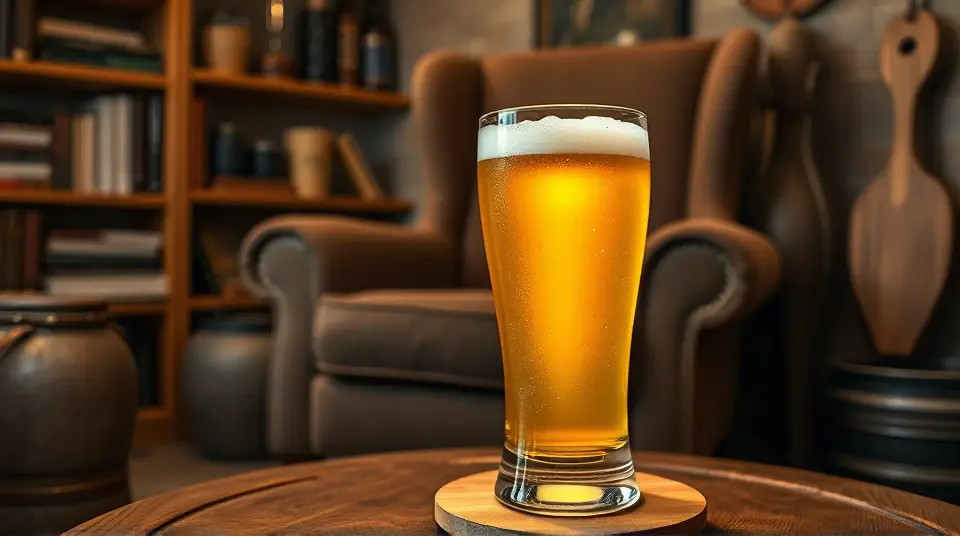
Brew Your Own Lager at Home 🍻✨
Brewing your own lager can be a rewarding and flavorful experience. With its crisp and refreshing taste, a homemade lager is perfect for any celebration or a casual evening at home. The process takes some patience, but the end result is worth the wait! Get creative with your favorite hops and malts, and enjoy a rich brewing adventure.
Ingredients
For the wort
- 6.6 lbs (3 kg) of pale liquid malt extract
- 1 lb (0.45 kg) of Munich malt
- 1 lb (0.45 kg) of Carapils malt
- 1 oz (28 g) of Hallertau hops (bittering)
- 1 oz (28 g) of Saaz hops (flavor/aroma)
- 1/2 cup of corn sugar (for bottling)
For fermentation
- 1 packet of lager yeast (such as Saflager W-34/70)
- Water (distilled or bottled, approx. 5 gallons)
Equipment Needed
- Brew kettle (at least 5 gallons)
- Fermentation bucket with airlock
- Sanitizer (like Star San)
- Hydrometer
- Bottles and caps
- Bottle capper
Instructions
Step 1: Sanitize, Sanitize, Sanitize! 🧼
- Start by cleaning and sanitizing all your equipment. This is crucial to avoid any unwanted bacteria or wild yeast in your brew.
Step 2: Brew the Wort 🍲
- In a large brew kettle, heat 3 gallons (11.4 liters) of water to about 160°F (71°C).
- Add the Munich and Carapils malts to a grain bag and steep them in the heated water for 20 minutes. Remove the grain bag and let it drain into the kettle.
- Bring the wort to a boil, then remove it from heat. Stir in the liquid malt extract until it completely dissolves.
- Return to heat and bring to a boil. Add the Hallertau hops and boil for 60 minutes. Add the Saaz hops in the last 15 minutes of the boil for flavor and aroma.
🌟 Remember to keep an eye on it to prevent boil-overs! A boil-over can create quite a mess.
Step 3: Chill the Wort ❄️
- After 60 minutes, quickly cool the wort down to about 65°F (18°C) using an immersion chiller or an ice bath.
Step 4: Fermentation Time ⏳
- Transfer the cooled wort into your fermentation bucket and top it up with additional water until you reach the 5-gallon mark.
- Pitch the lager yeast into the wort and seal the fermentation bucket with the airlock.
- Store the fermentation bucket in a cool, dark place for about 2-3 weeks. The optimal fermentation temperature for lager yeast is around 50°F (10°C) for cleaner flavors.
Step 5: Bottling Your Lager 🍾
- After fermentation is complete, prepare a solution of corn sugar and water (about 2 cups) to create carbonation and boil it for 5 minutes to sanitize.
- Add the cooled corn sugar solution to the fermentation bucket. Reduce splashing to avoid oxidation.
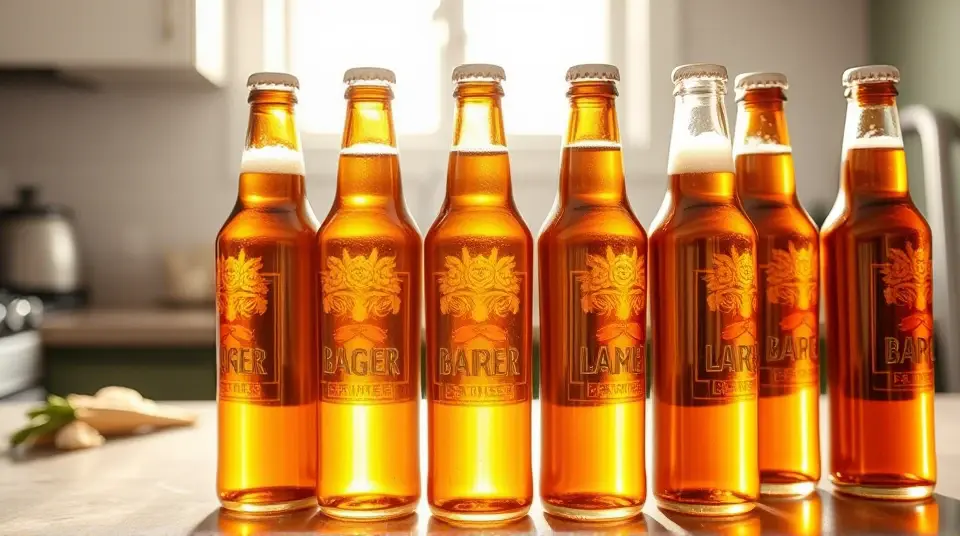
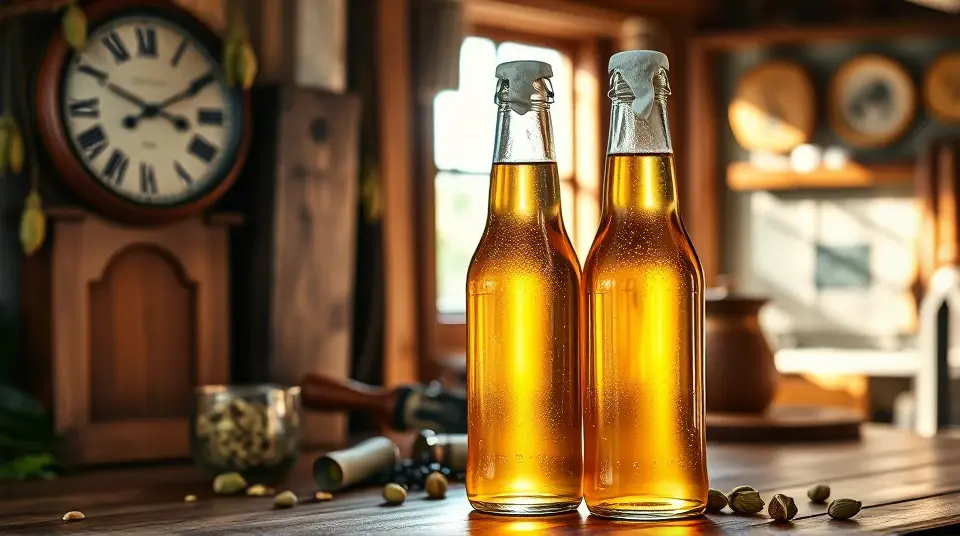
- Transfer the beer into sanitized bottles, leaving about an inch of headspace at the top. Cap the bottles securely.
Step 6: Carbonating 🥤
- Let the bottles sit at room temperature for about 1-2 weeks for carbonation to develop, then cool them in the fridge.
Step 7: Enjoy! 🎉
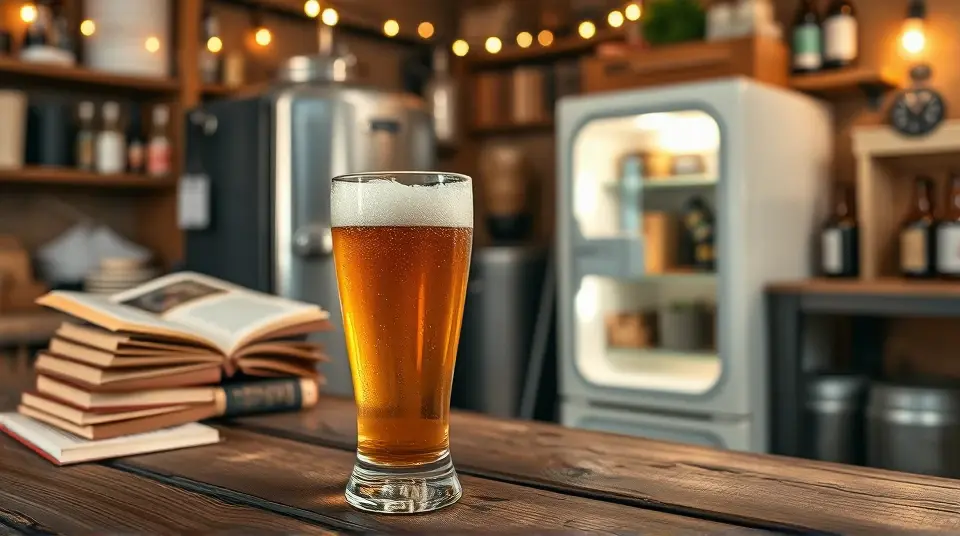
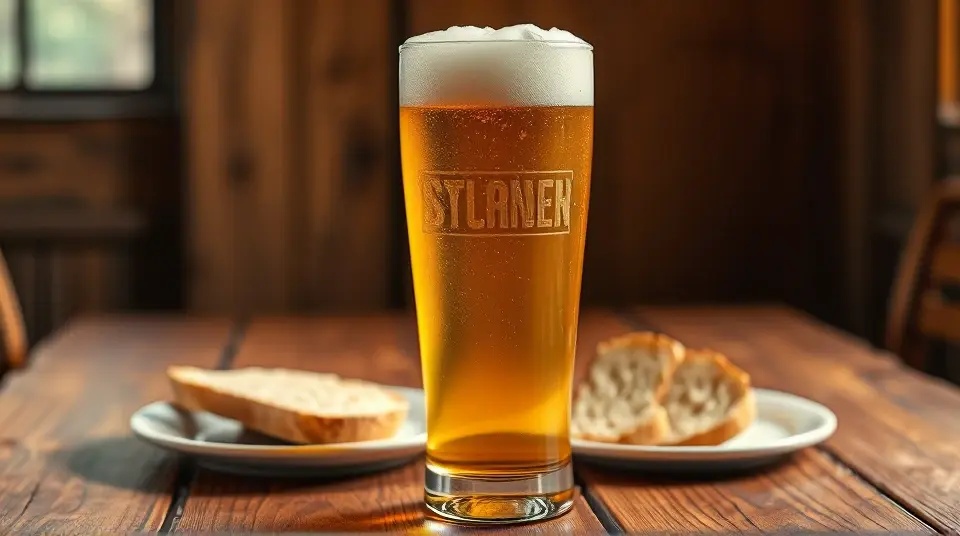
- Your homemade lager is ready to drink! Pour it into a glass, enjoy the clarity and colors of your brew, and share it with friends and family.
Variations
- Hoppy Lager: Experiment with different hop varieties during the boil for a more aromatic profile. Consider adding a dry hop addition during fermentation.
- Fruit Lager: After fermentation, consider adding pureed fruit (like peaches or cherries) into the beer for a unique twist.
- Dark Lager: Use darker malts (like Munich or Vienna) for a richer flavor and deeper color.
- Session Lager: Reduce the malt extract to 4.5 lbs and the hop quantities slightly for a lighter sessionable version.
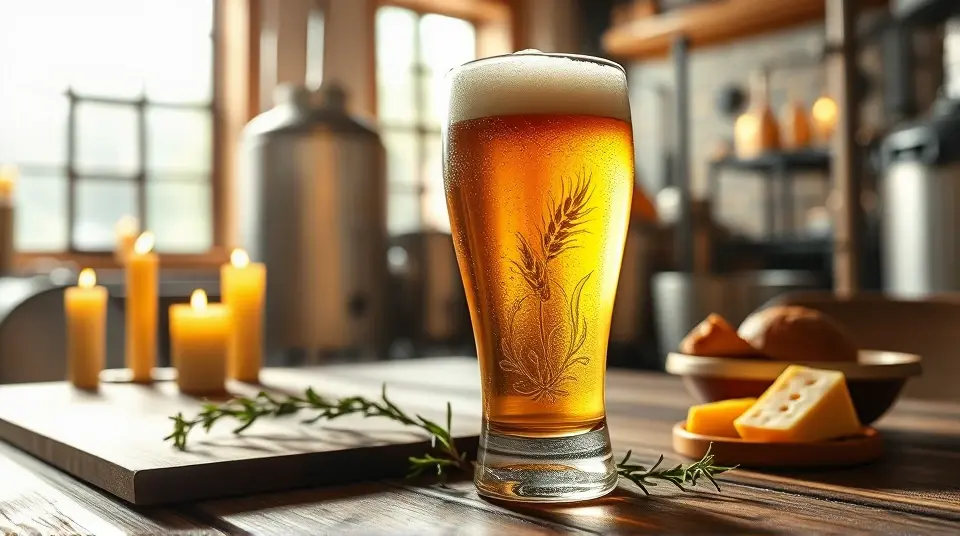
🥳 Enjoying your homemade lager doesn’t just stop at tasting. Consider flavoring it further by pairing it with your favorite cheeses or BBQ dishes!
Brewing lager at home is all about patience, creativity, and enjoyment. Cheers to your brewing journey! 🍺
All Revisions
name
Brewing your own Lager at Homellm
# Brew Your Own Lager at Home 🍻✨ Brewing your own lager can be a rewarding and flavorful experience. With its crisp and refreshing taste, a homemade lager is perfect for any celebration or a casual evening at home. The process takes some patience, but the end result is worth the wait! Get creative with your favorite hops and malts, and enjoy a rich brewing adventure. ## Ingredients ### For the wort - 6.6 lbs (3 kg) of pale liquid malt extract - 1 lb (0.45 kg) of Munich malt - 1 lb (0.45 kg) of Carapils malt - 1 oz (28 g) of Hallertau hops (bittering) - 1 oz (28 g) of Saaz hops (flavor/aroma) - 1/2 cup of corn sugar (for bottling) ### For fermentation - 1 packet of lager yeast (such as Saflager W-34/70) - Water (distilled or bottled, approx. 5 gallons) ## Equipment Needed - Brew kettle (at least 5 gallons) - Fermentation bucket with airlock - Sanitizer (like Star San) - Hydrometer - Bottles and caps - Bottle capper ## Instructions ### Step 1: Sanitize, Sanitize, Sanitize! 🧼 - Start by cleaning and sanitizing all your equipment. This is crucial to avoid any unwanted bacteria or wild yeast in your brew. ### Step 2: Brew the Wort 🍲 1. In a large brew kettle, heat 3 gallons (11.4 liters) of water to about 160°F (71°C). 2. Add the Munich and Carapils malts to a grain bag and steep them in the heated water for 20 minutes. Remove the grain bag and let it drain into the kettle. 3. Bring the wort to a boil, then remove it from heat. Stir in the liquid malt extract until it completely dissolves. 4. Return to heat and bring to a boil. Add the Hallertau hops and boil for 60 minutes. Add the Saaz hops in the last 15 minutes of the boil for flavor and aroma. > 🌟 Remember to keep an eye on it to prevent boil-overs! A boil-over can create quite a mess. ### Step 3: Chill the Wort ❄️ - After 60 minutes, quickly cool the wort down to about 65°F (18°C) using an immersion chiller or an ice bath. ### Step 4: Fermentation Time ⏳ 1. Transfer the cooled wort into your fermentation bucket and top it up with additional water until you reach the 5-gallon mark. 2. Pitch the lager yeast into the wort and seal the fermentation bucket with the airlock. 3. Store the fermentation bucket in a cool, dark place for about 2-3 weeks. The optimal fermentation temperature for lager yeast is around 50°F (10°C) for cleaner flavors. ### Step 5: Bottling Your Lager 🍾 1. After fermentation is complete, prepare a solution of corn sugar and water (about 2 cups) to create carbonation and boil it for 5 minutes to sanitize. 2. Add the cooled corn sugar solution to the fermentation bucket. Reduce splashing to avoid oxidation. 3. Transfer the beer into sanitized bottles, leaving about an inch of headspace at the top. Cap the bottles securely. ### Step 6: Carbonating 🥤 - Let the bottles sit at room temperature for about 1-2 weeks for carbonation to develop, then cool them in the fridge. ### Step 7: Enjoy! 🎉 - Your homemade lager is ready to drink! Pour it into a glass, enjoy the clarity and colors of your brew, and share it with friends and family. ## Variations - **Hoppy Lager**: Experiment with different hop varieties during the boil for a more aromatic profile. Consider adding a dry hop addition during fermentation. - **Fruit Lager**: After fermentation, consider adding pureed fruit (like peaches or cherries) into the beer for a unique twist. - **Dark Lager**: Use darker malts (like Munich or Vienna) for a richer flavor and deeper color. - **Session Lager**: Reduce the malt extract to 4.5 lbs and the hop quantities slightly for a lighter sessionable version. > 🥳 Enjoying your homemade lager doesn’t just stop at tasting. Consider flavoring it further by pairing it with your favorite cheeses or BBQ dishes! Brewing lager at home is all about patience, creativity, and enjoyment. Cheers to your brewing journey! 🍺Images
Tags
- dairy-free
- fermented
- from-input
- multi-day
- nut-free
- vegan
- weekend-project