Browned butter has become the sort of thing that makes pastry chefs sound reverent. Golden. Nutty. Sophisticated. It's deserved reverence, but only if you understand what you're actually doing to the butter, and why it matters for some applications and not others.
What Happens When Butter Browns
Butter is roughly eighty percent fat and fifteen percent water, with milk solids making up the remainder. When you heat butter, the water starts to evaporate almost immediately. As the temperature rises past boiling, those milk solids begin to break down. The lactose and proteins undergo the Maillard reaction — the same browning process that creates the crust on bread, the color in caramel, and the complexity in roasted coffee.
Maillard requires three things: protein, sugar, and heat. Butter has protein (milk solids) and lactose (a sugar). Heat is what you provide. The result is a cascade of new flavor compounds: pyrazines and thiazoles and aldehydes that don't exist in regular butter. This is why browned butter tastes nutty. It's also why it smells immediately recognizable and why people get excited about it.
But here's the part that matters for baking: those milk solids are also separating from the fat. They're becoming denser and sinking to the bottom. By the time butter is properly browned — when it's deep golden and smells intensely nutty — those solids are sitting at the bottom of the pan, visibly separated from the clear golden fat on top.
Why This Matters for Different Applications
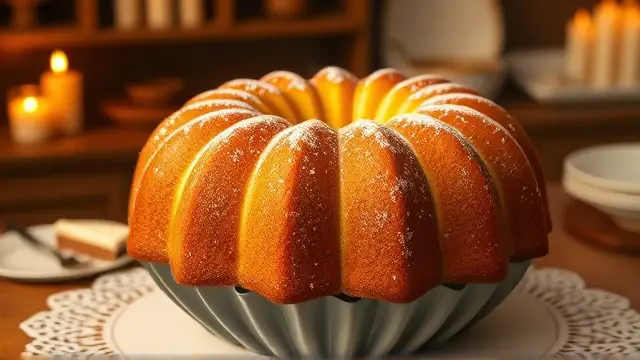
In a cookie or quick bread where you're creaming butter and sugar, browned butter changes the texture. The loss of water and the concentration of flavorful compounds mean you're working with a denser, less hydrating ingredient. The dough will be tighter. Some applications like this change. A browned butter sugar cookie or browned butter Pound Cake develops a different crumb structure — tighter, more tender, almost sandy. That's intentional and good.
In cake where you're folding egg whites into batter, browned butter is dangerous. You need the emulsifying power of the milk solids. When they're already broken down and separated, they can't do that work. The result is a cake that doesn't rise as well and breaks instead of folds. Skip browned butter for delicate batters.
For pastry cream and custards, browned butter adds flavor without affecting structure because you're not relying on the butter for emulsion. You're relying on eggs. Add browned butter at the end, after cooking, when you just want the flavor benefit. This is a classic use case and it works beautifully.
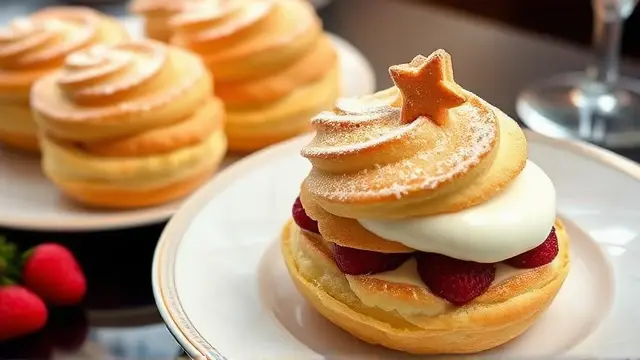
For Cream Puff Pastry, avoid browned butter entirely. Choux pastry is already temperamental. The emulsifying power of regular butter is part of why it works. Browned butter will disrupt the rise.
How to Know When It's Properly Browned
Color is the obvious indicator, but smell is more reliable. Regular butter smells... buttery, but mild. Browned butter smells aggressively nutty, almost like toasted hazelnuts. The milk solids at the bottom start as light brown specks and become darker, almost caramel-colored. This is the moment where you have maximum flavor without crossing into burnt. Burnt is bitter and acrid. Browned is nutty and complex. The difference is subtle but absolute.
Use medium-high heat. Butter can go from golden to burnt in seconds, especially in small quantities. Watch it. Listen for the milk solids popping and hissing. When the sound stops and the smell becomes intensely nutty, turn off the heat immediately.
Pour the butter into a separate container if you're not using it right away. It will continue cooking from residual heat if you leave it in the hot pan. If you're using it immediately, wait a minute for the violent sizzle to stop before adding it to your mixture. Dumping hot milk solids into cold dough can cause seizing.
The Temperature Details
Butter melts around 90°F. Water boils at 212°F. The milk solids start browning somewhere around 320°F, in the range where you see visible color but the solids haven't burnt yet. If your thermometer reads above 350°F, you're likely burnt. Pull it from heat immediately.
The time this takes depends on quantity. A tablespoon of butter might take ninety seconds. Two ounces might take four or five minutes. Larger quantities brown more slowly because the heat has to penetrate the mass, but once the solids start browning, they accelerate. Again: watch it.
Storage
Browned butter keeps in the refrigerator for up to two weeks. It will solidify as it cools. When you need it for a recipe, either use it warm or soften it at room temperature depending on what the recipe requires. Don't reheat it unless you're intentionally using it as a finishing flavor, like drizzling over vegetables. Reheating will darken it further and change the flavor from nutty to burnt.
When to Actually Use It
Use browned butter when the recipe is specifically asking for its flavor. Use it in cookies, cakes, and shortbread where a nuttier, more complex taste enhances the final product. Use it in pastry cream and custards where the flavor matters but the emulsion doesn't. Skip it in choux, in cake batters that rely on emulsion, and in anything where you need maximum leavening.
If a recipe doesn't mention browned butter, don't add it. It's a purposeful decision, not an automatic improvement. Browned butter is good because it's specific. Use it with intention.